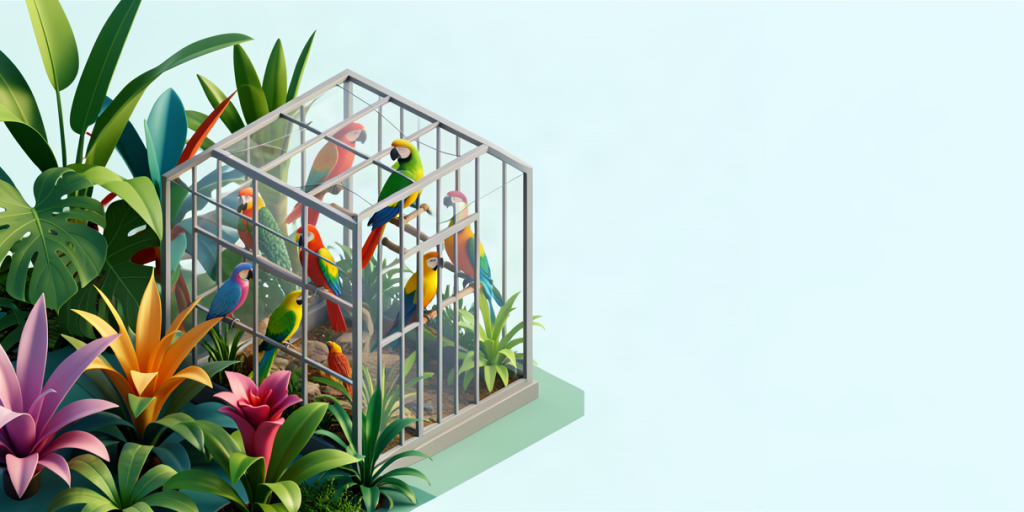
Exotic birds are becoming increasingly popular among pet lovers. Their bright plumage and unique behavior attract attention, but caring for exotic birds requires a special approach and knowledge. Unlike common pets like cats and dogs, exotics need specific conditions for housing and feeding, making their care not only an engaging but also a responsible task.
In this article, we will discuss the main features of caring for exotic birds, as well as provide useful recommendations that will help ensure your feathered friends enjoy a healthy and comfortable life. By learning how to choose the right cage, what to feed them, and how to create optimal living conditions, you can become a true expert in caring for your exotic pets.
Main Housing Conditions
Exotic birds require a special approach to their care, and one of the key aspects is maintaining optimal housing conditions. Temperature is of paramount importance: for most exotic species, a comfortable temperature ranges from +19 to +25 °C. If the room is colder, it can lead to serious health problems, including hypothermia. Therefore, it is essential to monitor the room temperature and avoid drafts that could negatively affect the birds’ well-being.
Furthermore, regular ventilation is an important condition for maintaining the health of exotic birds. It helps ensure access to fresh air and prevents the accumulation of harmful substances in the room. However, it is important to remember that drafts can be dangerous for birds, so it is better to ventilate the room when the birds are in another room or in an aviary. Cleanliness in their living environment also plays a significant role: regular cleaning helps prevent the development of bacteria and fungi, which is critical for the health of these feathered pets.
Natural lighting is another important aspect of caring for exotic birds. These pets need sufficient light to maintain normal metabolism and overall well-being. The ideal light day for many species can be up to 13 hours. However, it is necessary to protect birds from direct sunlight, as overly intense lighting can cause overheating and stress. Use curtains or filters to gently diffuse sunlight, avoiding direct exposure to the cage.
It is also important to consider humidity levels in the room. Exotic birds require adequate humidity, which helps maintain the health of their skin and feathers. It is important to provide opportunities for periodic bathing, which not only refreshes the birds but also contributes to their comfort and well-being.
Feeding Exotic Birds
Feeding exotic birds plays a key role in their health and well-being. To ensure a complete diet, it is important to include a variety of foods such as seeds, fruits, vegetables, and specialized feeds. Seeds form the basis of the diet for many species, but they should be varied to avoid deficiencies in essential nutrients. Fruits and vegetables are excellent sources of vitamins and minerals, which are particularly important for maintaining the birds’ immune systems and overall health.
It is essential to remember that the balance of vitamins and minerals in the diet of exotic birds is critically important. For example, a calcium deficiency can lead to serious problems, including bone diseases and reproductive issues. Therefore, it is recommended to add special supplements containing necessary trace elements to their diet. Pay attention to the content of vitamins A, D, and E, which support normal metabolism and the health of skin and feathers.
To enhance the diet of exotic birds, it is useful to periodically introduce new foods. This can be either a new type of fruit or vegetable or experimenting with different seed varieties. This approach not only enriches their diet but also helps identify your bird’s preferences, making feeding more enjoyable. However, any changes to the diet should be introduced gradually to avoid digestive upset.
It is also important to monitor the bird’s reaction to new foods. If you notice that the bird refuses to eat a certain food or shows signs of discomfort, it is better to temporarily exclude it from their diet. Regular consultations with a veterinarian will help you better understand which foods are suitable for your exotic bird and what is needed for its health and longevity.
Hygiene and Cleanliness
Hygiene and cleanliness are important aspects of caring for exotic birds, as they directly affect the health and overall well-being of your pets. Regular cleaning of the cage is not just a routine task; it is a necessary measure to prevent diseases. Food residues, droppings, and other contaminants can become sources of unpleasant odors and the development of pathogenic microorganisms. Therefore, it is recommended to perform a thorough cleaning of the cage at least once a week, and more frequently if you have multiple birds. Pay attention to corners, crevices, and all hard-to-reach places where dirt can accumulate.
When cleaning, it is important to use only safe cleaning products, as some chemicals can harm the birds. Choose natural or specialized products that do not contain toxic substances and can be easily rinsed away with water. Alternatives can include vinegar or baking soda, which have good disinfecting properties and are safe for the health of exotic pets.
Ensuring the cleanliness of the water containers and feeders also plays a key role in the care of exotic birds. The water in the containers should be fresh and clean, so they should be washed daily. Feeders should be cleaned of leftover food and dirt to avoid rotting and bacterial growth. Using special trays or protective nets in feeders will help reduce contamination and simplify the cleaning process.
- Perform a thorough cleaning of the cage at least once a week.
- Use safe cleaning products such as vinegar or baking soda.
- Pay attention to the cleanliness of water containers and feeders, cleaning them daily.
By following these simple recommendations, you can create a healthy and comfortable environment for your exotic birds, contributing to their well-being and longevity.
Socialization and Interaction
Socialization of exotic birds plays a key role in their psycho-emotional health. These animals, like many others, need communication with humans and other pets. Lack of interaction can lead to stress, anxiety, and even aggression. Therefore, it is important to spend time with your bird: talk to it, pet it, and engage in various activities. Regular communication fosters trust, which in turn positively affects your feathered friend’s overall health.
Play activities and training are important aspects of caring for exotic birds. They not only promote physical activity but also develop mental abilities. Use various toys that stimulate the bird’s curiosity and offer tasks related to finding food or solving simple puzzles. This will help your pet stay active and prevent boredom, which can lead to undesirable behavior.
Observing the bird’s behavior also plays a significant role in creating a comfortable environment for its living. Each exotic bird has its unique features and preferences. Pay attention to how it reacts to various stimuli, whether lighting, temperature, or surrounding objects. Understanding these nuances will help you create optimal living conditions for your pet, ensuring its comfort and safety. For example, exotic birds need enough space for flying and playing, so provide them with a spacious aviary with various resting and active play areas.
Thus, socialization and interaction with exotic birds is not just a pleasant pastime, but a necessary part of their care that contributes to maintaining their psycho-emotional health and overall well-being.
Diseases and Health
Diseases in exotic birds can manifest through various symptoms that are important to recognize at early stages. The main signs indicating possible health problems include changes in appetite, deterioration of feather condition, and behavioral deviations. For example, if a bird starts eating less or, conversely, exhibits aggressive behavior, this may signal stress or illness. Pay attention to any changes in your pet’s habits, as this will help you seek veterinary assistance in a timely manner.
Regular check-ups with a veterinarian are an important part of caring for exotic birds. It is recommended to conduct preventive examinations at least once a year, and more frequently if there are any concerns. The veterinarian will be able to assess the overall health condition of the bird and conduct necessary tests to identify hidden diseases. It is especially important to monitor the state of your pet’s immune system, as exotic birds can be susceptible to various infectious diseases that require timely treatment.
Vaccination and disease prevention also play a key role in ensuring the health of exotic birds. Each species has its own characteristics, so it is advisable to consult with a veterinarian about the necessary vaccinations and preventive measures specific to the particular species. This may include vaccination against infections such as papillomavirus infection or chlamydia, as well as recommendations for proper nutrition and living conditions that promote immune system strengthening.
To maintain the health of exotic birds, it is also essential to provide them with optimal living conditions, including appropriate temperature, humidity, and lighting. Cleanliness in the aviary and regular ventilation will help prevent many diseases and support your pet’s overall health. Care for your feathered friends, and they will reward you with many years of friendship and joy.
Caring for Birds in Winter
In winter, caring for exotic birds requires special attention, as sharp temperature changes can negatively affect their health. It is important to provide additional insulation for the cage, especially if it is located in a room where temperatures can drop. Use special insulating materials that will not only retain heat but also be safe for your pets. Consider placing the cage in warmer areas, away from windows and doors, to avoid cold drafts.
Also, pay attention to the humidity level in the room. Dry air in winter can cause respiratory issues in birds and negatively affect the condition of their feathers. It is recommended to use humidifiers or simply spray water in the room where your exotic pets are located. Additionally, you can periodically arrange baths for them, which will help maintain optimal humidity and improve the overall condition of the birds.
Do not forget to regularly check the condition of your feathered friends for signs of hypothermia. Pay attention to the birds’ behavior: if they begin to fluff their feathers and appear lethargic, it may signal that the temperature in their environment is too low. Also, monitor their appetite and activity: a decline in these indicators may indicate health problems. If you notice any alarming symptoms, consult a veterinarian immediately.
- Insulate the cage to retain heat.
- Maintain optimal humidity in the room.
- Regularly check the birds for signs of hypothermia.
Specific Care for Different Species
Caring for exotic birds requires careful attention, as different species have their specific housing needs. Let’s start with parrots, which are known for their activity and need for interaction. These birds are social creatures; they require communication with both their kind and humans. It is recommended to provide them with opportunities to fly out of the cage for physical activity and play. It is also important to ensure access to fresh air and natural light, which supports their mental and physical health. Don’t forget about regular activities with your parrot, which will help strengthen your bond and improve its mood.
Canaries, on the other hand, are less demanding in terms of interaction, but they still need appropriate lighting and feeding conditions. For canaries, it is important to provide a light day lasting up to 13 hours, which promotes their active life and well-being. Avoid direct sunlight, which can harm their health. Their diet should be balanced and include both seeds and fresh fruits and vegetables. Ensure there is a bathing area in the cage, as this helps maintain feather cleanliness and the bird’s overall health.
Each species of exotic bird requires an individual approach to care. For example, finches need optimal temperature and humidity, as well as good ventilation. Their cage should be placed in a warm location, protected from drafts, and provide access to fresh air. If you plan to acquire an exotic bird, be sure to learn about the specifics of its care and maintenance. A proper approach to each species will help your pet feel comfortable and healthy.
Thus, caring for exotic birds involves not only providing the right conditions but also paying attention to their needs for communication, nutrition, and activity. Knowledge of the biology and habits of each specific species will help create optimal living conditions for your pet.
Adapting to a New Environment
The adaptation of exotic birds to a new environment is an important stage in their care. Birds entering a new home may experience stress, so it is essential to ensure a smooth transition to their new surroundings. The first few days in a new place can be particularly challenging, and the owner’s task is to create the most comfortable conditions for the pet.
The bird’s acclimatization to its new environment should occur gradually. It is important not to rush the process and allow the bird time to explore its space. Ensure that the room where the pet will be located is free from loud noises and movements that may frighten it. Gradually increase the time the bird can spend outside its cage, allowing it to adapt to the surroundings.
Creating a safe and cozy environment is another key point. Ensure that the room maintains an optimal temperature ranging from 19 to 25 °C, as well as access to fresh air and natural light. Remember that exotic birds are sensitive to drafts, so take care to avoid cold air currents in their habitat. It is also important to regularly ventilate the room and maintain cleanliness, which supports the health of the bird.
Observing the bird’s behavior in the first few days will help you better understand its needs and moods. Pay attention to its activities and preferences; it may seek shelter or prefer to stay in the cage. If you notice that the bird is too tense or shows signs of stress, give it time to rest and do not attempt to immediately establish contact. Gradually, as it acclimatizes, the bird will become more open and friendly.
By following these recommendations, you can help your new pet adapt to its new environment, making your shared life more comfortable and joyful for both of you.
Frequently Asked Questions
How often should I change the water in the drinking container?
What are the signs of illness in exotic birds?
How do I choose the right cage for an exotic bird?
Do exotic birds need vitamins?
How can I maintain optimal humidity for the birds?
Key Takeaways
- Create comfortable conditions for housing exotic birds.
- Provide a varied and balanced diet.
- Regularly clean and check the birds’ health.
- Socialization and communication are important for the bird’s psycho-emotional state.
- Adapting to a new environment takes time and patience.