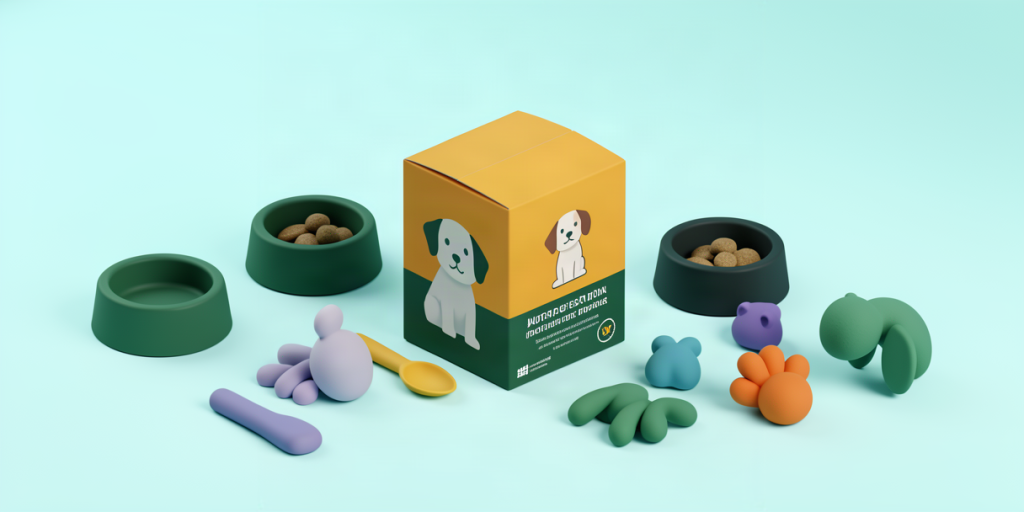
Choosing and using dog food can seem like a daunting task, especially for new pet owners. With numerous brands, types, and formats available, it can confuse even the most experienced dog owners. How do you select the perfect food for your furry friend, taking into account their age, size, and individual nutritional needs?
In our comprehensive guide to choosing and using dog food, we will explore key aspects that will help you make an informed decision. We will discuss which ingredients are important for your pet’s health, how to read labels correctly, and what mistakes to avoid when feeding. Join us to ensure your beloved companion receives a complete and balanced diet that supports their health and active lifestyle.
Types of Dog Food
There are several main types of dog food, each with its own advantages and disadvantages. The right choice of food depends on your pet’s needs, health, age, and activity level.
Dry food is one of the most popular feeding options for dogs. It is convenient to use, has a long shelf life, and helps maintain dental health by reducing plaque buildup. However, when choosing dry food, it’s important to pay attention to its composition. It should contain high-quality meat ingredients, as well as vitamins and minerals essential for a complete diet. A downside of dry food can be its low moisture content, which may negatively impact a dog’s health, especially if they do not drink enough water.
Wet food, on the other hand, contains more moisture, making it ideal for dogs prone to dehydration or those with kidney issues. It can also be more appealing to pets due to its aroma and texture. Wet food is often used in combination with dry food to create a varied diet. However, keep in mind that it has a shorter shelf life after opening and may be less convenient for transportation.
Prescription diets are intended for dogs with chronic conditions or specific medical indications. These foods are formulated with special needs in mind, such as weight control, digestive support, or allergy treatment. Choosing a prescription diet should be done under the guidance of a veterinarian, who can help determine which product is most suitable for your pet.
When selecting food for your dog, it’s important to consider their individual needs. Following the recommendations for choosing food will help ensure your friend enjoys good health and well-being.
How to Choose Quality Food
To choose quality food for your dog, several key aspects must be considered. First and foremost, pay attention to well-known brands. Products from reputable companies often undergo strict quality control and testing, ensuring the safety and nutritional value of the food. Research reviews from other dog owners and veterinarians to confirm the reliability of the chosen brand.
When selecting food, the composition is a crucial criterion. Prioritize meat ingredients, as they are the primary source of protein necessary for your dog’s health. An ideal option is food where meat is listed first among the ingredients. Avoid foods with high amounts of fillers, such as corn or soy, which offer little benefit and may trigger allergic reactions in some dogs.
Also, don’t forget to check for the presence of vitamins and minerals in the food. These additives are essential for maintaining overall health and strengthening your pet’s immune system. B vitamins, calcium, phosphorus, and omega-3 fatty acids play important roles in development and maintaining vital functions. Look for foods that contain a comprehensive blend of vitamins and minerals to ensure balanced nutrition.
In summary, here are the main tips for choosing dog food:
- Choose foods from well-known brands with a good reputation.
- Pay attention to meat ingredients, which should be listed first.
- Check for necessary vitamins and minerals in the food.
By following these recommendations, you can select quality food that meets your beloved pet’s needs and helps them stay healthy and active.
The Influence of Breed on Food Choice
When selecting dog food, it is important to consider that the breed of the pet significantly influences its nutrition. Large breeds, such as German Shepherds or Labradors, have unique characteristics related to their size and physical activity. For them, it is essential to choose foods with increased protein and mineral content, which help maintain muscle mass and joint health. Foods for large dogs often come in larger kibble sizes, which help prevent dental issues by promoting natural cleaning during chewing.
Small and medium dogs, such as Chihuahuas or Bulldogs, require a special approach to their diet. Their metabolism is generally more active, so it’s crucial to monitor the calorie content of the food to avoid weight gain. Foods with smaller kibble sizes are suitable for these breeds, making them easier to chew and swallow. It’s also important to note that small dogs may have a higher predisposition to dental diseases; therefore, foods with added components for maintaining oral health would be a good choice.
Some dog breeds are prone to allergies and food intolerances, which require special attention when choosing food. For example, dogs with sensitive digestive systems may need hypoallergenic options that contain limited protein sources and avoid common allergens like wheat or corn. In such cases, consider foods based on a single protein source, such as lamb or fish, and monitor your dog’s reaction to the new diet.
When choosing food, always consult with a veterinarian, who can provide recommendations based on your pet’s individual needs. It’s important to remember that proper nutrition is the key to a long and healthy life for your four-legged friend.
Age-Related Considerations
Age-related factors are an important aspect of choosing dog food, as nutritional needs change throughout a dog’s life.
Puppies in active growth stages require food with high protein and fat content. These components are essential for muscle mass development and strong bones. When selecting puppy food, ensure it contains sufficient vitamins and minerals, such as calcium and phosphorus, which support proper bone development. Puppy foods are typically labeled with special markings on the packaging and have higher calorie content, which is important for sustaining energy during rapid growth.
Adult dogs require a balanced diet that includes an optimal ratio of proteins, fats, and carbohydrates. Adult dog foods should provide the necessary nutrients to maintain health and activity. During this period, it is especially important to monitor your pet’s weight to avoid obesity. Some manufacturers offer foods labeled «average» or «active,» suitable for dogs leading a normal lifestyle without specific medical indications.
For senior dogs, it is essential to consider decreased activity levels and changes in metabolism. Foods for aging dogs often contain additional supplements, such as glucosamine and chondroitin, which support joint health, as well as antioxidants that help slow down cell aging. These foods may also have reduced fat and calorie content to prevent weight gain. It is vital to choose foods that address your dog’s individual needs, as every pet is unique and may require a special approach to nutrition.
Thus, when selecting food for a dog, it is necessary to consider their age-related needs. This will ensure that your pet receives optimal nutrition and maintains their health throughout their life.
Health Issues and Food Selection
When choosing dog food, especially if your pet has specific health needs, it is crucial to consider the presence of allergies, diabetes, and gastrointestinal diseases. These factors can significantly influence food selection, and making the right choice will help ensure your beloved companion enjoys a long and healthy life.
Dogs with allergies often require a special dietary approach. Allergic reactions can occur to various components of the food, such as grains or certain types of meat. In such cases, it is better to choose hypoallergenic foods that contain a limited number of ingredients and consist mainly of protein sources that your pet has not eaten before. It is advisable to select foods with high meat content and minimal additives, while also paying attention to the vitamins and minerals needed to maintain overall health.
For dogs suffering from diabetes, it is crucial to consider the carbohydrate levels in the food. Special diabetic foods typically have a low glycemic index and help control blood sugar levels. These foods often contain high-quality proteins and fiber, which promote slow carbohydrate absorption and prevent sharp spikes in blood sugar. It is important to consult with a veterinarian before choosing food to ensure it meets your pet’s needs.
For gastrointestinal diseases, it is advisable to select foods that are easy to digest and do not contain irritating ingredients. Foods with high fiber content help normalize intestinal function and may also contain prebiotics and probiotics that support healthy gut flora. Always monitor your pet’s reaction to the new food, and if negative changes occur, consult a veterinarian.
In conclusion, selecting food for dogs with special needs requires attention and awareness. Always choose well-known brands, pay attention to the composition, and consult with specialists when necessary. Take care of your pet’s health, and they will respond with loyalty and love.
How to Properly Feed Your Dog
Feeding your dog is an essential aspect of pet care that directly affects their health and overall well-being. Establishing a proper feeding routine, portion sizes, and feeding techniques will help owners provide their four-legged friends with the necessary nutrients.
The first step in organizing feeding is determining the feeding schedule. Adult dogs are typically recommended to be fed twice a day — in the morning and evening. Puppies, on the other hand, require more frequent feeding, up to four times a day, as their bodies are developing and require more energy. It is important to stick to a set schedule, as this helps the dog develop a habit and promotes better digestion.
The portion size of food depends on several factors: weight, age, activity level, and health status of the dog. Usually, the packaging of the food provides recommended guidelines, which should be used as a reference. It is essential to monitor your pet’s condition: if the dog starts to gain excess weight or, conversely, lose it, the portion sizes should be adjusted. Also, keep in mind that some breeds may have specific nutritional needs, so it is advisable to consult with a veterinarian to create an individualized diet.
Regarding feeding techniques, there are several helpful tips. First, feed your dog in a calm environment, avoiding unnecessary distractions so that your pet can focus on eating. Second, try not to feed your dog from the table, as this can lead to poor habits. It is also important to choose an appropriate bowl: it should be stable and comfortable for the dog. If your pet eats too quickly, you can use special bowls with dividers or feeding toys that slow down the process.
In conclusion, proper feeding of your dog is not only about choosing quality food but also about adhering to a schedule, portion sizes, and feeding techniques. By caring for your pet’s nutrition, you help them remain active and healthy for many years.
How to Read a Pet Food Label
Reading dog food labels is an important step towards maintaining your pet’s healthy diet. The main terms you will encounter on the packaging may seem confusing, but understanding them will help you make the right choice. First and foremost, pay attention to the primary ingredient. If meat or meat products are listed at the top of the list, that’s a good sign, as dogs are carnivorous animals, and their diet should be based on a high-quality protein source. Avoid foods where corn or soy are listed first, as they are not ideal nutrient sources for dogs.
Evaluating the food’s composition begins with analyzing the ingredient list. It’s important that the food contains not only proteins but also fats, carbohydrates, vitamins, and minerals. For example, omega-3 and omega-6 fatty acids promote healthy skin and coat, while B vitamins support metabolism. Additionally, supplements like probiotics can help maintain gut health. Ensure that the food contains necessary components to support your dog’s overall health, considering their age, size, and activity level.
Don’t forget to check the expiration date and storage conditions of the food. Even the highest quality product will lose its properties if improperly stored. Pay attention to the manufacturing date and shelf life indicated on the packaging. It is best to choose food that has been produced recently and store it in a dry, cool place to avoid spoilage. It is also helpful to familiarize yourself with the feeding recommendations on the packaging to calculate portions based on your dog’s weight and activity level.
Tips for Transitioning to New Food
Transitioning to new dog food is an important step that requires attention and caution. To prevent stomach upset in your pet, it is recommended to make the transition gradually. Start small: for the first few days, add a small amount of the new food to your dog’s existing diet. For example, you can start with 20% new food and 80% old food. Each day, increase the proportion of new food until it reaches 100% over 7-10 days. This approach will help your pet adapt to the changes and reduce the likelihood of gastrointestinal issues.
During the transition, it’s important to closely monitor your dog’s reaction. Pay attention to their behavior, appetite, and overall health. If your pet begins to show signs of discomfort, such as vomiting, diarrhea, or loss of appetite, it may be a signal that the new food is not suitable. In this case, it is advisable to temporarily return to the old food and consult a veterinarian to determine the best course of action. It is also helpful to consider the individual characteristics of each dog, such as age, breed, and any chronic diseases that may affect their response to new food.
If you notice significant changes in your dog’s health, do not delay a visit to the veterinarian. Particularly pay attention to symptoms such as:
- prolonged vomiting or diarrhea;
- lack of appetite for more than a day;
- lethargy or sluggishness;
- breathing problems or other abnormalities.
Remember that choosing food is not only a matter of your dog’s taste preferences but also a concern for their health. Good and balanced food, containing essential vitamins and minerals, will help your pet stay active and healthy for many years. Always consult with a veterinarian to choose the most suitable food for your four-legged friend.
Frequently Asked Questions
What food is best for a puppy?
Is it okay to mix different foods?
How can I tell if food is not suitable for my dog?
Key Takeaways
- The choice of food depends on the breed, age, and health of the dog.
- Consider the composition and ingredients of the food.
- Transition to new food gradually.