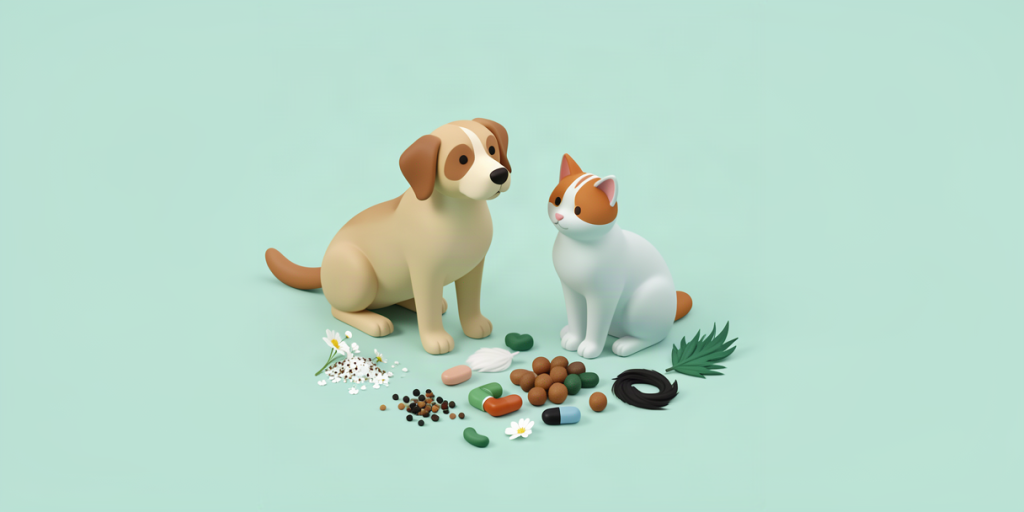
Allergies in pets are a problem that affects many dog and cat owners in 2026. Symptoms can range from itching and skin redness to breathing issues, and each year more pets face this unpleasant condition. It is important to understand that allergies can significantly diminish your beloved pet’s quality of life, so knowing how to manage allergies in pets is essential.
This practical guide will cover the main types of allergies, their symptoms, and treatment methods. We will also share useful tips for prevention and care for animals suffering from allergies. Knowing how to help your pet means making their life more comfortable and happy.
Understanding Allergies in Pets
Allergies in pets are a reaction of the immune system to certain substances known as allergens. In both dogs and cats, allergies can manifest in various forms and have different causes. The main types of allergies include food allergies, allergic dermatitis (caused by exposure to external allergens such as pollen, mold, fleas, and chemicals), and allergies related to contact irritants. Each of these allergy types requires a special approach to diagnosis and treatment.
The immune system of pets reacts to allergens as if they were dangerous agents. Upon first contact with an allergen, sensitization occurs—the body «remembers» the allergen and starts producing antibodies. Upon re-exposure to the same allergen, the immune system is activated, which can lead to various symptoms: itching, skin rashes, breathing or digestive problems. It is crucial to understand that the manifestations of allergies can vary depending on the individual characteristics of the animal and the specific allergen.
Common allergens for dogs and cats include:
- Pollen from plants—especially during the spring and summer seasons.
- Mold, which can be found both indoors and outdoors.
- Arthropods, particularly fleas, which can cause allergic dermatitis in animals.
- Some food components, such as wheat, milk, or chicken.
- Chemicals found in household cleaning products and other items.
To manage allergies in pets, it is important not only to accurately diagnose the problem but also to take specific steps to reduce contact with allergens. Regular bathing using special detergents, creating allergen-free zones, and limiting the pet’s access to the bedroom can significantly improve the quality of life for both the animal and the owners.
Symptoms of Allergies in Dogs and Cats
Allergies in pets, such as dogs and cats, can manifest through various symptoms that are important to recognize in order to provide timely assistance. First and foremost, skin reactions are the most common. If your pet starts to itch intensely, develops redness or rashes on the skin, it may be a sign of an allergy. These symptoms may be accompanied by inflammation and even hair loss in affected areas.
In addition to skin manifestations, allergies can cause respiratory symptoms. If you notice that your dog or cat is coughing frequently, sneezing, or has tearing eyes, this may also indicate an allergic reaction. It is important to pay attention to the frequency and intensity of these symptoms, as they can significantly diminish your pet’s quality of life.
Digestive problems that may arise as a result of allergies are equally important. If your dog or cat suffers from vomiting or diarrhea, this may also be related to an allergic reaction to certain foods or substances in the diet. Such symptoms require immediate attention and possibly a change in diet or a visit to the veterinarian.
If you notice one or more of these symptoms, it is advisable to consult a veterinarian for diagnosis and appropriate treatment. Additionally, it is important to create a comfortable environment for your pet by minimizing contact with potential allergens. Regular bathing and cleaning of the premises will help reduce the allergen levels and improve your beloved pet’s health.
Identifying Allergies: Diagnosis and Testing
Identifying allergies in pets is an important step in their treatment and health care. The first step in this process is a consultation with a veterinarian. The specialist will conduct a thorough examination of your pet to rule out other diseases that may present similar symptoms. The veterinarian will also be able to assess the overall health picture of the animal and suggest the most appropriate diagnostic methods.
There are several allergy testing methods, among which skin tests and serum tests stand out. Skin tests involve applying a small amount of the suspected allergen to the animal’s skin and observing the reaction. This method allows for a quick determination of what exactly triggers a reaction in your pet. Serum tests, on the other hand, analyze the animal’s blood for the presence of antibodies to specific allergens. This is a safer method that can be used even for animals with sensitive skin. The choice of test depends on the health condition of your pet and the veterinarian’s recommendations.
Additionally, keeping a symptom diary and noting possible triggers can be helpful in identifying allergies. Record when and under what circumstances your animal exhibits allergic reactions: changes in diet, new toys, outdoor walks, etc. This will help you and the veterinarian better understand which factors might be causing the allergies and how to minimize their impact.
By following these recommendations, you will be able to not only identify the source of the allergies but also create comfortable conditions for your pet, thus improving their quality of life and reducing the risk of recurrent allergic reactions.
Treating Allergies in Pets
Treating allergies in pets requires a comprehensive approach that includes medication, immunotherapy, and the use of home remedies for care. It is important to understand that each case is unique, and treatment should be tailored to the specific needs of your pet.
Medication for allergies often includes antihistamines and corticosteroids. Antihistamines help reduce itching and allergic reactions and are available in tablet or injection form. Medications like «Claritin» can be effective in alleviating symptoms. Corticosteroids, in turn, are used in more severe cases when a rapid reduction of the allergic reaction is required. However, it is essential to remember that prolonged use of corticosteroids can have side effects, so their prescription should be strictly monitored by a veterinarian.
Immunotherapy is another method that can help in treating allergies in pets. This approach involves gradually introducing the allergen into the pet’s body to develop an immune response. Immunotherapy can be effective for allergies caused by pollen, mold, or other external allergens. However, this method requires time and regular monitoring by a veterinarian, as its effectiveness can vary depending on the individual characteristics of the animal.
In addition to medication and immunotherapy, an important aspect is the use of home remedies and proper care for your pet. Regular bathing with specialized cleaning products will help reduce the amount of allergens on the animal’s fur. Special shampoos can not only clean the fur but also moisturize the skin, which is especially important during allergic reactions. It is also recommended to create allergen-free zones in the home and regularly clean to minimize the impact of allergens on the pet.
Thus, the right combination of medication, immunotherapy, and attentive care will help effectively manage allergies in pets, ensuring their comfort and health.
Preventing Allergies in Pets
Preventing allergies in pets
Pet owners suffering from allergies can significantly improve their well-being by creating allergen-free zones in their homes. This is particularly important in the bedroom, where we spend much of our time. It is advisable to limit your pet’s access to such spaces, as well as to use special air filters to minimize the number of allergens. Regular cleaning and using HEPA filter vacuums will help eliminate pet hair and dander that can trigger allergic reactions.
Another important step in preventing allergies is regular bathing of pets. Specialized cleaning products designed for animals will help remove allergenic substances from their fur and reduce their presence in the home. It is recommended to bathe pets at least twice a week, especially during shedding periods when the amount of fur and allergens in the environment increases. It is important to thoroughly dry the fur and monitor the condition of the animal’s skin to avoid irritation.
Additionally, it is wise to avoid contact with known allergens. This may include limiting access to certain materials or items that could trigger an allergic reaction. For example, avoid using fluffy carpets and fabrics that can accumulate hair and dust. Regularly ventilating rooms and maintaining optimal humidity levels will help prevent dust mites and other allergens from proliferating.
Implementing these simple yet effective measures will not only improve the condition of allergy sufferers but also create a more comfortable living environment with pets.
Special Recommendations for Pet Owners
Special Recommendations for Pet Owners
Choosing food for pets with allergies requires special attention. It is important to consider that many pet foods contain potential allergens such as wheat, corn, or soy. When selecting food, it is better to opt for hypoallergenic options, which often rely on a limited number of ingredients. Look for foods containing proteins that your pet has not previously consumed, such as rabbit or fish. It is also advisable to consult with a veterinarian to select the optimal diet for your animal and minimize the risk of allergic reactions.
Planning your pet’s lifestyle also plays a key role in managing allergies. Regular outdoor walks are necessary, but try to avoid areas with high pollen levels or pollution. It is important to establish a clear feeding and care schedule for the animal. Ensure that your pet has access only to products and toys that do not contain allergens. Additionally, regular hygiene procedures, such as bathing with specialized cleaning products, will help reduce the number of allergens on your beloved pet’s fur.
Maintaining hygiene in the home is an important aspect of combating allergies. Regular cleaning and ventilation will help reduce the level of allergens in your home. Use HEPA filter vacuums to remove allergens from carpets and upholstered furniture. Try to minimize the number of textile surfaces where dust and fur can accumulate. Creating special zones in the home, such as a designated bedroom where the pet will not be allowed, will also help reduce allergy symptoms.
By following these recommendations, you can significantly improve your pet’s quality of life and your own health, creating a comfortable and safe environment for all family members.
When to See a Veterinarian
When to See a Veterinarian
When dealing with allergies in pets, it is crucial to closely monitor their condition and pay attention to changes in behavior and health. There are certain signs that require immediate veterinary attention. Such symptoms include:
- Severe itching and scratching leading to skin damage;
- Swelling, redness, or rashes on the skin;
- Breathing problems, such as wheezing or difficulty breathing;
- Loss of appetite or a sudden decrease in activity;
- Nausea, vomiting, or diarrhea without an apparent cause.
Regular check-ups with the veterinarian play an essential role in the prevention and management of allergies. It is advisable to have check-ups at least once every six months. This will allow the veterinarian to monitor your pet’s health and adjust treatment if necessary. Additionally, regular check-ups will help identify potential allergens and prevent their impact on the animal.
It is also important to pay attention to signals indicating that the current treatment may not be effective. If your pet continues to show allergy symptoms despite treatment, this may indicate the need to reassess the therapeutic approach. Such signals include:
- Persistent or worsening scratching;
- Appearance of new rashes or an increase in the area of affected areas;
- Worsening of breathing issues;
- Ineffectiveness of prescribed medications;
- Prolonged decline in overall health.
If you notice one or more of the above signs, do not delay in visiting the veterinarian. Timely medical assistance will help your pet avoid serious complications and ensure their comfort and health.
The Psychological Aspect: How to Help Your Pet
The Psychological Aspect: How to Help Your Pet
Stress can significantly exacerbate the manifestations of allergies in pets. When a pet is uncomfortable due to itching, skin redness, or other symptoms, their emotional state also suffers. It is important to remember that stress and allergies are interconnected: the more discomfort the pet feels, the more nervous and anxious they become. Therefore, during allergy flare-ups, it is crucial to pay extra attention to your beloved pet’s psychological state.
One way to support your pet during this challenging time is to create a comfortable and calm environment. Provide your pet with a private space where they can rest and feel safe. This could be a cozy corner with their favorite bedding and toys. It is also wise to avoid loud noises and sudden movements that may frighten the animal and cause additional stress. Regular outdoor walks will help not only distract the pet but also improve their overall well-being.
Choosing calming products and methods also plays an important role. In 2026, various natural supplements and medications designed to alleviate stress in animals are available on the market. Before giving your pet any medications, be sure to consult with a veterinarian. They will be able to recommend the most suitable products, taking into account your pet’s individual characteristics. Additionally, methods such as aromatherapy using essential oils (but only in safe doses) or special stress-relief toys may be beneficial.
Also, do not forget about regular grooming procedures. Bathing your pet with specialized shampoos not only helps relieve itching but also improves their emotional state. The bathing process can become a pleasant ritual for you and your pet, strengthening your bond and creating an atmosphere of trust.
By following these recommendations, you can support your pet during tough times and help them cope with allergies while ensuring their emotional comfort and safety.
Frequently Asked Questions
How can I tell if my pet has allergies?
Can allergies in pets be prevented?
How to treat allergies in cats and dogs?
How long does allergy treatment take?
Which veterinarian is best suited for treating allergies?
Key Takeaways
- Allergies in pets require careful attention.
- Regular care and prevention can significantly alleviate the pet’s condition.
- Consulting a veterinarian is key for effective treatment.