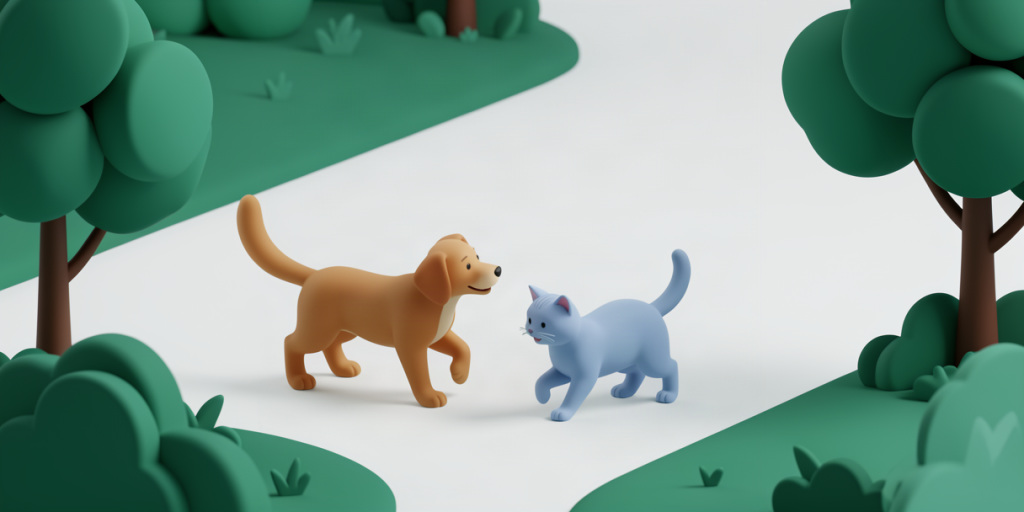
Creating the perfect daily routine for pets is not only about caring for their health but also a way to enhance your pet’s quality of life. Every furry or feathered friend has unique needs that require attention and understanding. A proper routine helps maintain physical activity and strengthens the emotional bond between you and your beloved pet.
In this article, we will explore key aspects that allow you to create an optimal day for your pet, including time for walks, feeding, play, and rest. By considering the character and breed of your pet, you can develop a routine that ensures harmony and joy in your pet’s life.
Why is a Daily Routine Important for Pets?
A daily routine for pets plays a crucial role in their health and well-being. Regular physical exercise and mental stimulation help maintain physical fitness and develop cognitive abilities in pets. Walks in the fresh air, active play, and engaging with toys promote better metabolism, strengthen the cardiovascular system, and help avoid excessive weight. For dogs, for example, at least 2-3 hours of active physical activity per day is necessary, allowing them not only to maintain good physical condition but also to improve their mood.
Additionally, a daily routine can significantly reduce stress and anxiety levels in pets. Animals, like humans, feel more secure when they know what to expect. The stability of a routine helps pets feel safe and minimizes the risk of behavioral problems, such as aggression or destructive behavior. This is especially important for puppies and kittens, who need a clear and predictable routine as they grow.
An important aspect of the daily routine is building a trusting relationship between the pet and the owner. When you spend time with your pet, train them, and interact during play, you not only develop their skills but also strengthen the emotional bond. This creates an atmosphere of trust and mutual understanding, which is essential for comfortable coexistence.
To create the perfect daily routine for your pet, consider the following recommendations:
- Regular walks: try to walk your dog at least 2-3 times a day.
- Fixed feeding times: feed your pet at the same time every day.
- Training and play: set aside time for training and active play to help develop mental abilities.
- Social interactions: allow your pet to interact with other animals, which is important for their socialization.
By following these simple rules, you can create a harmonious daily routine for your pet that will contribute to their physical and psychological well-being.
Key Elements of a Daily Routine
Creating the perfect daily routine for pets is an important aspect of their well-being and health. The key elements of such a routine should include regular walks, clear feeding and training times, as well as active interaction with the owner through play and other activities.
Regular walks are the foundation of physical activity for dogs. It is recommended to dedicate at least 2-3 hours a day to them, divided into several outings. Walks help not only to maintain your pet’s physical fitness but also foster their socialization. During walks, your dog can interact with other animals, which is extremely important for their psycho-emotional state. It is important to remember that walks should be varied: choose different routes so that your pet can explore new places and have new experiences.
The second key element is a fixed feeding time. Dogs, like humans, feel better when they have a predictable routine. Feeding at the same time daily helps avoid digestive problems and supports normal metabolism. It is usually recommended to feed dogs twice a day, but puppies may require more frequent meals. It is also essential to consider your pet’s needs based on their age, breed, and activity level.
Training and playtime are no less important aspects of the daily routine. Engaging with your pet not only strengthens your bond but also promotes the intellectual development of the dog. Regular training improves your pet’s behavior and discipline. These can be short 10-15 minute sessions or longer play sessions. It is important to make training fun by using positive reinforcement and various toys.
In conclusion, the ideal daily routine for pets includes:
- Regular walks (2-3 hours a day);
- Fixed feeding times;
- Daily training and play with the owner.
Following these simple recommendations will help your pet stay healthy, active, and happy.
How to Organize a Routine for Your Dog
Creating the perfect daily routine for your dog is an important aspect of their upbringing and health. To ensure your pet’s comfort and harmony, it is essential to establish clear time frames for morning and evening walks. It is advisable to plan two to three walks a day, each lasting at least an hour. This will give your four-legged friend the opportunity not only to stretch their legs but also to satisfy their natural instincts, such as exploring territory and interacting with the surrounding world.
Don’t forget to include active games in the routine, such as throwing a ball or frisbee. These activities not only develop the dog’s physical endurance but also strengthen the bond between you and your pet. Play helps reduce stress levels and prevent behavioral problems that may arise from a lack of activity. It is important that these games take place in different locations so that the dog can familiarize itself with new scents and environments.
Additionally, interaction with other dogs plays a key role in socialization. This can be organized during walks in the park, where your pets can interact with one another. Socialization helps your dogs build confidence and teaches them appropriate behavior in society. Such meetings can also provide a good opportunity for owners to discuss pet care and exchange experiences.
To achieve successful results, stick to the established routine from an early age. If your dog is already adult, don’t worry — it’s never too late to start forming a routine. The main thing is consistency and patience. As a result, adhering to the routine will not only improve your pet’s physical condition but also help create a harmonious atmosphere in your home.
- Establish a time for morning and evening walks;
- Include active games with a ball or frisbee;
- Ensure interaction with other dogs for socialization.
Routine for Puppies
Creating the perfect daily routine for a puppy is an important step towards their health and good behavior. The main thing to remember is the need for regular walks and active communication. Before the age of one, puppies require frequent outings, and the optimal option would be to walk them every 4-5 hours. This will not only satisfy their physical needs but also prevent potential behavioral problems associated with a lack of activity.
Walks should be alternated with indoor play. Play is an essential part of a puppy’s life, helping to develop their physical skills and strengthen the bond with the owner. It is important that the games are varied: you can use balls, tug toys, or training items. This is not only engaging but also promotes the mental development of the puppy. Interaction during play and walks contributes to the socialization of the dog, which is crucial for their future life.
Training also plays a key role in the daily routine. Use positive reinforcement methods to make the learning process enjoyable and memorable for your pet. Reward the puppy for following commands or good behavior, which will help them learn the necessary skills and commands faster. Regular sessions not only strengthen the trust between you and your pet but also contribute to their character development.
The general daily routine can be structured as follows:
- Morning wake-up and first walk (30-45 minutes).
- Breakfast at a fixed time.
- Play and training for 30 minutes.
- Second walk after 4-5 hours.
- Time for rest and indoor play.
- Dinner at the same time.
- Evening walk before bedtime.
By following this routine, you will not only provide your puppy with a fulfilling life but also lay the foundation for their development as an obedient and happy pet.
Organizing a Day for Cats
Creating the perfect daily routine for house cats requires a thoughtful approach, as these pets have their unique needs and habits. Cats are typically more independent than dogs, and their schedule may vary depending on their character and age. However, by following a few basic recommendations, you can make their day more enriching and interesting.
First, it is essential to set aside time for play with interactive toys. Cats, especially young ones, need physical activity to maintain their health and prevent boredom. Playing with mouse toys on strings, laser pointers, or automatic toys will not only entertain your pet but also stimulate their hunting instincts. It is recommended to have play sessions several times a day for 15-20 minutes, helping the cat expend energy and stay active.
Second, ensure your pet has a safe place for rest and observation. Cats love to watch the world around them, so creating a cozy spot on a windowsill or in a quiet corner of the apartment with a soft blanket would be an excellent solution. This place should be protected from drafts and noisy areas so that the cat can rest and recharge peacefully.
Moreover, regularly changing toys will help maintain your cat’s interest in play. Over time, pets may tire of the same toys, so periodic rotation will keep their enthusiasm alive. You can store some toys in a hidden spot and alternate them every few weeks. This will not only stimulate the cat’s activity but also create a sense of novelty.
In conclusion, creating a routine for your cat is not only about scheduling but also caring for their well-being. By providing time for play, comfortable resting spots, and a variety of toys, you will enrich your pet’s life and make them happier.
Flexibility in the Routine: What to Consider
Flexibility in the routine: what to consider
Creating the perfect daily routine for pets requires a thoughtful approach, especially regarding flexibility. It is necessary to consider your pet’s age and activity level. For instance, puppies and young dogs require more frequent walks and active play than adult and senior animals. It is important to remember that during the first months of life, puppies need regular outings every 4-5 hours, as they cannot hold it for long. At the same time, more mature pets can adapt to less frequent but longer walks.
Every animal is unique, and their needs can vary significantly. Consider your pet’s individual preferences: some dogs enjoy long walks, while others prefer short but frequent outings. Cats, on the other hand, may require more rest time and less intense physical activity. Therefore, it is important to adjust the daily routine based on the character and preferences of your furry friend.
Being ready for changes in the schedule is also a key aspect. Life circumstances can change, and sometimes you will need to adapt the routine based on the situation. For example, if your work schedule changes or you plan a trip, it’s wise to think in advance about how this will impact your pet’s daily routine. Be prepared to make adjustments and observe your pet’s reaction to these changes.
Key recommendations for flexibility in the routine:
- Consider your pet’s age and activity level.
- Listen to your pet’s individual preferences.
- Be ready to make changes to the routine if necessary.
- Create a stable routine but leave room for adaptation.
Thus, flexibility in your pet’s daily routine will help create a comfortable and safe environment for their life, ultimately making both of you happy.
The Benefits of Interacting with Other Pets
The benefits of interacting with other pets
Interaction between pets and other animals plays a crucial role in their socialization and development of communication skills. From an early age, puppies and kittens learn to understand the language of their kind, recognize non-verbal signals, and adhere to social norms through interactions with peers. This interaction helps build confidence and reduces the likelihood of behavioral issues in the future. For example, dogs that have the opportunity to socialize with other dogs are more likely to exhibit friendly behavior and can adapt more easily to new situations.
Playing with other pets also significantly increases the level of physical activity. Regular joint walks and games stimulate physical exercise, which is vital for maintaining health and good physical shape. Dogs that play in the park with other four-legged friends expend more energy than those who walk alone. This not only helps avoid excessive weight but also contributes to improved cardiovascular health and muscle strengthening. Physical activity also promotes the release of endorphins, positively affecting your pet’s mood.
Furthermore, interaction with other animals can reduce aggression and anxiety levels in pets. Isolation can lead to stress and increased anxiety, which, in turn, may trigger aggressive behavior. Communicating with other pets allows animals to learn to control their emotions, resulting in becoming more balanced. This is particularly important for dogs that may sometimes display aggression towards other animals or people. Socialization helps them develop the skills necessary for peaceful coexistence in society.
Thus, creating a daily routine that includes interaction with other pets is fundamental for the harmonious development and health of your beloved animal. Regular walks and games with peers not only enrich their lives but also foster the formation of essential social skills.
Tips for Maintaining a Daily Routine
Creating the perfect daily routine for your pet requires attentiveness and consistency. One of the most effective ways to ensure stability is to use reminders and schedules. You can set reminders on your phone or use specialized apps to keep track of feeding times, walks, and training sessions. This is especially important if you have multiple pets, as each may have its own needs and schedule.
Discussing the routine with family members is also essential. All adults caring for the pet should be aware of the established routine. This helps avoid confusion and ensures that the pet receives the necessary care at the same hours. For example, if one family member walks the dog at one time while another does so at a different time, this can confuse the animal and disrupt its habits. Establishing a common schedule and adhering to it will help your pet feel comfortable and safe.
Regularly reviewing the daily routine is also necessary, especially if your pet changes due to age or health condition. As a rule, over time, a pet’s needs may change. For example, aging dogs may require less physical activity, while puppies need more frequent walks and activities. Take these changes into account and adapt the routine to keep it relevant and suitable for your pet.
Key recommendations:
- Set clear time frames for feeding and walks.
- Use reminders to keep track of important information.
- Discuss the routine with family members for consistency.
- Regularly review the routine according to your pet’s health and age.
Maintaining a daily routine is the key to your pet’s health and happiness. Stability in the routine will help your pet feel confident and create harmony in your home.
Frequently Asked Questions
How often should I walk my dog?
How to organize a routine for a puppy?
How to maintain a cat’s interest in play?
Key Takeaways
- A daily routine is important for a pet’s health and well-being.
- Regular walks and play improve animals’ physical and mental condition.
- Flexibility and adapting the routine to the individual needs of the pet is key to success.