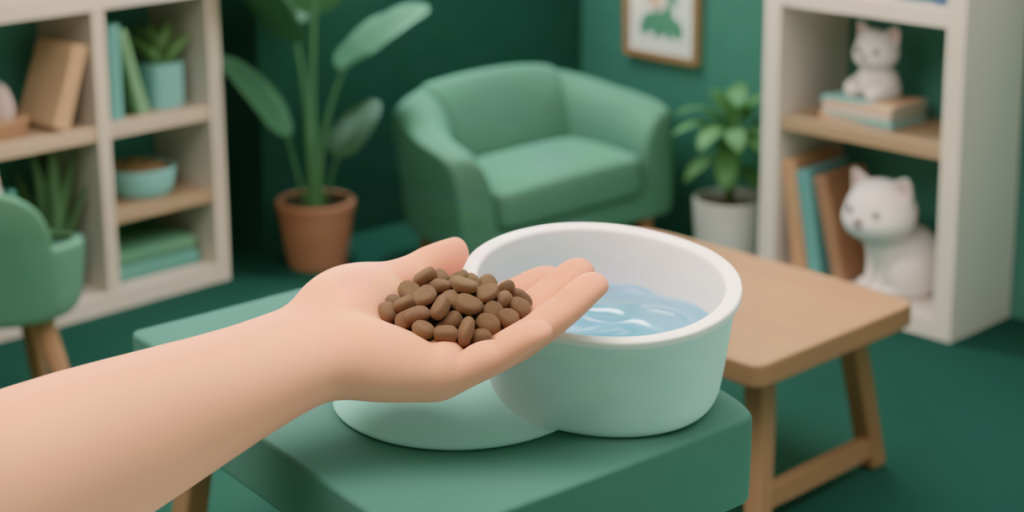
Your cat’s health is the foundation of its happiness and longevity. Caring for your cat’s health involves not only regular visits to the veterinarian but also a range of simple activities that can significantly reduce the risk of diseases. Prevention is a key aspect that will help you avoid many issues and keep your furry friend in excellent shape.
In this article, we will share simple tips for preventing diseases in cats that will help you closely monitor your pet’s condition. Discover how to properly organize nutrition, ensure physical activity, and create comfortable living conditions for your cat to remain healthy and joyful for many years.
Quality Nutrition
Quality nutrition plays a key role in maintaining your cat’s health. A balanced diet that includes all necessary vitamins and minerals promotes proper development and supports the pet’s immune system. It is important to choose high-quality feeds that contain all the needed components: proteins, fats, carbohydrates, vitamins, and minerals. Pay attention to the feed composition and avoid those containing artificial additives and fillers. Natural feeds made from fresh ingredients can also be an excellent foundation for your pet’s diet.
Equally important is to provide access to fresh water. Cats often do not drink enough fluids, which can lead to kidney and bladder issues. Regularly providing filtered water will help avoid these problems and support your pet’s health. Make sure there is always clean water in the bowl, and change it several times a day. Some cats prefer to drink from fountains, which provide a constant flow of water and may encourage them to drink more.
Feeding your cat human food or low-quality feeds can harm its health. Many foods that are safe for humans can be toxic to cats. This includes items such as chocolate, onions, garlic, and avocados. Additionally, human food often contains a lot of salt and fats, which can lead to obesity and other diseases. To prevent health issues, stick to specialized feeds and avoid treating your pet with ‘treats’ from your table.
By following these simple recommendations, you can significantly improve your cat’s quality of life and maintain its health at a high level. Remember that caring for proper nutrition is one of the most important aspects of taking care of your furry friend.
Regular Veterinary Check-ups
Regular veterinary check-ups are a crucial part of caring for your cat’s health. Annual routine visits to the veterinarian allow for the early detection of diseases, significantly increasing the chances of successful treatment. Even if your cat appears healthy, a preventive examination can help uncover hidden problems that could become serious in the future. The veterinarian will conduct a general examination, check the condition of the teeth and gums, and assess your pet’s weight and overall condition.
Vaccination is another key aspect of disease prevention in cats. In 2026, it is recommended to vaccinate cats against common infections such as panleukopenia and viral rhinotracheitis. These diseases can have severe consequences, and timely vaccination will help prevent their occurrence. Most veterinarians advise starting vaccinations for kittens at 8 to 12 weeks of age, with subsequent revaccinations according to a set schedule.
Equally important is checking for parasites, such as fleas and worms. These unwanted guests can not only cause discomfort for your pet but can also lead to more serious diseases. Regular parasite treatments, carried out according to the veterinarian’s recommendations, will help protect your cat and prevent infestations. Also, remember the importance of maintaining cleanliness in the home, which significantly reduces the risk of parasite appearances.
In conclusion, regular veterinary check-ups, vaccinations, and parasite prevention are the three pillars on which your cat’s health rests. By taking care of your pet through simple but effective measures, you can ensure a long and active life full of joy and health.
Hygiene and Care for Your Cat
Hygiene and care for your cat are important aspects that contribute to its health and well-being. Regular nail trimming is a necessary procedure that helps prevent injuries and skin problems. Long nails can catch on furniture or other surfaces, leading to damage and even infections. It is optimal to carry out this procedure every 2-4 weeks, depending on the cat’s activity and the type of its claws. For this, it is advisable to use special nail clippers and to accustom your pet to this procedure from a young age to avoid stress.
Grooming also plays an important role in maintaining your cat’s health. Regular brushing helps remove dirt, dead hair, and prevents matting. This is especially relevant for long-haired breeds that require more careful grooming. Brushing not only improves the appearance of the coat but also promotes better blood circulation, positively affecting the skin’s condition. Additionally, pay attention to dental care. Cats, like humans, can develop plaque and tartar, leading to gum diseases. It is recommended to accustom your pet to tooth brushing using specialized pastes and brushes, which will help avoid problems in the future.
The cleanliness of the litter box is another important aspect of cat care. Regularly replacing the litter and thoroughly cleaning the box prevents unpleasant odors and the development of bacteria. It is optimal to change the litter every few days and carry out a complete cleaning of the box with disinfection at least once a week. This not only improves hygiene in the home but also ensures comfort for your cat, which, in turn, contributes to its well-being and disease prevention.
- Regular nail trimming (every 2-4 weeks).
- Brushing to remove mats and dirt.
- Teeth cleaning using specialized products.
- Regular litter box replacement and cleaning (every few days).
Physical Activity and Mental Development
Physical activity and mental development play a key role in maintaining your cat’s health and well-being. To prevent obesity and ensure an adequate level of physical activity, it is important to include various games and exercises in your pet’s daily life. Simple things, such as using a laser pointer or balls, can significantly increase your cat’s activity level. Active play not only helps maintain physical shape but also improves metabolism, which is an important aspect of disease prevention.
Additionally, interactive toys are becoming an excellent tool for stimulating your pet’s mental development. Toys that require the cat to solve problems or find treats help develop its cognitive abilities and maintain interest in the surrounding world. Such toys can include puzzles, mechanical toys, or even simple containers with treats that need to be opened. They not only occupy the cat but also help avoid boredom, which can lead to negative health consequences.
If your cat enjoys walks, regular outings on a leash can be a great way to maintain its physical activity. Walks not only strengthen muscles and joints but also provide your cat with the opportunity to explore new smells and sounds, which positively affects its mental state. However, it is important to consider that not all cats enjoy leash walks, so you should gradually accustom your pet to this process and choose calm places for walks.
Incorporating physical exercises and mental games into your cat’s daily life not only helps prevent diseases but also makes your pet’s life richer and more interesting. Regular activity is the key to your furry friend’s health, good mood, and longevity.
Psychological Health of Your Cat
The psychological health of your cat plays an important role in its overall health and well-being. Creating a comfortable and safe environment at home is one of the key factors that contribute to reducing your pet’s stress. Cats are generally very sensitive to changes in their surroundings. Therefore, it is important to provide them with familiar and calm living conditions. Spacious and secluded spots where the animal can hide or simply rest help create a sense of security. Don’t forget about soft bedding and cozy hiding places where your cat can retreat when it needs to.
Providing your cat with hiding spots and resting places is not only an important aspect of comfort but also a necessity for maintaining its psychological health. Cats love to observe the world around them, so it is worth creating several such spots from which they can watch what is happening in the house. These can be shelves, lounges, cat trees, or even special scratching posts with platforms. This approach will help your pet feel more confident and calm.
Attention and interaction with your pet are another important component that helps reduce stress. Regular play, petting, and communication strengthen the bond between you and your cat. This not only improves your pet’s mood but also contributes to its emotional state. Set aside time for joint play, using a variety of toys that will interest your cat. It is important to be attentive to its mood and needs: if it doesn’t want to play, allow it the opportunity to rest.
Recognizing signs of stress and discomfort in your cat will also help prevent the development of many issues. If your pet begins to behave unusually, such as hiding or showing aggression, it is important to determine the reasons for such behavior and, if necessary, consult a veterinarian or animal behavior specialist. By caring for your cat’s psychological health, you ensure it not only comfort but also overall well-being, which in turn positively affects its physical condition.
Prevention of Common Diseases
Caring for your cat’s health is not only a matter of treatment but also the prevention of common diseases. Some of the most frequent problems that your pets may face are conjunctivitis and vomiting. Conjunctivitis manifests as redness of the eyes, discharge, and swelling of the eyelids. In this case, it is important not only to contact the veterinarian in a timely manner but also to monitor the overall condition of the pet. Vomiting can be a sign of various disorders, ranging from simple digestive upset to more serious diseases. Pay attention to the frequency and nature of the vomiting, as well as any other symptoms, such as lethargy or changes in appetite.
Preventing infections and parasitic diseases is an important part of cat care. Regular treatments for fleas and worms will help prevent infestations and related health issues. Annual vaccinations are another key measure that protects your pet from dangerous infectious diseases. Vaccines not only protect cats but also help create herd immunity among domestic animals.
It is also important to pay attention to changes in your cat’s behavior and appetite. If your pet becomes less active, neglects its favorite food, or shows aggression, it may indicate the onset of a disease. Be alert to changes in habits; such changes can be the first signals that your cat needs medical assistance. Regular veterinary check-ups will help identify problems at early stages and prevent their further development.
Some preventive measures:
- A balanced diet taking into account all your cat’s needs.
- Regular hygiene: teeth cleaning, ear care, and coat grooming.
- Annual veterinary check-ups and vaccinations.
- Monitoring weight and physical activity.
- Parasite treatments according to the veterinarian’s recommendations.
By following these simple recommendations, you can significantly reduce the risk of diseases and ensure your cat a long and healthy life.
Considering Age and Health Condition
Taking into account your cat’s age and health condition is an important aspect of disease prevention and maintaining the overall well-being of your pet. As cats age, their needs change, and owners should adapt the diet and care routine according to their four-legged friend’s life stage. Young cats typically require more energy and nutrients for growth and development, so their diet should be rich in proteins and fats. Adult cats need balanced nutrition, while elderly animals may suffer from chronic diseases that require special attention to the composition of the food and feeding frequency.
Elderly cats often face issues such as arthritis, diabetes, or kidney diseases. It is important to consider these chronic conditions when choosing food and caring for your pet. Special diets containing less protein and phosphorus can help manage health conditions. Additionally, regular veterinary check-ups play a key role in the early detection and treatment of chronic diseases. The veterinarian may recommend additional measures, such as taking vitamins or supplements that will improve the quality of life for an older pet.
Regular observation of changes in your cat’s health condition is also crucial. Owners should pay attention to any changes in behavior, appetite, or appearance. Signs such as weight loss, changes in fur, or mobility issues may signal health problems. It is important not to ignore these changes and to consult a veterinarian if necessary. Regular examinations will help ensure early diagnosis and prevention of serious diseases, as well as allow timely adjustments to care and nutrition.
Training and Socialization
Training and socializing your cat are important aspects that contribute not only to comfortable coexistence with your pet but also to its health. The first step in this process is to train the cat to use the litter box and maintain personal hygiene. In the early stages, it is best to use a special box with high sides to avoid spilling litter. Regularly change the litter and strive to keep the box clean so that the cat does not develop negative associations. Additionally, teaching hygiene procedures, such as grooming and nail care, will help avoid health problems in the future.
Socialization is another important aspect that will help your cat become more confident and relaxed in interacting with other animals and people. Gradually introduce your cat to new family members and other pets. Start with short meetings that you gradually increase in duration. Pay attention to your cat’s behavior: if it shows fear or aggression, it is better to take a step back and continue socializing at a more comfortable pace. Remember that every cat is unique, and some may need more time to adapt.
Using positive reinforcement is one of the most effective training methods. Reward your cat with treats or praise when it follows commands or exhibits desired behavior. This will help create an association between good actions and positive emotions for your pet. Positive reinforcement not only promotes better learning of skills but also strengthens the bond between you and your pet.
- Litter training: use a convenient litter box.
- Regular care: grooming and nail trimming.
- Socialization: gradually introduce new people and animals.
- Positive reinforcement: reward for good behavior.
By following these simple yet effective recommendations, you can not only ensure your cat’s health but also create a harmonious atmosphere in your home.
Frequently Asked Questions
How often should I take my cat to the veterinarian?
What should I do if my cat isn’t eating?
How do I choose the right food for my cat?
How can I tell if my cat is sick?
Does my cat need vaccinations?
Key Takeaways
- Quality nutrition is the foundation of your cat’s health.
- Regular veterinary check-ups help detect diseases at early stages.
- Hygiene and care play a crucial role in disease prevention.
- Physical activity and mental development are essential for your cat’s health.
- Psychological well-being is also important for overall health.
Sources
PETROPOLIS, murkosha.ru, FGBU «NMIC TPM» of the Ministry of Health of Russia, t-j.ru, veteracenter.ru