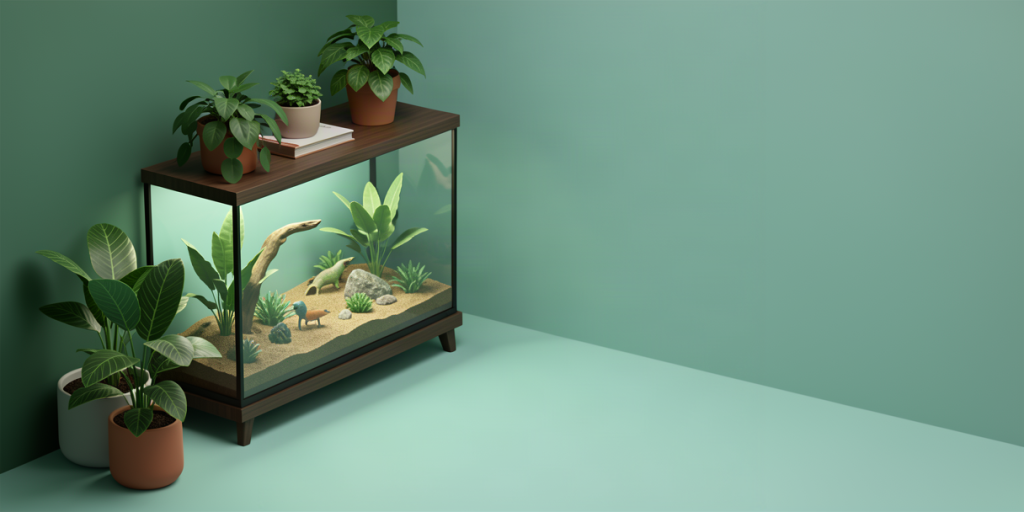
Creating a safe space for exotic animals in your home is not only about ensuring your pet’s comfort but also a crucial step towards their health and well-being. Exotic animals, such as reptiles, parrots, and various mammals, require special conditions to feel protected and happy. In this article, we will discuss how to properly organize a space so that your exotic pet can live safely and harmoniously with its environment.
It is important to consider numerous factors: from choosing the right location for the enclosure to creating the appropriate temperature and humidity. Properly designing the space will help prevent stress and provide your friend with all the necessary living conditions. Let’s go over the key points that will help you create the ideal environment for your exotic animal.
Understanding the Needs of Exotic Animals
Understanding the needs of exotic animals is a key aspect of creating a safe space in your home. First and foremost, it is essential to study your pet’s natural habitat. Each species of exotic animals has its unique requirements regarding living conditions, including temperature, humidity, and lighting levels. For example, tropical lizards require higher temperature and humidity than, say, African tortoises. Creating conditions that closely resemble their natural environment will help your pet feel comfortable and secure.
Additionally, it is important to consider the physical and behavioral characteristics of the species. Exotic animals often have specific needs for space and activity. For instance, parrots need ample room to fly, while reptiles require a terrarium with hiding spots. Ensure that your living space provides enough room for movement and activity, as well as hiding places where the animal can rest and feel safe. For example, creating different levels and shelters in the terrarium or cage will help satisfy your pet’s natural instincts.
Finally, it is important to determine the necessary conditions for the comfortable living of exotic animals. This includes not only the physical environment but also regular veterinary check-ups. Make sure your pet has a veterinary passport that confirms its health status. Don’t forget about the diet: exotic animals may have specific dietary requirements, and using the right food is essential for their health. Regular health check-ups and following veterinary recommendations can prevent many problems and ensure a long and healthy life for your exotic pet.
Creating a Safe Zone
Creating a safe zone for exotic animals in your home begins with designating a separate space where your pet can feel comfortable and secure. Keeping it separate from other household pets is an important step, as exotic animals can experience stress in the presence of more familiar animals. This will help avoid conflicts and provide your exotic friend with the necessary solitude.
When choosing a location for your exotic animal, consider its natural habitat. For example, some species require high structures for climbing, while others need more space to move around. Create an interior that closely resembles the conditions in which your pet lives in the wild. Think about what decorative elements and equipment can help your pet feel safe and comfortable.
Additionally, use only safe materials and items when setting up the zone. Avoid toxic plants, sharp objects, and chemicals that can harm exotic animals. Pay attention to the choice of bedding, aquariums or terrariums, and other accessories. All these elements should be safe and meet your pet’s needs.
It is also important to provide your exotic friend with opportunities for hiding and resting. Create cozy corners with various structures where the animal can hide if it feels threatened or tired. This will help your pet feel protected and reduce stress levels. Regularly check the environment for changes and potential dangers to ensure your ecosystem remains safe and comfortable for all its inhabitants.
Necessary Accessories and Equipment
Creating a safe space for exotic animals starts with the right selection of accessories and equipment suitable for the specific species of pet. Depending on whether you plan to keep a reptile, amphibian, or exotic bird, you need to choose the appropriate aquarium, terrarium, or enclosure. For example, a lizard may require a terrarium with adequate height and width for free movement, while an aquarium for fish is important for volume and water filtration systems.
It is also essential to provide sufficient hiding spots and climbing areas to help your pet feel secure and comfortable. For lizards and snakes, these can be special branches, rocks, or artificial plants, while for guinea pigs, they may be houses and tubes where they can hide. Hiding spots not only create coziness but also help reduce stress in animals.
Don’t forget about the lighting and heating necessary to create an optimal microclimate. Many exotic animals require a specific light spectrum for their health and a certain temperature. Install UV lamps for reptiles, which help synthesize vitamin D3, or heaters to maintain the required temperature. Ensure that the equipment meets your pet’s needs and regularly check its condition.
Also, remember that exotic animals may require a veterinary passport and other documentation. This is especially important if you plan to travel or move your pet to other regions. By providing your exotic friend with a safe and comfortable space, you will create conditions for a healthy and happy life.
Hygiene and Care
Hygiene and care for exotic animals are key aspects affecting their health and well-being. First and foremost, ensure regular cleaning of your pet’s habitat. This includes not only cleaning the enclosure or terrarium itself but also removing leftover food and feces, which will help prevent the spread of infections and parasites. Use animal-safe cleaning products and ensure that no toxic residues remain during the cleaning process.
Equally important in hygiene is maintaining the optimal microclimate in the area where the exotic animal is kept. Each animal requires specific conditions, including humidity and temperature levels. For example, many reptiles need high temperatures and specific humidity for proper metabolism. Install thermometers and hygrometers to monitor these parameters, and use heaters or humidifiers as needed.
Regular preventive veterinary check-ups also play a significant role in caring for exotic pets. The veterinarian can conduct necessary tests, assess the overall health of the animal, and identify potential diseases at an early stage. This is particularly important since exotic animals can hide signs of illness until the condition becomes serious. Don’t forget to update all necessary documents, such as the veterinary passport and certificates, if required for your pet.
All these measures will help create a safe and comfortable space for exotic animals, which, in turn, will ensure their health and long life.
Documents and Legalization
Creating a safe space for exotic animals in your home requires not only physical preparation but also proper documentation. The first step is obtaining a veterinary passport for your pet. This document confirms its health and vaccinations, which is particularly important for exotic species that may be susceptible to various diseases. The veterinary passport not only protects your animal but may also be required when traveling or interacting with veterinary institutions.
If your exotic animal belongs to species that are endangered or regulated by international agreements, you will need a CITES certificate. This certificate confirms the legality of your pet’s acquisition and its origin. It is necessary to comply with international standards and prevent the trade of rare and endangered species. Obtaining the certificate may require additional documentation, so it is important to familiarize yourself with the requirements in advance.
Furthermore, you should research local laws regarding the keeping of exotic animals. Different regions may have different requirements, and it is crucial to know what rules apply in your area. You may need to register your pet with local authorities or adhere to specific conditions of keeping. Failure to comply with these requirements can result in fines or even confiscation of the animal.
For the successful keeping of exotic animals and compliance with all necessary regulations, it is also important to consider their needs for space and living conditions. Ensure that your housing is equipped so that the animal feels comfortable and safe. This will help avoid stress for both you and your pet, as well as ensure harmonious coexistence in your home.
Psychological Comfort
The psychological comfort of exotic animals is key to their health and well-being. To provide pets with a safe space, it is important to consider their natural habits and behaviors. Exotic animals typically have unique needs that must be taken into account when creating an enriched environment. This may include installing various hiding spots, shelves, and toys that allow pets to explore and satisfy their instincts. It is also worth remembering that such an environment not only stimulates mental activity but also helps reduce stress.
Interaction with owners and other animals plays an important role in the psycho-emotional state of exotic pets. Establishing trusting relationships with the animal takes time and patience. Regular activities, such as play and training, will help strengthen the bond and create an atmosphere of calm. However, if your pet shows signs of stress or aggression, it is important to provide it with a safe place to retreat and rest.
Observing the behavior of the exotic animal will allow you to adapt its living conditions based on changing needs. If the pet becomes less active or starts showing aggression, it may indicate the need to change the environment. Pay attention to factors that may cause stress, such as noise, temperature, or proximity to other animals. Creating a comfortable space is not a static task but a dynamic process that requires your involvement and sensitivity.
In conclusion, caring for the psychological comfort of exotic animals involves creating an enriched environment, providing opportunities for interaction with the surroundings, and constantly monitoring their condition. By paying attention to these aspects, you can ensure your pet has not only a safe but also a harmonious living space.
Common Mistakes in Keeping Exotic Animals
Keeping exotic animals requires special attention and knowledge of their specific needs. One of the most common mistakes is a lack of information about the requirements of a particular species. Each exotic pet has its unique needs related to habitat, diet, and behavior. Before deciding to acquire such an animal, it is important to study its habits, behavioral characteristics, and general care requirements. Without proper preparation, one may encounter problems that negatively affect the health and well-being of the pet.
Another common mistake is ignoring the need for space for movement. Exotic animals, such as lizards, parrots, or monkeys, need significant space for an active lifestyle. Limited space can lead to stress and behavioral problems. It is necessary to create conditions for the pet that closely resemble its natural habitat, allowing it to move freely and exhibit its natural instincts. This also includes organizing hiding spots and climbing areas, which are particularly important for many species.
Improper organization of the living area can lead to a third common mistake: insufficient safety levels. Exotic animals may be more vulnerable to various external factors, such as temperature, humidity, and even the presence of other household pets. It is important to ensure that the space where the pet lives is safe and protected from potential threats. This may include reliable cages, protective barriers, and temperature control. Also, keep in mind the need for a veterinary passport and other necessary documents to avoid legal issues and ensure maximum protection for your exotic friend.
By considering these aspects, you can create a comfortable and safe space for your exotic pet, which in turn will ensure it a long and healthy life.
Care Tips for Exotic Pets
Creating a safe space for exotic animals requires not only an awareness of their needs but also a constant updating of knowledge about different species. Exotic pets have unique care and housing requirements that can vary depending on their natural habitat. Therefore, it is important to regularly read specialized materials, attend exhibitions and seminars where you can learn about the latest trends in exotic animal care. Such events will help you not only deepen your knowledge but also expand your network with other owners and experts in the field.
Communication with experienced exotic animal owners and veterinarians is also an important aspect of care. They can share practical advice and recommendations based on their own experiences. Often, it is useful to learn about the specific needs of your pet based on its particular species. For example, some animals require special lighting or temperature in their habitat, and only communication with professionals can help you better understand how to create such conditions.
Also, remember that exotic animals may have their behavioral traits that need to be considered when organizing their space. Creating a secluded corner where the pet can rest and hide from unnecessary attention is extremely important for their emotional well-being. This place should be safe and comfortable so that the animal feels protected.
Regular veterinary check-ups and having a veterinary passport are important aspects of caring for exotic pets. This guarantees not only the health of your animal but also compliance with all legal norms if your pet falls under the jurisdiction of international or local laws. By following these simple yet important tips, you can create the safest and most comfortable space for your exotic friend.
Frequently Asked Questions
What is the minimum space needed for an exotic animal?
How can I tell if my pet is comfortable?
What should I do if my exotic animal is sick?
Key Takeaways
- Study your exotic pet’s needs.
- Create a safe and comfortable living area.
- Don’t forget about hygiene and care for your pet.
- Prepare all necessary documents for legal ownership.
Sources
habinfo.ru, plitkamoscow.ru, zaycafe.ru, apps.apple.com, 24tv.ua