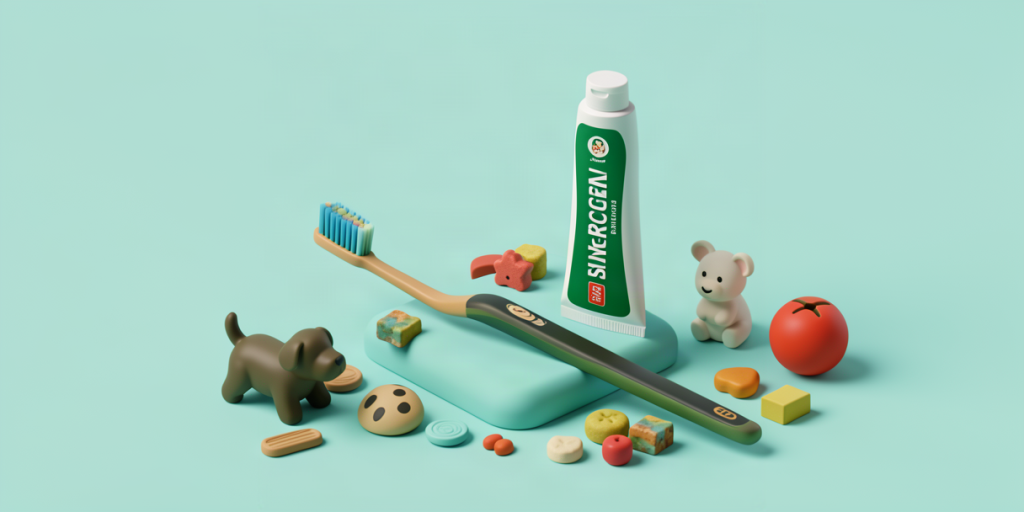
Taking care of your dog’s teeth is a crucial aspect of your pet’s health that is often underestimated by owners. Dental diseases can lead not only to unpleasant breath but also to serious health issues, including infections and organ diseases. Therefore, the question of how to properly care for your dog’s teeth is particularly relevant for responsible pet owners.
In this article, we will discuss the main recommendations for the oral hygiene of your four-legged friend. You will learn about the best ways to brush teeth, the necessary tools, and how to prevent the development of dental diseases. Proper dental care for dogs will not only improve their quality of life but also prolong it for many years.
Why Care for Your Dog’s Teeth?
Caring for your dog’s teeth is extremely important not only for maintaining their health but also for the overall well-being of your pet. Regular oral hygiene helps prevent gum disease and the buildup of tartar. Tartar, accumulating on the teeth, can lead to gum inflammation, which, in turn, can cause more serious diseases, such as periodontal disease. Neglecting dental care may result in not only tooth loss but also serious health issues related to infections.
Moreover, good dental hygiene contributes to improving the overall health of the dog. Bacteria that accumulate in the mouth can enter the bloodstream and cause problems with the heart, liver, and kidneys. Regular tooth brushing helps reduce the risk of such complications and ensures your pet a long and healthy life. Brushing teeth also aids digestion, as the dog will be able to chew its food better and absorb the necessary nutrients.
Another important aspect is the prevention of bad breath. Many dog owners face this problem, and often the cause is inadequate oral hygiene. Bad breath can cause discomfort not only for the pet but also for its owner. Regular tooth brushing and the use of special toothpaste can help eliminate this unpleasant phenomenon, giving your pet fresh breath and you peace of mind.
To effectively care for your dog’s teeth, follow these simple recommendations:
- Brush your dog’s teeth at least once a week.
- Use only special dog toothpaste, avoiding human alternatives.
- Introduce your dog to tooth brushing from an early age, so it views the procedure as normal.
- Regularly check the condition of your dog’s teeth and gums with a veterinarian.
Proper dental care for your dog is the key to its health and longevity. Do not neglect this important aspect, and your pet will delight you with its health and well-being.
How Often Should You Brush Your Dog’s Teeth?
Brushing your dog’s teeth is an important part of hygiene care for your pet. Regular cleaning helps prevent tartar accumulation, gum disease, and other oral problems. It is recommended to perform this procedure at least once a week. However, for the best results, it is preferable to brush your dog’s teeth daily. This not only helps maintain the health of the teeth and gums but also helps you establish a closer bond with your pet.
It’s best to accustom your dog to tooth brushing from an early age. The sooner you introduce your four-legged friend to this procedure, the easier and more comfortable it will be for them to accept it in the future. Start by simply touching your dog’s teeth and gums, gradually adding the toothbrush and toothpaste. Use only specialized dog toothpaste, as human products can be toxic to animals. Note that dog brushes also differ from human ones, so choose them at pet stores or veterinary pharmacies.
Here are some tips on how to properly organize the tooth brushing process for your dog:
- Choose a quiet place where your dog will feel comfortable.
- Use special dog toothpaste and brushes.
- Start with short sessions, gradually increasing the brushing time.
- Reward your dog with treats and praise after each successful procedure.
Remember that your dog’s oral health directly affects its overall well-being. Regular tooth brushing not only improves breath but also prevents many diseases. Therefore, do not forget to give this aspect of care the attention and care it deserves.
Choosing Tooth Cleaning Products
Selecting the right products for cleaning your dog’s teeth is one of the important aspects of caring for their health. First and foremost, it is essential to use only specialized dog toothpaste. These pastes are designed with the physiology and needs of pets in mind, and they do not contain toxic components that could be harmful to their health. Human toothpaste, on the other hand, may contain fluoride and other substances that, when swallowed, can cause poisoning and other serious health problems in dogs.
When choosing toothpaste for your four-legged friend, pay attention to the ingredients and flavor. Many manufacturers offer various flavors, such as chicken, beef, or mint, making the tooth brushing process more enjoyable for your pet. It is also important to consider the age and health of the dog — there may be different formulas for puppies compared to adult dogs. Regular use of specialized toothpaste will help prevent tartar buildup and maintain gum health.
Equally important is choosing the right toothbrush. It should be suitable for the size of the dog and its sensitivity. For small breeds, brushes with soft bristles and compact heads are better, while larger dogs can use brushes with stiffer bristles and larger heads. There are also special finger brushes that may be convenient for owners who prefer a more gentle approach to tooth cleaning. It is important that the cleaning process is comfortable for the animal, as this will help accustom it to regular hygiene procedures.
It is recommended to start brushing your dog’s teeth at an early age so that it becomes accustomed to this procedure and sees it as a normal part of care. Consistency is key to success, so try to brush your pet’s teeth at least once a week. This will help maintain oral health and prevent the development of dental diseases.
Methods for Brushing Dogs’ Teeth
Brushing dogs’ teeth is an important part of caring for your pet that helps prevent the development of dental diseases and maintain the health of teeth and gums. Regular tooth brushing should be conducted at least once a week. The most effective method is to use a specialized toothbrush and toothpaste designed for dogs. These pastes have a pleasant taste and do not contain harmful components that may be found in human toothpaste.
Start by getting your dog accustomed to this procedure from an early age. Use a soft brush to avoid damaging the gums. Begin by simply holding the brush in your pet’s mouth, then gradually add movements that mimic brushing. It’s important to be patient and reward your dog for good behavior so that it associates the process with positive emotions.
If you are unable to accustom your dog to the toothbrush, there are alternative methods. One of them is using gauze pads or bandages. Wrap a piece of gauze or bandage around your finger, moisten it with toothpaste, and gently wipe your dog’s teeth and gums. This method also helps remove plaque, although it is less effective than using a brush.
Additionally, there are special toys and treats on the market designed for cleaning teeth. These products help mechanically clean teeth from plaque and massage the gums, which also contributes to reducing the risk of diseases. The toys can have various textures, making the cleaning process more interesting for your pet. Treats that contain ingredients promoting oral hygiene can also be a great addition to regular care.
- Regular tooth brushing — at least once a week.
- Use special toothpaste for dogs.
- Accustom your dog to brushing from an early age.
- Gauze pads as an alternative method.
- Special toys and treats for additional hygiene.
Preventing Dental Diseases
Preventing dental diseases in dogs is an important part of overall pet care. Regular visits to the veterinarian can help identify problems at early stages and prevent the development of serious diseases. A veterinarian can assess the condition of the teeth and gums and offer individual care recommendations. Remember that prevention is always easier and cheaper than treatment.
One effective way to maintain dental health is to enrich your dog’s diet with special foods that promote tooth cleaning. These foods contain ingredients that help remove plaque, reducing the risk of tartar formation. There are also treats and toys designed for dental cleaning during play. They not only promote hygiene but also allow your pet to have fun.
It is important to avoid feeding your dog soft and sweet foods. Such products contribute to plaque buildup and the development of bacteria in the mouth. It’s better to choose food with a high fiber content, which helps mechanically clean teeth while chewing. If you opt for soft foods, try to combine them with chewy treats to minimize risks.
Additionally, do not forget about regular tooth brushing. This should be done at least once a week, using special toothpaste for dogs. Human toothpaste may contain substances that are dangerous for animals. Accustom your dog to this procedure from an early age so that it sees tooth cleaning not as a stress but as part of daily care.
By incorporating these simple yet effective measures into your daily routine, you can significantly improve your pet’s dental health and prolong its well-being for many years.
What to Do If Your Dog Has Dental Problems?
If you notice that your dog is experiencing dental problems, do not delay a visit to the veterinarian. Dental diseases can manifest as pain, inflammation, bad breath, or changes in appetite. These symptoms may indicate more serious problems, such as periodontitis or tartar, which require professional diagnosis and treatment. The sooner you seek help, the quicker you can alleviate your pet’s discomfort and prevent complications.
When visiting the veterinarian, it is important to provide complete information about your dog’s condition, including any changes in behavior, food, and habits. The veterinarian will examine the oral cavity and may recommend additional tests, such as X-rays. Based on the data obtained, the veterinarian will be able to recommend the most suitable treatment, which may include tooth cleaning, tartar removal, or even surgery in cases of serious diseases.
After the dental problems are resolved, follow the veterinarian’s recommendations for caring for your dog’s teeth. Regular dental hygiene is a key aspect of prevention. It is recommended to brush your pet’s teeth at least once a week, using specialized toothpaste for dogs, as human pastes can be toxic to animals. Also, it is advisable to accustom your dog to this procedure from an early age so that it views dental care as normal.
Additionally, you can include special chewy treats and foods in your dog’s diet that promote dental health. This will help reduce plaque and tartar formation. Don’t forget regular check-ups with the veterinarian, which will help identify and address dental problems in a timely manner.
- Pay attention to symptoms: pain, inflammation, bad breath.
- Do not delay a visit to the veterinarian at the first signs of a problem.
- Follow dental care recommendations and regularly brush your dog’s teeth.
- Include chewy treats in the diet to prevent dental diseases.
Helpful Tips for Dental Care
Regular dental care for your dog is an important aspect of its health that should not be ignored. To accustom your pet to this procedure, start with short sessions, gradually increasing their duration. In the first few days, you can simply hold the toothbrush near the dog, allowing it to sniff and explore the object. This will help create a positive attitude toward the tooth brushing process. Remember that patience and gradualness are key factors in this matter.
Do not forget about rewards. It’s important to reward your pet for good behavior during brushing. This can be a tasty treat or praise. Such positive associations will help the dog perceive the procedure as an enjoyable activity rather than a chore. If your dog understands that it receives something good for tooth brushing, it will become calmer and more receptive to the process.
Maintaining a hygiene routine also plays an important role. Try to brush your dog’s teeth at the same time every day or at least several times a week. This will help create a habit and make the process more routine and comfortable for both you and your dog. Use only specialized toothpaste designed for animals, as human toothpaste can be harmful to their health. Additionally, choose a brush that is suitable for the size of your pet.
Some owners prefer to use gauze pads or bandages, wrapping them around their fingers and moistening them with toothpaste. This can be a more convenient way to start, especially if your dog is not used to a brush. The main thing is to do this regularly and with care to ensure your pet has a healthy and beautiful smile throughout its life.
Frequently Asked Questions
How to choose toothpaste for a dog?
Can I brush my dog’s teeth with regular toothpaste?
How to accustom a dog to tooth brushing?
What to do if my dog has bad breath?
How often should I check my dog’s teeth?
Key Takeaways
- Regular dental care prevents diseases.
- Tooth brushing should be part of the daily routine.
- Only use safe cleaning products.
Sources
bestpet.com.ua, blog.zootovary.ua, kostochkaspb.ru, masterzoo.ua, vet.4lapy.ru