Exotic birds are becoming increasingly popular pets, and it’s no wonder — their vibrant plumage and unique sounds can brighten any home. However, caring for exotic birds requires special attention and knowledge of their health specifics. Understanding the fundamental aspects of your feathered friends’ health will not only help maintain their vitality but also ensure a long and happy life alongside you.
Proper care involves not only creating comfortable living conditions but also regular veterinary check-ups, balanced nutrition, and attention to the birds’ mental well-being. In this article, we will discuss key points that will help you ensure the health and well-being of your exotic pets, and we will share tips for their care so you can enjoy interacting with them for many years to come.
Creating a Comfortable Living Environment
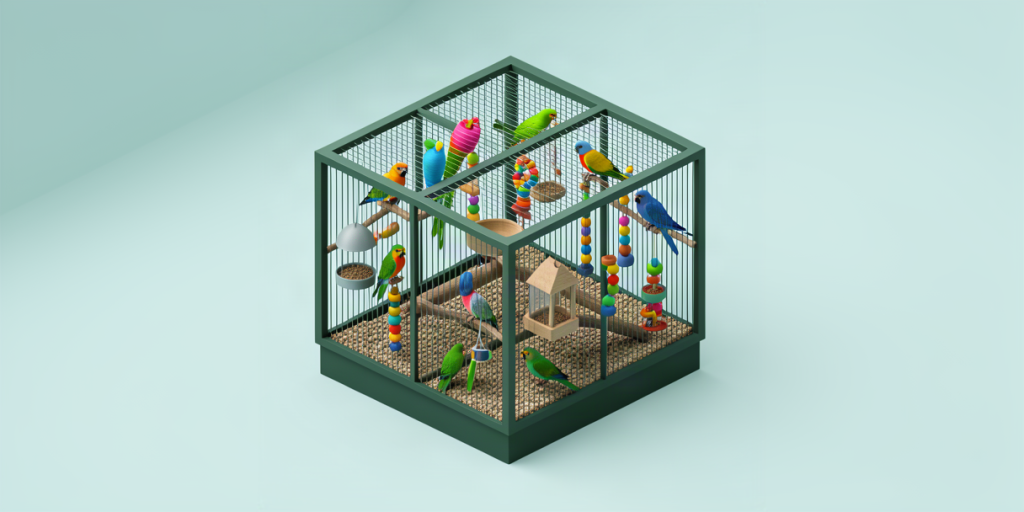
Creating a comfortable living environment for exotic birds is a crucial aspect of their health and well-being. When choosing a cage, consider the size and needs of the specific species. For instance, parrots and canaries require more space for flying and active movement, so their cages should be large enough. It’s also important that the cage has various levels and perches for sitting, allowing the birds to express their natural activity and avoid boredom. Don’t forget about the placement of the cage: it should be in a location where the birds can interact with their surroundings and not feel isolated.
Temperature and humidity in the room also play a key role in creating a comfortable environment. Most exotic birds prefer a temperature range of 20 to 25 degrees Celsius, and humidity levels should be between 40-60%. It’s essential to avoid sharp temperature fluctuations and drafts, as these can adversely affect the birds’ health. To maintain optimal conditions, you can use air humidifiers or special thermostats to help control the room’s climate.
When setting up the cage, pay attention to the use of natural materials. Wooden perches and toys made of natural materials are not only safe for birds but also contribute to their physical and psychological development. Artificial materials may release harmful substances, so it’s important to choose items that won’t harm your pets. Additionally, regular cleaning of the cage and disinfection will help prevent the accumulation of bacteria and parasites, which is also an important part of caring for exotic birds.
Thus, creating a comfortable environment for exotic birds requires attention to detail and an understanding of their natural needs. By paying proper attention to cage selection, temperature and humidity control, and using natural materials, you can ensure your feathered friends lead a healthy and happy life.
Balanced Nutrition
Balanced nutrition for exotic birds plays a key role in their health and longevity. Like all living beings, exotic birds require a varied and complete diet that includes fresh fruits and vegetables. These foods not only enrich their diet with vitamins and minerals but also help maintain optimal moisture levels in their bodies. Fruits such as apples, pears, bananas, and citrus fruits, as well as vegetables like carrots, spinach, and broccoli, should make up a significant portion of their diet. They are not only tasty but also beneficial for the birds’ health.
In addition to fresh produce, it’s important to provide access to specialized feeds for exotic birds, which contain all the necessary nutrients in optimal proportions. These feeds are often formulated with the species’ and birds’ age in mind and can include seeds, pellets, and other supplements. When choosing feed, pay attention to its composition and the presence of vitamins such as vitamin D3 and calcium, which are particularly important for maintaining bone strength. Regularly updating the feed and carefully monitoring its freshness can help avoid health issues related to nutrient deficiencies or excesses.
Equally important is the regular check of vitamins and minerals in the diet. Exotic birds can suffer from various diseases caused by nutrient deficiencies, so owners should pay attention not only to the quantity but also to the quality of the food. Regular veterinary check-ups can help identify potential issues at early stages and adjust the diet according to the specialist’s recommendations.
In conclusion, balanced nutrition for exotic birds is a comprehensive process that involves food variety, the use of specialized feeds, and monitoring vitamin and mineral content. By ensuring the proper nutrition of their feathered friends, owners contribute to their health, vitality, and longevity.
Regular Health Check-ups
Regular health check-ups for exotic birds play a key role in their well-being and longevity. The first step in maintaining your feathered friend’s health is scheduling routine veterinary visits for preventive examinations. These check-ups allow for the early detection of potential problems when treatment can be more effective. The veterinarian will assess the bird’s overall condition, check its weight, feather condition, and look for signs of stress or illness. It is recommended to conduct such examinations at least once a year, and for species particularly sensitive to diseases — more frequently.
Observing the bird’s behavior and feather condition is also an important aspect of care. Exotic birds may display changes in behavior, such as decreased activity or changes in eating habits, which may indicate health problems. The feathers should be bright and shiny; any changes, such as feather loss or bald spots, require careful consideration. Birds may also exhibit signs of stress, such as aggressive behavior or excessive vocalization. It’s important to monitor these changes closely and consult a specialist if necessary.
Checking for parasites and infections is another important step in maintaining the health of exotic birds. Birds can be susceptible to various parasitic infections that can negatively impact their health. Regular testing for worms and external parasites such as mites and fleas can help prevent the development of serious diseases. The veterinarian may recommend preventive treatments and vaccinations to protect your bird from common infections.
Thus, regular health check-ups for exotic birds include not only veterinary visits but also careful observation of behavior and feather condition, as well as the prevention of parasitic infections. These measures will help ensure your feathered friend enjoys a long and healthy life.
Disease Prevention
Disease prevention for exotic birds is an important aspect of their care and health. Regular disinfection of the cage and equipment helps prevent the spread of infections and parasites. Use bird-safe disinfectants and don’t forget to thoroughly clean feeders and waterers. Pay attention to the condition of the cage: it should be clean and well-ventilated. Periodic replacement of bedding also contributes to creating a comfortable and safe environment for your pet.
Avoiding contact with sick birds is another key element of prevention. If you plan to introduce your pet to other birds, ensure they are healthy. When acquiring a new bird, it’s advisable to keep it in quarantine for 2-4 weeks to eliminate the possibility of disease transmission. Additionally, it’s important to monitor your pet’s behavior and condition. If there are any signs of illness, such as decreased activity, changes in appetite, or unusual sounds, consult a veterinarian.
Maintaining a light and dark cycle also plays a significant role in the health of exotic birds. Birds need a certain number of hours of light and darkness to maintain their biological rhythms. Ideally, they should receive 10-12 hours of light per day, which helps prevent stress and improves overall well-being. Using full-spectrum light bulbs can aid in the synthesis of vitamin D3, which is particularly important for bone health.
In conclusion, disease prevention for exotic birds requires a comprehensive approach that includes regular disinfection, caution when interacting with other birds, and adherence to a lighting schedule. Caring for your feathered friend’s health will allow them to live a long and happy life.
Physical Activity and Socialization
Physical activity and socialization for exotic birds play a key role in their health and well-being. Providing space for flight and play allows birds to express their natural instincts, which is essential for their physical and mental development. A spacious cage or aviary should be large enough for the bird to move freely and contain elements that promote active engagement, such as perches of various shapes and heights. Regular outings outside the cage, under the owner’s supervision, help maintain physical fitness and prevent obesity, which can become a serious problem for exotic birds.
Using toys for mental stimulation is also an important aspect of caring for exotic birds. The toys should be diverse: from simple constructions that the bird can dismantle to more complex ones that require problem-solving. This helps develop cognitive abilities and prevents boredom, which can lead to stress and aggressive behavior. Toys with mirrors, sound effects, or moving parts are particularly interesting to birds and can keep them engaged for extended periods.
Additionally, stimulating interaction with other birds or humans is crucial for the socialization of exotic pets. Birds are social creatures and need interaction to maintain psychological health. Communicating with their owner or other birds helps develop social skills and strengthen emotional bonds. It’s important to remember that each bird is unique, and some may require more attention and interaction than others.
Thus, creating conditions for physical activity and socialization for exotic birds is not only about caring for their health but also about making their lives richer and more interesting. Caring owners who understand their pets’ needs can significantly enhance their quality of life and strengthen their bond.
Psychological Needs of Exotic Birds
The psychological needs of exotic birds play a vital role in their overall well-being and health. These animals, like any other pets, require an environment that closely resembles their natural habitat. It is important to provide exotic birds with opportunities to exhibit natural behaviors, including flying, foraging, social interaction, and play. To achieve this, spacious cages should be created where they can move freely, as well as a variety of toys and elements that encourage physical activity, such as perches of different diameters and climbing structures.
Preventing boredom is another important aspect to consider when caring for exotic birds. These animals are very curious and need various forms of activity to maintain mental stimulation. It is recommended to provide them with opportunities to interact with different objects that they can explore and manipulate. For example, toys that require the birds to solve problems or special feeding activities where food is hidden in different places encourage them to be active and resourceful.
It is also essential to provide secluded areas for rest and sleep. Exotic birds are generally sensitive to stress and may feel uncomfortable in noisy environments or when there is a lack of cover. Therefore, it is important to create cozy corners in the cage or room where they can retreat, rest, and recharge. These can be small houses, shelters made from natural materials, or special perch covers that give them a sense of security.
In conclusion, caring for the psychological needs of exotic birds is an integral part of their care. By focusing on creating a comfortable and stimulating environment, owners can significantly improve their feathered pets’ quality of life, which will positively impact their health and longevity.
Specific Care for Different Bird Species
Different species of exotic birds require an individualized approach to care and maintenance. Each species has its characteristics that need to be considered to provide the pet with comfortable living conditions. For example, parrots thrive in active social environments and require dietary variety, while canaries prefer a calmer setting and a simpler diet. Knowing the needs of a specific bird allows for the creation of an optimal environment, significantly contributing to its health and longevity.
One of the key aspects of caring for exotic birds is maintaining the correct temperature and humidity levels. Many species, such as Amazons or macaws, originate from tropical regions and require higher temperatures and humidity than, say, common sparrows. Installing thermometers and hygrometers in the cage will help monitor these parameters and make timely adjustments. Bird care also includes regular checks of their feathers and beaks, which can be indicators of overall health.
It’s also important to keep in mind that exotic birds are often susceptible to stress, so creating a calm atmosphere for them is essential. It is beneficial to place the cage in a quiet location, away from loud noises and bright lights. Equally important is providing birds with physical activity — this can be organized through toys and special climbing structures. Proper nutrition, including vitamins and minerals, also plays a significant role in maintaining the health of exotic birds.
In conclusion, caring for exotic birds requires attentiveness and a deep understanding of their needs. Following care recommendations will not only help maintain your pet’s health but also establish a trusting relationship with them.
Responsibility of Exotic Bird Owners
Caring for exotic birds requires their owners not only to have love and care but also to be aware of all aspects related to ensuring their health and well-being. First and foremost, owners must be prepared to create a habitat that closely resembles the natural conditions for these birds. This includes proper lighting, temperature, and humidity levels that meet the specific species’ requirements. Additionally, it is necessary to consider their dietary needs and requirements for vitamins and minerals. Regular health checks and disease prevention are also essential, which requires constant attention and responsibility from the owner.
The responsibility of exotic bird owners also includes readiness for long-term commitments. Many species of birds can live for decades, and their care requires not only financial costs but also emotional resources. Providing quality nutrition, regular veterinary visits, and creating conditions for physical activity and mental stimulation are all part of the obligations that an owner takes on. Birds, being social creatures, require interaction and engagement, making their care even more challenging.
To be a good owner of an exotic bird, one must actively seek information and consult with veterinarians experienced in working with such pets. This will help avoid common mistakes in care and ensure a healthy and happy life for your pet. Owners should be prepared to study each species’ specifics, its behavior, and needs to create optimal living conditions.
In conclusion, the responsibility of exotic bird owners includes:
- Creating and maintaining an optimal living environment;
- Providing balanced nutrition;
- Regular veterinary check-ups and disease prevention;
- Long-term commitments to care and attention;
- Seeking and using verified information about bird care.
Thus, being aware of all these aspects will help exotic bird owners ensure their health and longevity.
Frequently Asked Questions
What cage should I choose for my exotic bird?
How often should I check my bird’s health?
What should I do if my bird looks sick?
How can I ensure my bird gets physical activity?
What diet is best for exotic birds?
Key Takeaways
- Creating a comfortable living environment is key to the bird’s health.
- Balanced nutrition and regular health check-ups are essential.
- Ensuring physical activity and socialization is important for mental health.
- Each species of exotic bird requires an individualized approach.
Sources
vetklinika79.ru, vetprofi.by, vetcentr-serpukhov.ru, glavnoehvost.by, dogeat.ru