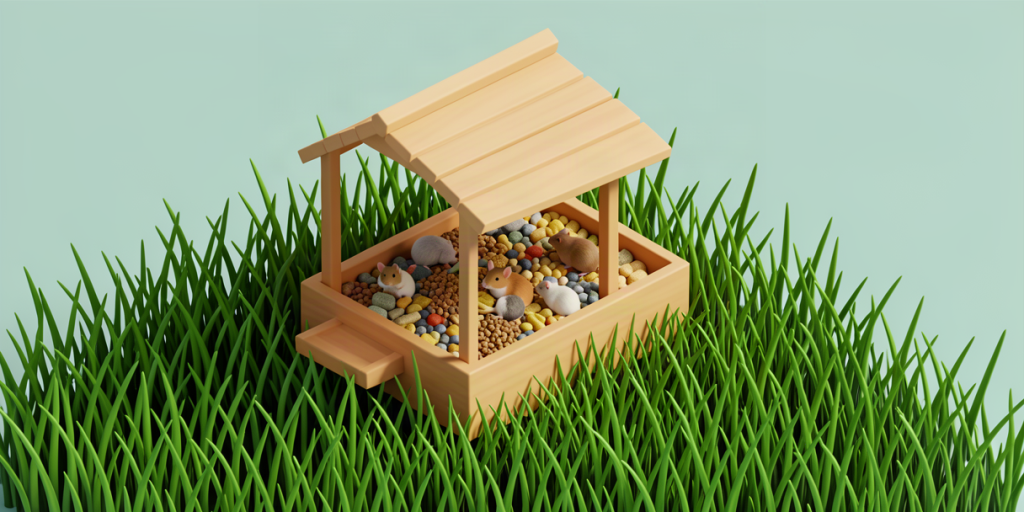
Feeding exotic rodents is an important aspect of their care that directly affects the health and well-being of your pet. These unusual animals, such as chinchillas, porcupines, and guinea pigs, have specific nutritional needs that must be considered when formulating their diet. Improper or unbalanced nutrition can lead to serious health problems, so it is crucial to know the basic requirements and recommendations to ensure your exotic pet has a long and happy life.
In this article, we will discuss the components that should be included in the diet of exotic rodents, as well as share useful tips on choosing food and natural supplements. If you want to provide the best living conditions for your pet, familiarize yourself with our recommendations and learn how to properly organize the nutrition of your exotic friend.
Basics of Feeding Exotic Rodents
The diet of exotic rodents requires careful attention to ensure the health and activity of the pet. Their diet primarily consists of hay, grain mixtures, and fresh vegetables. Hay is an important source of fiber necessary for normal digestion. It helps prevent various diseases, such as constipation and metabolic disorders. Grain mixtures, which contain a variety of cereals and grains, provide the animals with carbohydrates and proteins; however, they should be given in moderation to avoid obesity. Fresh vegetables, such as carrots, spinach, broccoli, and bell peppers, enrich the diet with vitamins and minerals essential for supporting the immune system.
Vitamins and minerals also play an essential role in the diet of exotic rodents. This is especially relevant for guinea pigs, which require vitamin C since their bodies cannot synthesize it independently. Additionally, attention should be paid to B vitamins and vitamin D, as they contribute to proper metabolism and the health of the skin and fur. Owners should remember that a deficiency in these vitamins can lead to serious health issues, so it is important to use special feeds enriched with the necessary supplements.
Diversity in diet is another key aspect that should not be ignored. Exotic rodents, like any other animals, can become bored with a monotonous diet. Including new types of vegetables and fruits not only enriches their menu but also makes mealtime more interesting. However, any new additions should be introduced gradually to avoid digestive upset. It is also important to avoid sweet and spoiled foods that can negatively affect the health of your pet.
Thus, a balanced diet for exotic rodents includes a variety of components that meet their nutritional needs and promote a long and healthy life.
Feeding Specific Types of Rodents
Feeding exotic rodents requires special attention, as each species has its unique needs. Let’s take a closer look at the dietary features for guinea pigs, rats, hamsters, and degus.
Guinea pigs are among the most popular pets among exotic rodents. Their bodies cannot synthesize vitamin C, so it must be added to their diet. A deficiency of this vitamin can lead to serious diseases. The diet of guinea pigs consists mainly of fresh vegetables, hay, and specialized grain mixtures. It is important to avoid sugary products and be cautious of spoiled food, as this can cause digestive disorders.
As for rats and hamsters, they have different preferences in food. Rats are omnivorous and can eat both grain mixtures and fresh fruits and vegetables. However, it is important to remember that some foods, such as onions and garlic, are toxic to them. Hamsters, on the other hand, prefer a more varied diet that includes seeds, nuts, and small portions of fresh vegetables. It is also important to monitor the quality of the food and avoid overly sweet and fatty products.
Degus, which are less known but also popular exotic rodents, have their unique dietary requirements. These animals need a high fiber content, so their diet should consist of hay and special sugar-free pellets. Additionally, degus need to limit the amount of fruits and vegetables, as their digestive systems do not tolerate high sugar content. It is crucial to ensure that degus always have access to fresh water, which is also an integral part of their health and well-being.
Choosing Food for Exotic Rodents
Choosing the right food for exotic rodents is an important step in ensuring their health and well-being. The first thing to pay attention to when purchasing food is the label on the packaging. Reading the ingredients will inform you about the content of important nutrients. Foods for rodents should contain hay, grains, and vegetables. For example, guinea pigs require vitamin C, which they cannot synthesize independently. This means that when selecting food, it is important to identify its composition for the presence of this vitamin and other necessary elements.
Feed mixtures have their advantages and disadvantages. On one hand, they provide balanced nutrition, which is especially important for exotic species whose needs may differ from those of common domestic rodents. On the other hand, some mixtures may contain additives or preservatives that are not always beneficial for your pet’s health. Therefore, it is important to choose high-quality food from reputable manufacturers that consider the specific needs of each species.
When deciding between commercial food and homemade nutrition, it is important to remember that commercial foods are often developed with all the needs of rodents in mind, while homemade mixtures may lack essential vitamins and minerals. If you decide to feed your rodent homemade food, be sure to consult a veterinarian about the proper diet. This will help avoid nutritional deficiencies and related health problems.
When formulating the diet for exotic rodents, it is essential to remember diversity. In addition to the main food, you can introduce fresh vegetables and fruits, but be cautious of sweet and spoiled products. Regularly changing the diet will help maintain your pet’s interest in food, which in turn supports their activity and health.
Supplements and Treats: What to Consider
Supplements and treats play an important role in the diet of exotic rodents, but their selection requires special attention. Proper supplements can significantly enrich pets’ diets by providing them with the necessary vitamins and minerals. For example, it is extremely important for guinea pigs to have vitamin C, which they are unable to synthesize themselves. Therefore, it is necessary to ensure that their diet includes supplements containing this vitamin. However, it is important to remember that overindulgence in supplements can lead to undesirable consequences, such as an excess of certain substances, which can negatively affect the health of the rodent.
When selecting treats for exotic rodents, it is advisable to choose natural and safe products. Ideal options include dried herbs, root vegetables, or hay-based treats. It is important to avoid products with added sugars, colorings, and preservatives, as they can cause digestive issues and adversely affect the overall health of your pet. Owners should carefully study the composition of treats, paying attention to the presence of artificial ingredients, and choose only those that are suitable for the specific species of rodent.
Additionally, it is essential to monitor the freshness of the food. Consuming spoiled products can lead to poisoning and other serious diseases. Therefore, it is recommended to store treats in airtight packaging and in a cool, dry place, as well as regularly check expiration dates. This is particularly relevant for exotic rodents, as their bodies may be more sensitive to food quality.
Thus, when adding treats and supplements to the diet of exotic rodents, it is necessary to consider their individual needs, avoid harmful ingredients, and monitor the freshness of the products. A proper approach to nutrition will help maintain the health and well-being of your pets.
Common Mistakes in Feeding Exotic Rodents
Errors in feeding exotic rodents can significantly impact their health and overall well-being. One of the most common mistakes is abruptly changing the food. Many owners, eager to diversify their pets’ diets, immediately offer them new products without considering that rodents require a gradual transition. This can cause digestive disturbances and stress in the animal. It is recommended to mix the new food with the old one for several days to allow the body to adapt to the changes.
A deficiency in vitamins and minerals is also a frequent problem. Exotic rodents, such as guinea pigs, require special attention to the presence of vitamin C in their diet, as their bodies cannot synthesize it independently. If this vitamin is not consumed in sufficient quantities, it can lead to serious health consequences, including problems with teeth, skin, and the immune system. Owners should carefully monitor that their pets’ diets include fresh vegetables and special supplements containing the necessary micronutrients.
Overeating is another common mistake that can lead to obesity and other serious health issues. Rodents tend to overeat, especially if their diet consists mainly of high-calorie foods. It is important to control the amount of food as well as avoid treats that contain high levels of sugar and fats. It is recommended to offer food in small portions several times a day, so the pet does not feel hungry but also does not overeat.
In conclusion, proper feeding of exotic rodents requires attention and knowledge. It is essential to avoid abrupt changes in the diet, monitor vitamin and mineral levels, and control food quantities to ensure the health and longevity of your pets.
Care and Feeding Recommendations
Properly introducing new food into the diets of exotic rodents is an important step that requires special attention. New products should be introduced gradually to avoid digestive upset. It is recommended to start with a small amount of new food, mixing it with the old. This will allow the pet to adapt to the changes in diet, while the owner can monitor the animal’s response. If any negative health changes occur, such as diarrhea or refusal to eat, it is best to consult a veterinarian.
Regularity and feeding schedules also play a significant role in the health of exotic rodents. Most of these animals feel best with a regular routine. Typically, it is recommended to feed pets twice a day while providing access to fresh hay and clean water. Ensure that the portions are appropriate for the size and species of your rodent. For example, guinea pigs require special attention to vitamin C, which can be obtained from fresh vegetables and specialized food.
The living conditions of exotic rodents directly affect their nutritional needs. For instance, rodents living in spacious cages with opportunities for active movement may require more food than those in confined spaces. It is also important to consider the temperature of the environment: on hot days, animals may require more water and fresh vegetables, while in colder weather, the focus should be on the nutritional value of the food.
In conclusion, it is essential to remember that proper care and balanced nutrition are keys to the health and longevity of exotic rodents. Owners should pay attention not only to the quality of the food but also to the living conditions of their pets to ensure their comfort and well-being.
Health and Nutrition: How They Are Related
Proper nutrition for exotic rodents is crucial for their health and well-being. A balanced diet consisting of hay, grain mixtures, and fresh vegetables not only provides the pet with necessary nutrients but also helps prevent many diseases. For example, a deficiency of vitamin C, especially in guinea pigs, can lead to serious health problems, including dental and immune system disorders. Owners should carefully monitor their pets’ diets and avoid adding sweet and spoiled products that can adversely affect their condition.
Symptoms of poor nutrition can manifest in various ways. Rodents may become less active, experience fur problems, or have digestive disturbances. If you notice that your pet has become less playful or its appetite has changed, this may signal that its diet needs to be reviewed. It is important not to delay a visit to the veterinarian if symptoms persist, as early diagnosis can save your rodent’s life.
Additionally, an important aspect of the health of exotic rodents is vitamin D. Its deficiency can negatively impact the condition of bones and overall health of the animal. Vitamin D is produced in the body under the influence of sunlight, so owners should ensure their pets have access to natural light or use special lamps if outdoor access is not possible. This is especially important in winter when there is not enough sunlight.
By following simple recommendations for proper nutrition and providing your rodents with necessary vitamins and sunlight, you can significantly enhance the quality of life of your pets and prevent many potential diseases. Take care of the health of your exotic friends, and they will respond with gratitude and love.
Conclusion: The Importance of Balanced Nutrition
In conclusion, the nutrition of exotic rodents plays a key role in their health and well-being. A balanced diet consisting of hay, grain mixtures, fresh vegetables, and fruits provides their bodies with all the necessary nutrients, vitamins, and minerals. It is especially important to note that some species of rodents, such as guinea pigs, require additional sources of vitamin C, as their bodies are unable to synthesize it. Improper or unbalanced nutrition can lead to serious diseases and decrease the quality of life of the pet.
It is important to remember that each species of rodent has its unique nutritional needs. Therefore, before formulating a diet, it is advisable to consult a veterinarian who can provide professional recommendations based on the individual characteristics of your pet. A veterinarian can also help avoid common mistakes, such as introducing too many sweet or spoiled products into the diet, which can negatively affect the health of the animal.
Moreover, owners of exotic rodents should continually update their knowledge about their pets’ needs. Scientific research and recommendations for care and feeding are regularly updated, making education especially important. Using specialized foods available in pet stores, as well as observing your pet’s reaction to a new diet, will help create optimal living conditions for it.
In conclusion, caring for the nutrition of exotic rodents is not only a matter of comfort but also a guarantee of their health and longevity. By providing your pet with a balanced diet and regular veterinary support, you can enjoy its active and happy life.
Frequently Asked Questions
What food is best for guinea pigs?
Can rodents have treats?
How often should exotic rodents be fed?
Key Takeaways
- A balanced diet is key to the health of exotic rodents.
- Each species of rodent has its unique feeding requirements.
- Regular consultations with a veterinarian help avoid feeding mistakes.
Sources
dom.mail.ru, zoovet.ru, glavnoehvost.by, vetworkshop.ru, gomeovet.ru