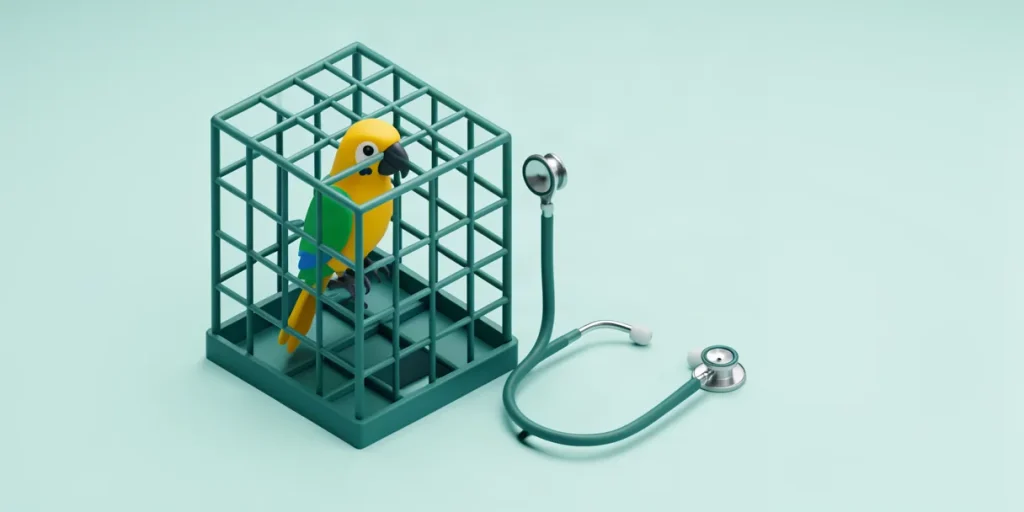
Pet birds require special attention and proper care to maintain their health and vitality. Unfortunately, many owners make common mistakes that lead to illnesses and reduced quality of life for their pets. In this article, a veterinarian explains the most frequent errors in feeding, hygiene, and housing of birds and provides recommendations on how to prevent them.
Improper Feeding: The Main Cause of Problems
One of the most widespread mistakes is an unbalanced diet. A lack of vitamins and minerals, as well as a monotonous menu, leads to vitamin deficiencies and metabolic disorders. For example, calcium deficiency in parrots often causes bone problems and issues with egg laying.
Key Feeding Mistakes
- Using only grain mixes without vegetables and fruits;
- Lack of specialized vitamin supplements such as “Vitapol” or “ZooVit”;
- Overfeeding with sugary or fatty foods, which can cause obesity and liver disease;
- Ignoring the need for clean drinking water, changed at least once a day.
The price of a quality vitamin supplement ranges from 450 to 900 rubles per package, which is significantly less than potential treatment costs for diseases caused by improper nutrition.
Hygiene and Sanitation: An Underestimated Aspect of Care
Poor hygiene is another common mistake that leads to bacterial and fungal infections. Birds kept in dirty cages are prone to respiratory diseases and skin inflammations.
Hygiene Recommendations
- Daily cleaning and disinfection of the cage using safe products;
- Regular bedding changes, recommended every 3-5 days;
- Ventilating the room to reduce humidity and prevent mold;
- Cleaning feeders and waterers after each use.
Disinfectants, such as “Disinfect-1” produced by a Russian factory, cost about 300 rubles per liter and provide long-lasting protection against pathogens.
Lack of Regular Veterinary Check-Ups
Many owners do not realize the importance of regular veterinary visits. Scheduled check-ups help detect diseases at early stages and adjust care accordingly.
Frequency and Cost of Examinations
- It is recommended to have a bird examined at least once every 6 months;
- The cost of a basic exam at the “PtitsaDok” veterinary clinic in Moscow ranges from 1500 to 2500 rubles;
- If needed, laboratory blood and fecal tests are prescribed, costing between 800 and 2000 rubles.
Regular monitoring helps prevent chronic diseases and reduces the risk of fatal outcomes.
Improper Space Arrangement and Housing Conditions
The lack of a comfortable and safe space for birds leads to stress and weakened immunity. Often, owners place cages in areas with sharp temperature fluctuations or drafts.
Criteria for Proper Setup
- Optimal air temperature — from 18 to 24 degrees Celsius;
- The cage should be at least 60×40×50 cm for medium-sized parrots, providing enough space for flying and playing;
- Avoid direct sunlight and drafts;
- Use safe toys and perches made of natural wood;
- Regular replacement of bedding and disinfection of accessories.
| Breed | Minimum Cage Size (cm) | Recommended Temperature (°C) | Cage Cost (₽) |
|---|---|---|---|
| Lovebirds | 50×30×40 | 20-24 | from 1500 |
| Budgerigars | 60×40×50 | 18-22 | from 2500 |
| Cockatoos | 90×60×80 | 20-24 | from 7000 |
Ignoring Signs of Illness
Owners often fail to notice or underestimate early symptoms of diseases: lethargy, loss of appetite, changes in feather color. Such signs require immediate veterinary attention.
Key Symptoms to See a Vet
- Decreased activity and refusal to eat for more than 24 hours;
- Breathing difficulties — wheezing, rattling;
- Feather loss or noticeable skin changes;
- Changes in feces color and discharge from the nose or eyes.
Timely treatment reduces the risk of complications and saves the bird’s life.
- 40% of pet bird illnesses are linked to improper feeding;
- 25% of owners do not clean cages regularly;
- Once every 6 months — recommended frequency of veterinary visits;
- 1500–7000 ₽ — price range for specialized cages for birds of different sizes;
- 300 ₽ — average price of a disinfectant for cages.
Frequently Asked Questions
How often should the water in a bird’s waterer be changed?
Can regular human vitamins be used?
How to tell if the cage is too small?
Which toys are safe for birds?
Key Takeaways
- Balanced nutrition and vitamin supplements are vital for bird health.
- Regular cage hygiene reduces infection risks.
- Scheduled veterinary check-ups at least twice a year are essential.
- Comfortable living conditions affect pet behavior and immunity.
- Early detection of disease symptoms saves the bird’s life.
Proper care for pet birds is the key to their health and longevity. By avoiding common mistakes, owners can provide their pets with comfortable conditions, complete nutrition, and timely medical care. This will not only improve the quality of life for the birds but also allow owners to enjoy their activity and beauty for many years.
Sources
- life.ru — “Mistakes in Pet Care That Cause Problems”
- mke.ee — “Hamsters, Rabbits, Birds: Common Owner Mistakes”
- profile.ru — “5 Common Mistakes in Cat Care”
- gomeovet.ru — “Bird Diseases: Signs and Symptoms — Homeovet”
- dralexstrelkov.ru — “Veterinarian Video Blog: Cats, Dogs, Rodents, Birds”