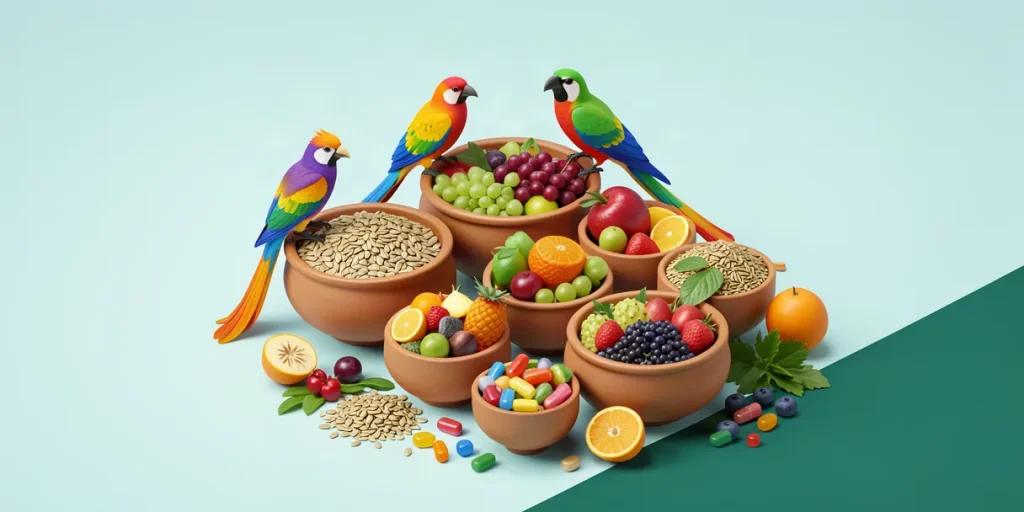
Introduction: Why Proper Nutrition for Exotic Birds Is Critical
Exotic birds require a strictly balanced diet that takes species-specific needs into account. Incorrect feeding leads to obesity, vitamin deficiencies, and serious illnesses. In 2026, veterinary clinics report that up to 45% of exotic bird cases are related to feeding mistakes. Proper diet is the key to longevity: the average lifespan of macaws with balanced nutrition reaches 50-60 years.
Common Feeding Mistakes in Exotic Birds
Owners most often make the following mistakes that negatively affect their birds’ health:
- Overfeeding seeds, especially sunflower seeds, causing obesity and vitamin deficiencies;
- Ignoring the need for fresh vegetables and fruits, leading to vitamin A and calcium deficiencies;
- Feeding products high in sugar and salt, which are unacceptable for birds;
- Lack of specialized feeds adapted to the bird species;
- Insufficient clean water and irregular water changes.
Impact of Poor Nutrition on Health
Excess weight triggers heart diseases and high blood pressure—a common issue in large parrots. For instance, according to BirdExoticsVet clinic data, 30% of obese patients show signs of atherosclerosis. Vitamin deficiencies result in weakened immunity and increased susceptibility to viral infections.
| Mistake | Frequency (%) | Consequences |
|---|---|---|
| Overfeeding seeds | 45 | Obesity, vitamin deficiency |
| Lack of fresh vegetables and fruits | 38 | Vitamin A and calcium deficiency |
| Feeding sweets and salty foods | 20 | Liver and kidney problems |
Diet Specifics for Different Exotic Bird Species
Each exotic bird species requires an individualized dietary approach. For example, macaws need high protein and vitamin content, while amazons prefer a more plant-based diet with plenty of fruits.
Examples of Specialized Diets
- Macaws: 50% pelleted feed, 30% fresh vegetables and fruits, 20% nuts;
- Amazons: 60% fresh vegetables and fruits, 30% grain mixtures, 10% seeds;
- Lovebirds: 40% grains, 40% fruits and vegetables, 20% specialized feeds.
The cost of quality specialized feeds ranges from 500 to 1500 rubles per kilogram, depending on the manufacturer and composition. For example, Hagen Exo Terra feed for parrots costs about 1200 rubles per kilogram.
The Role of Vitamins and Micronutrients in the Diet
Vitamins A, D, calcium, and phosphorus play a key role in the health of feathers, bones, and the immune system. Vitamin A deficiency causes respiratory and skin problems. Calcium balance is especially important for females during egg laying.
How to Ensure Adequate Vitamin Intake
- Introducing special vitamin supplements from companies like VetLife and Beaphar;
- Regularly adding fresh vegetables rich in vitamin A — carrots, pumpkin;
- Providing access to mineral blocks containing calcium and phosphorus.
The average cost of vitamin supplements for birds is between 300 and 700 rubles per package, designed for one month of use.
Feeding Mistakes and Behavioral Problems
Poor nutrition affects not only physical health but also bird behavior. Excess sugar causes hyperactivity, while vitamin deficiencies lead to apathy and reduced activity. Additionally, many birds lose their natural food-foraging instincts when constantly given easy access to food, which decreases their natural activity and promotes obesity.
Examples of Behavioral Issues
- Increased aggression in parrots receiving too many sweet treats;
- Loss of interest in play and interaction with nutrient deficiencies;
- Development of overeating habits and obesity with excess seeds and nuts.
How to Properly Adjust the Diet of an Exotic Bird
To correct feeding mistakes, a gradual adjustment of the diet is necessary, considering the species and physiological needs of the bird. It is important to consult a veterinarian specializing in exotic birds. Using ready-made balanced feeds supplemented with fresh vegetables, fruits, and vitamin additives is recommended.
Diet Correction Recommendations
- Gradually reduce the proportion of seeds in the diet to 20-30% of the total volume;
- Include at least 50% fresh vegetables and fruits in the daily menu;
- Ensure constant access to clean water and mineral supplements;
- Use balanced feeds from brands like Versele-Laga and Kaytee;
- Regularly monitor the bird’s weight and health status with a vet.
- 45% of clinic visits are related to feeding mistakes
- 50-60 years — average macaw lifespan with proper feeding
- 500-1500 ₽ — cost per kilogram of specialized feeds
- 300-700 ₽ — price of monthly vitamin supplements
Frequently Asked Questions
Can a parrot be fed only seeds?
How often should water be changed for an exotic bird?
Which vitamins are important for exotic birds?
Is it okay to give birds human food?
Key Takeaways
- Proper nutrition is the foundation of health and longevity for exotic birds.
- Common mistakes include overfeeding seeds, vitamin deficiencies, and inappropriate treats.
- Diets should be balanced and tailored to species-specific needs.
- Vitamin supplements and mineral blocks are essential to prevent deficiencies.
- Regular health monitoring by specialists helps detect problems early.
In 2026, exotic bird owners must carefully consider diet composition and follow expert advice. Proper feeding not only prevents serious diseases but also ensures an active, long life for your pet. Investing in quality feeds and vitamins is the key to health and joy in caring for exotic birds.
Sources
- iTAB Blog — «Top Mistakes in Pet Diets and How to Avoid Them»
- Parrot Vet — «Care Tips for Parrots»
- science.mail.ru — «Why Some Birds Have Stopped Migrating South — Science Mail»
- unnutrition.org — «[PDF] Animal Food Products and Their Role in Sustainable…»
- Review of Advantages and Disadvantages — «Human Nutrition Systems»