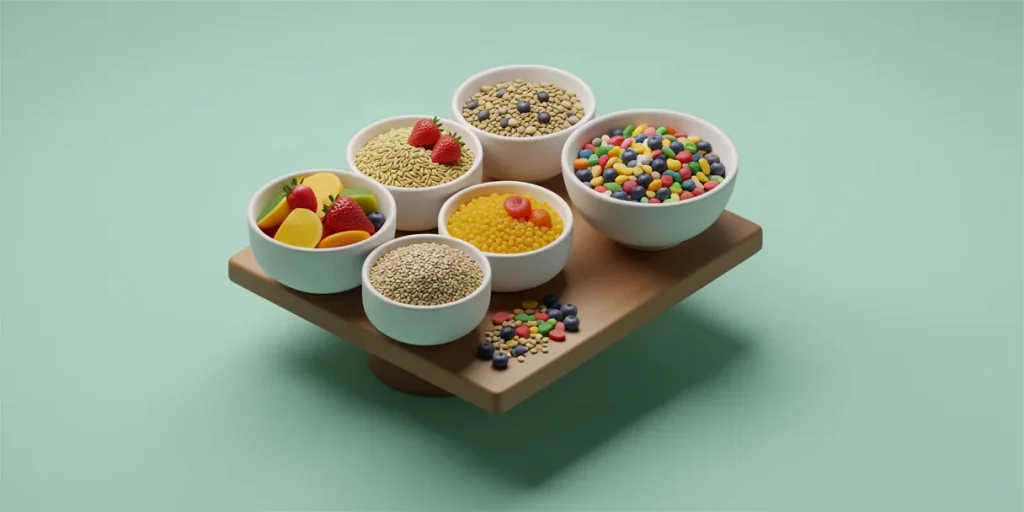
Proper nutrition is the main factor determining the health and lifespan of pet birds. In 2026, experts recommend a balanced diet based on high-quality grain mixes and specialized pellets. This approach supports normal development, active behavior, and reduces the risk of diseases. Let’s take a closer look at how to organize bird feeding while considering the latest recommendations and products on the market.
Basics of a Balanced Diet
A pet bird’s diet should include a variety of components to cover all nutritional needs. Ideally, 70–75% of the feed consists of pellets enriched with vitamins and minerals, which provide complete nutrition.
Key Nutritional Components
- Specialized pellets. For example, products from «Vitakraft» or «Hagen» containing vitamin complexes A, D, and E.
- High-quality grain mixes including millet, oats, sunflower seeds, and canary seed.
- Fresh fruits and vegetables—apples, carrots, and broccoli—that supply vitamins and fiber.
- Vitamin supplements, especially vitamin A, essential for metabolism and growth.
The price of ready-made pellets ranges from 350 to 600 rubles per 500 grams, making them an affordable and optimal choice for daily feeding.
Vitamin Supplements and Their Role
Vitamin A group is considered among the most important for pet birds. They participate in metabolic processes and are necessary for maintaining healthy skin and feathers.
Vitamin Usage
- Supplements come in the form of drops or powder, such as «AviVit» from the company «VIP Ferma».
- It is recommended to introduce vitamin A into the diet at the dosage indicated on the packaging, usually 1–2 mg per 100 grams of feed.
Regular use of such supplements reduces the risk of vitamin deficiencies and supports the birds’ immune system.
What Not to Feed Pet Birds
Certain foods can be dangerous or even deadly toxic for birds. It is important to strictly avoid including them in the diet.
List of Prohibited Foods
- Sprouted and greened potatoes—they contain the toxic solanine.
- Rotten root vegetables, especially red beets, which cause food poisoning.
- Fried and salted seeds and lard, which disrupt metabolism.
- Millet and black bread—they are poorly digested and can lead to digestive disorders.
Following these rules helps prevent poisoning and keeps birds safe.
The Role of Fresh Vegetables and Fruits
Fresh vegetables and fruits not only complement the birds’ diet but also promote their active behavior and proper digestive function.
Optimal Choices
- Carrots and broccoli—rich in vitamins and antioxidants.
- Apples—a source of vitamin C and fiber.
It is recommended to wash and cut fresh produce into small pieces to make it easy for birds to eat. The daily portion of vegetables and fruits should be 10–15% of the total feed volume.
| Feed | Cost (RUB/500 g) | Vitamin Content | Recommended Percentage in Diet |
|---|---|---|---|
| Vitakraft Pellets | 450 | A, D, E | 70-75% |
| Hagen Nutri-Berries | 600 | A, D, B Complex | 70-75% |
| Grain Mix (millet, oats) | 200 | Minerals | 15-20% |
| Fresh Vegetables and Fruits | from 100 per kg | Vitamins C, A | 10-15% |
- 70-75% pellet share in the diet for balanced nutrition
- 350-600 ₽ cost of quality pellets per 500 g
- 10-15% recommended volume of fresh vegetables and fruits
- 1-2 mg vitamin A per 100 g of feed to maintain health
Frequently Asked Questions
Is it possible to feed birds only with grain mix?
Which vitamins are especially important for pet birds?
Can birds be given sprouted potatoes?
How often should the birds’ diet be changed?
Key Takeaways
- The basis of the diet is 70-75% quality pellets with vitamins.
- Fresh vegetables and fruits should make up 10-15% of daily feeding.
- Vitamin A is essential for the health and growth of birds.
- Sprouted potatoes, rotten root vegetables, and salty foods are prohibited.
- Proper nutrition directly affects the pet’s activity and longevity.
Organizing a proper and balanced diet for pet birds in 2026 ensures their health and longevity. Using modern pellets with vitamin complexes, supplementing the diet with fresh vegetables and fruits, and excluding harmful foods allows pets to stay active, beautiful, and happy for many years.
Sources
- czv.kz — “Tips for Caring for Birds at Home”
- dralexstrelkov.ru — “Feeding Birds at Home: What to Feed Your Pet”
- vipferma.com — “Vitamins and Supplements for Pet Birds — VIP Ferma”
- agrobook.ru — “Brief Guide to Treating Pet Birds — Agrobook.ru”
- forestzone.by — “Feed the Birds — Berezinsky Forestry”