Updated: August 26, 2026
Your dog’s daily routine plays a key role in shaping its behavior. Just like humans, a stable routine helps your pet feel confident and comfortable. In this article, we’ll explore how a proper daily schedule can improve your dog’s mood, reduce stress levels, and prevent undesirable behavioral issues.
Maintaining a schedule for feeding, walks, and playtime not only strengthens physical health but also contributes to your pet’s emotional well-being. You’ll learn how simple changes in the daily routine can radically alter your dog’s behavior, making it more obedient and happier.
The Importance of a Daily Routine for Dogs
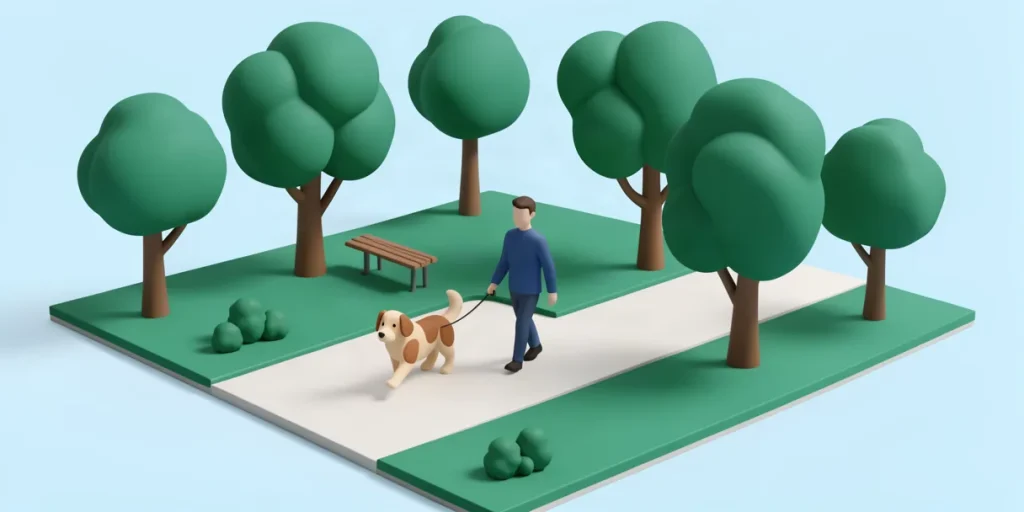
Maintaining a daily routine for dogs is crucial for their mental and physical health. A clear structure of daily activities helps pets feel secure and calm. When a dog knows what will happen at certain times, it reduces anxiety and stress levels. For example, regular walks and feeding at the same time establish a routine for the dog, which in turn makes it more balanced and less prone to negative behavioral manifestations.
Furthermore, it’s important to note that regular physical activities, such as long walks, help maintain optimal weight and prevent the development of various diseases. Pets that receive enough exercise within an established routine are less likely to engage in destructive behavior. They have the opportunity to release their excess energy, which decreases the likelihood of them chewing on furniture or damaging other items in the house.
Maintaining a daily routine also helps improve the overall well-being of both dogs and their owners. When a dog feels good and confident, it positively affects its interaction with the owner. Regular activities create opportunities to strengthen the bond between the pet and its owner, which in turn contributes to better understanding and interaction.
In summary, several key aspects highlight the importance of a daily routine for dogs:
- Reduction of anxiety and stress levels.
- Prevention of destructive behavior.
- Maintenance of physical health and optimal weight.
- Strengthening the bond between the dog and the owner.
Thus, creating and maintaining a clear daily routine is not only a necessity but also a guarantee of harmonious coexistence with your pet.
How to Create the Perfect Daily Routine
Creating the perfect daily routine for your dog is a key element that will not only improve your pet’s behavior but also ensure its good health. Start by determining times for walks and feeding. Regularity in these processes creates a sense of stability and predictability for the dog. For example, if you feed your dog at the same time every day, it will know when to expect food, which reduces stress and anxiety levels. Walks should also be scheduled at specific times so that the pet can release its energy and avoid destructive behavior in the apartment.
Equally important is including time for play and training in the routine. Play not only promotes physical activity but also develops your dog’s mental capabilities. Various tasks and tricks can be a great way to strengthen the bond between you and your pet. Training, in turn, helps dogs develop discipline and follow commands, which significantly improves behavior in daily life.
It’s also important to consider your dog’s individual needs. Each breed has its unique traits and requirements for physical activity. For instance, active breeds like Border Collies or Labradors require more time for walks and play, while calmer dogs may manage with less physical exertion. Take into account your pet’s age, health, and temperament when creating the routine. This will help you establish a schedule that is comfortable for your dog and allows it to feel happy and healthy.
By following these recommendations, you can create a harmonious daily routine that promotes your dog’s well-being and behavior.
The Impact of Daily Routine on Puppies’ Behavior
Forming habits from an early age is a key aspect of puppy training. A well-organized daily routine helps puppies not only adapt to new conditions but also develop self-confidence. When a pet knows when it will go for a walk, when it will be fed, and when it’s time for play, it feels safe. This systematic repetition of actions creates a sense of predictability for the puppy, significantly reducing stress and anxiety levels. For example, if a puppy receives food at the same time every day, it begins to associate that time with positive emotions, fostering a healthy attitude towards food.
Systematic routines also help puppies develop social skills. Regular walks, play with other dogs, and introductions to new people contribute to the puppy’s socialization. It learns to interact with the world around it, which is an important part of its development. It’s essential to remember that the more positive interactions a puppy receives at an early age, the easier it will be for them to adapt in the future when faced with new situations.
A proper daily routine not only helps form habits but also prevents undesirable behavior. Puppies that do not get enough physical activity may exhibit destructive behaviors such as chewing on furniture or anxiety. Regular walks and play allow puppies to expend their energy, reducing the risk of problems. Moreover, a clear daily routine promotes overall improvement in both the physical and mental health of the puppy and its owner.
Thus, creating and maintaining a daily routine for a puppy is not only a matter of convenience but also an essential element of its upbringing and socialization. A proper approach to organizing time will help your pet become more balanced and self-confident.
The Role of Physical Exercise in the Daily Routine
Physical exercise plays a key role in your dog’s daily routine, contributing not only to its physical health but also to emotional well-being. Regular physical activity helps reduce stress and anxiety levels, which is particularly important for dogs prone to anxiety. When a pet gets enough exercise, it becomes calmer and more balanced, which in turn positively affects its behavior at home. Walks and active play help dogs release built-up energy, preventing destructive behaviors such as chewing furniture or barking unnecessarily.
Additionally, regular physical exercise helps maintain a healthy weight. Obesity in dogs is a common problem that can lead to numerous health issues, including diabetes and joint diseases. By establishing a clear daily routine with designated time slots for physical activity, you not only help your pet stay in shape but also instill a habit of an active lifestyle. It is important to consider your dog’s age and physical capabilities when selecting optimal exercises.
Variety in activities also plays a significant role in maintaining interest and preventing boredom. Monotonous walks can quickly become dull, so try to include different types of activities in the daily routine. These can include ball games, agility training, or even learning new tricks. Each new experience enriches the dog’s life and helps develop its mental abilities.
As a result, a proper daily routine that includes physical exercise not only improves your dog’s health but also strengthens your bond with it. Dogs that actively interact with their owners during physical activities become more trusting and happier, making the time spent together even more enjoyable.
Sleep and Its Influence on Behavior
Sleep plays a crucial role in your dog’s health and behavior. Quality and adequate sleep ensure the body’s recovery, strengthens the immune system, and helps normalize metabolism. Lack of sleep can lead to various behavioral disorders, such as aggression, anxiety, and hyperactivity. If your dog does not get enough rest, it can negatively affect its emotional state and lead to destructive actions such as chewing furniture or excessive activity.
Optimal sleep time and duration are important components of the dog’s daily routine. Different breeds have varying sleep needs: larger and more active dogs generally require more rest compared to smaller and less energetic ones. On average, dogs sleep for 12 to 14 hours a day, but this figure can vary depending on age, activity level, and the pet’s health. To ensure your pet feels comfortable and well-rested, it’s essential to create a calm and cozy environment where it can rest undisturbed.
Maintaining a daily routine that includes regular walks, playtime, and rest will help your dog become more balanced. When a dog knows when to walk, when to eat, and when to rest, it feels more secure and calm. This also reduces stress and anxiety levels, which in turn improves behavior and the overall health of the pet.
In conclusion, several key aspects regarding sleep and its influence on a dog’s behavior can be highlighted:
- Quality sleep: is essential for the normal functioning of the body.
- Lack of sleep: can lead to behavioral disorders and increased anxiety.
- Optimal routine: regular walks and time for rest contribute to improved behavior.
- Calm environment: is important for the pet’s complete rest.
By creating the right daily routine for your dog, you not only contribute to its physical and mental health but also strengthen your bond with your beloved pet.
Psychological Aspects of Daily Routine
One of the key psychological aspects of a daily routine for dogs is predictability, which creates a sense of security. Dogs, like humans, thrive in stable conditions. When your pet knows what happens throughout the day—when it’s fed, when it’s time for a walk or play—it feels more confident and calm. This sense of predictability helps avoid anxiety and stress, which in turn positively impacts the dog’s behavior. Dogs living in conditions of uncertainty may exhibit destructive behavior as they do not know what to expect.
Moreover, having a clear routine significantly enhances the learning process. Dogs better understand commands and instructions when they have an established routine. Regular repetition of the same actions helps the pet connect commands with expected outcomes. For example, if you train your dog at the same time every day, it will quickly memorize commands and be more eager to perform them. This creates not only a positive experience for the dog but also strengthens the bond between it and the owner.
Consistency in the daily routine also contributes to the overall health of the dog. Regular walks, playtime, and feeding help maintain physical activity and normalize weight. This, in turn, helps avoid various diseases and keeps the dog in good physical shape. A dog that receives enough physical activity and mental engagement is less prone to stress and happier.
In conclusion, an effective daily routine not only improves behavior but also positively influences your pet’s overall state. By creating a predictable environment, you provide comfort and security for your dog, ultimately leading to harmony in your relationship.
Genetics and Individual Characteristics
Genetic factors significantly influence your dog’s behavior and activity level. Each breed has its unique traits that can determine how energetically and actively a pet behaves. For example, working breeds such as herding or hunting dogs require more physical activity and mental stimulation than toy breeds. This is important to consider when creating a daily routine to tailor it to your pet’s individual needs.
Creating a daily routine that aligns with your dog’s genetic traits can significantly enhance its quality of life and behavior. If your dog is predisposed to being active, it is important to include regular walks and activities in the routine to allow it to expend built-up energy. Conversely, if the dog is less active, focus on calmer forms of interaction and rest. Thus, understanding your dog’s genetic predisposition will help create optimal living conditions for it.
One effective way to learn more about your pet’s needs is to use a DNA test. These tests can provide valuable information about breed traits, tendencies, and potential health issues. By knowing your dog’s genetic characteristics, you can better adapt the daily routine to meet its individual needs. This will help avoid conflicts and behavioral problems, as well as improve your pet’s overall well-being.
Considering all these factors, it’s important to remember that each dog is unique. Its behavior, activity level, and preferences can vary even among members of the same breed. Therefore, creating an individual daily routine based on your dog’s genetic and individual characteristics will be the key to its health and harmony in your relationship.
How Daily Routine Affects Owners
A clear daily routine significantly enhances life not only for your pets but also for their owners. When a dog has a stable routine, it helps owners organize their time more effectively. Regular walks, feeding, and playtime become not only responsibilities but also part of daily life, allowing owners to plan their affairs better. A clear schedule reduces the chaos that can arise in everyday life, creating space for more productive interactions with the pet.
Following a daily routine also strengthens the bond between the owner and the dog. When the dog knows what to expect, it becomes calmer and more self-assured. This leads to improved relationships and mutual understanding. Owners, in turn, begin to value the moments spent with their pets more, creating an emotional attachment that fosters harmony at home.
Moreover, regularity in the routine helps reduce the overall stress level for owners. When the animal behaves in a balanced and predictable manner, it positively affects the owners’ psycho-emotional state. Owners worry less about potential «incidents» in the apartment, allowing them to enjoy the time spent with their dog. The feeling of confidence that the pet is well-behaved and knows its responsibilities brings significant relief and joy.
Overall, a clear daily routine is a key element not only for your dog’s health and behavior but also for the well-being of the entire family. It helps create a harmonious environment where both owners and their pets feel comfortable and happy.
Frequently Asked Questions
How often should I walk my dog?
What should I do if my dog doesn’t follow the routine?
How can I tell if my dog is getting enough exercise?
Key Takeaways
- A daily routine reduces anxiety in dogs.
- Regular physical activity is important for health.
- Consistency helps dogs feel confident.
Sources
vetklinika79.ru, malinois.com.ua, shop.kokogenetics.com, Sleep + Health, beagle.mybb.ru
