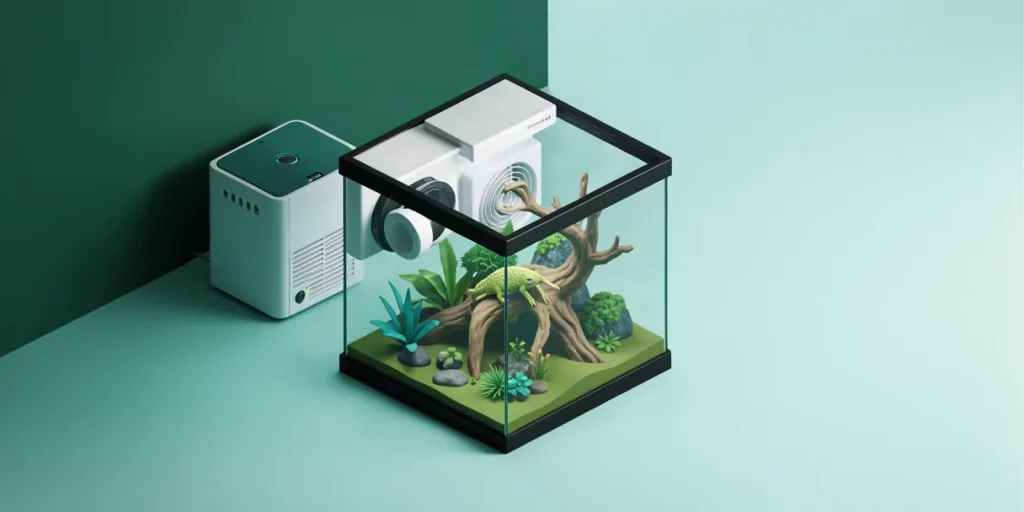
Introduction: What Influences the Adaptation of Exotic Pets
Adapting exotic animals to new living conditions is a complex process that directly depends on their biological traits and behavioral responses. The success of adaptation is determined by the pet’s ability to quickly adjust to the climate, diet, and social environment. For example, tropical reptiles like the green iguana require maintaining temperatures between 28–32 °C and humidity levels of 60–80%; otherwise, the adaptation period can extend to 3–6 months, increasing the risk of illness.
In 2026, exotic pet owners have access to specialized equipment, such as UVB Arcadia ProT5 12% lamps with a recommended retail price of about 4500 ₽, which significantly facilitates creating suitable conditions.
Biological Features Affecting Adaptation
Different exotic species’ biological parameters determine the speed and quality of their adaptation. For cold-blooded reptiles, thermoregulation is crucial; for birds, stress levels and socialization ability; and for mammals, dietary habits and activity.
Key Biological Indicators
- Temperature range: chameleons require 24–30 °C, African servals 20–25 °C.
- Air humidity: amphibians, such as tree frogs, need 70–90%.
- Daylight duration: tropical birds need 12–14 hours, desert rodents 10–12 hours.
- Nutritional needs: some snakes require feeding once every 7–10 days.
For example, the green iguana, a popular exotic pet, needs ultraviolet lighting and a specialized diet high in calcium. Without these conditions, adaptation can take up to 180 days and be accompanied by health problems.
Behavioral Traits and Their Role in Adaptation
Behavioral responses of exotic pets to environmental changes play an equally important role. Stress from transport and new surroundings often manifests as decreased appetite and activity in many species.
Typical Behavioral Reactions
- Reduced activity and hiding (hexapod insects, reptiles).
- Aggression and escape attempts (birds and small mammals).
- Changes in feeding habits — refusal to eat during the first 3–5 days.
Using calming agents, such as Feliway Classic pheromones for cats and small mammals (costing from 1500 ₽ per diffuser), helps reduce stress and speed up adaptation.
Creating Optimal Conditions for Adaptation
Acquiring an exotic pet requires preparing an environment as close to natural as possible. In 2026, specialized pet stores offer comprehensive solutions: Exo Terra Glass Habitat terrariums starting at 12,000 ₽ with temperature and humidity control systems.
Main Environmental Parameters
- Temperature and humidity — automatic control via thermostats and humidifiers.
- Lighting — UVB lamps and infrared heaters.
- Nutrition — specialized feeds, such as Repashy Superfoods for reptiles, priced around 1500 ₽ per 100 grams.
The choice of an appropriate environment depends on the specific species, requiring prior study of the pet’s biological and behavioral characteristics.
| Species | Temperature °C | Humidity % | Diet | Average Equipment Cost ₽ |
|---|---|---|---|---|
| Green Iguana | 28–32 | 60–80 | Leafy greens, calcium | 15 000 |
| Orange Tree Frog | 22–26 | 75–90 | Insects | 10 000 |
| Cockatiel (bird) | 20–25 | 40–60 | Seeds, fruits | 12 000 |
The Role of Veterinary Support in Adaptation
Regular veterinary check-ups reduce disease risks during adaptation. In 2026, specialized clinics operate in Russia, such as «Exotica Vet» in Moscow, offering diagnostics and treatment for exotic pets with prices starting at 2500 ₽ for basic examinations.
Important Veterinary Procedures
- Initial examination and diagnosis.
- Preventive deworming.
- Vaccination (for birds and some mammals).
Timely detection of stress symptoms or infections allows adjusting care conditions and reducing adaptation periods from 3–6 months to 1–2 months.
Psychological Comfort of the Pet and Interaction with the Owner
Establishing trust between pet and owner is a key aspect of successful adaptation. Exotic pet owners note that regular, calm interactions reduce acclimatization time by 20–30%.
Methods to Improve Psychological Climate
- Gradual introduction to the new environment — 15–20 minutes daily for the first 2 weeks.
- Use of calming agents and toys, for example, tunnels and wheels from Ferplast for rodents (prices from 2000 ₽).
- Avoiding sudden noises and bright lights in the first days.
Frequently Asked Questions
How long does adaptation take for most exotic pets?
How can stress be reduced in an exotic pet during relocation?
What veterinary procedures are mandatory during adaptation?
Can universal feeds be used for all exotic pets?
Key Takeaways
- The adaptation of exotic pets depends on the biological and behavioral characteristics of each species.
- Optimal microclimate and quality nutrition reduce disease risk and speed up acclimatization.
- Veterinary support is an essential element of successful adaptation.
- Psychological comfort and owner attention significantly affect adaptation duration.
- Modern equipment and specialized feeds in 2026 simplify creating suitable conditions for exotics.
In conclusion, understanding the biological and behavioral traits of exotic animals, along with providing optimal conditions, is the key to successful adaptation and the pet’s health. Careful attention and regular veterinary supervision will help make the relocation and acclimatization process as comfortable as possible for both the animal and the owner.