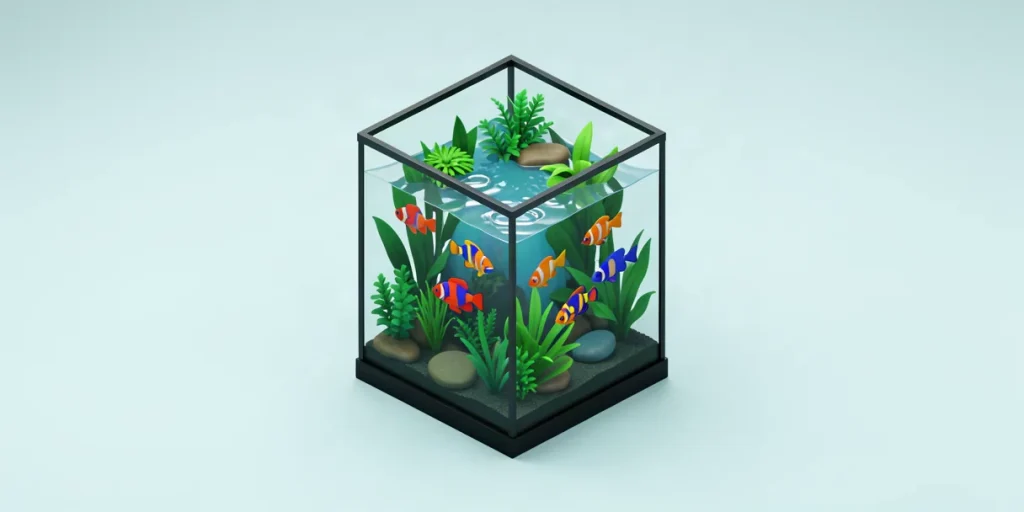
The perfect combination of fish and plants in an aquarium is key to the health and stability of the aquatic ecosystem. Species compatibility affects water quality, fish behavior, plant growth, and helps prevent diseases and the loss of inhabitants. In 2026, aquarium experts highlight specific criteria for achieving a harmonious balance, taking into account biological and chemical parameters as well as substrate characteristics and care conditions.
The Role of Plants in Maintaining Balance
Plants act as natural filters in the aquarium, absorbing nitrates and ammonia from the water, releasing oxygen, and providing shelter for fish. In 2026, aquarium plants like Amazon Sword (Echinodorus amazonicus) and Anubias nana remain the most popular due to their hardiness and water-purifying abilities.
Key Functions of Plants
- Absorbing organic waste (up to 60% of nitrates per day in highly efficient species)
- Oxygen enrichment (increasing O2 levels up to 8 mg/l during daylight hours)
- Creating natural environments for spawning and shelter
Choosing the right plants reduces the need for frequent water changes and chemical filtration, saving up to ₽1500 annually on maintenance for a typical 100-liter aquarium.
Choosing Fish: Compatibility and Biological Needs
In 2026, fish selection considers not only aesthetics but also ecological compatibility with plants and tankmates. For example, guppies and neon tetras coexist well with plants without damaging them, whereas goldfish may uproot plants and disrupt the substrate.
Fish Selection Criteria
- Behavior: peaceful or aggressive species
- Diet: herbivores, omnivores, or predators
- Optimal water parameters: pH 6.5–7.5 and temperature 22–26 °C
Following these criteria helps maintain a stable microclimate and reduces fish stress, lowering disease risks by 40%, according to 2024 research from the aquarium science institute «AquaBio.»
Substrate and Its Impact on the Ecosystem
The substrate is the foundation of the aquarium ecosystem. In 2026, specialized substrates like ADA’s Aqua Soil Amazonia, priced between ₽2500–3000 for 9 liters, are recommended as they foster beneficial microflora and retain nutrients for plants.
Types of Substrate and Their Properties
- Mineral: provides aeration and does not alter pH
- Organic (peat-based): lowers water hardness and maintains acidic conditions
- Mixes with additives: contain nutrients to support plant growth
The right substrate helps reduce ammonia and nitrites to safe levels below 0.02 mg/l, crucial for fish health.
Water Quality and Control Methods
Clean water with optimal parameters is the foundation of aquarium health. In 2026, modern test strips and digital meters like the JBL ProScan, costing about ₽5000, are used to analyze nitrates, ammonia, pH, and hardness with accuracy down to 0.1 mg/l.
Key Water Quality Indicators
- Ammonia (NH3) – harmful above 0.02 mg/l
- Nitrites (NO2) – safe below 0.1 mg/l
- Nitrates (NO3) – ideally kept below 20 mg/l
- pH – stable within 6.5–7.5
| Model | Type | Price (₽) | Accuracy | Measured Parameters |
|---|---|---|---|---|
| JBL ProScan | Digital | 5000 | 0.1 mg/l | pH, NH3, NO2, NO3, GH, KH |
| API Test Strips | Test Strips | 700 (50 pcs.) | 0.5 mg/l | pH, NH3, NO2, NO3 |
| Hanna Checker | Digital | 4500 | 0.05 mg/l | pH, NH3 |
Special Products for Maintaining Balance
Besides natural components, complex products are used to stabilize the ecosystem. For example, Seachem’s Bio-Spira (about ₽1500 for 100 ml) contains live bacteria that speed up biological filtration and reduce ammonia levels within 24 hours.
Types of Products and Their Purpose
- Biofilters and bacteria – accelerate toxin breakdown
- Vitamin complexes – strengthen fish immunity
- Plant fertilizers – supply essential micronutrients
Using these products alongside proper care can increase fish lifespan by an average of 30%.
Frequently Asked Questions
What is the optimal number of plants per 100 liters of water?
Can goldfish be kept with live plants?
How often should water be changed in a well-balanced aquarium?
Which water parameters are most important to monitor?
Key Takeaways
- Compatibility between fish and plants is the foundation of a stable ecosystem.
- Properly selected substrate influences water quality and plant growth.
- Regular monitoring of water parameters with modern tests is essential for inhabitants’ health.
- Using biological products accelerates harmful substance breakdown and maintains balance.
- Optimal ratios of plants to fish reduce aquarium maintenance costs.
In 2026, successful aquarium keeping is not just a decorative hobby but a scientifically based process of creating a balanced ecosystem. Choosing the right fish, plants, substrate, and care products, supported by regular water quality monitoring, ensures a long and healthy life for aquatic inhabitants and turns your aquarium into a vibrant, natural corner of your home.
Sources
- akvarium-akvas.ru — “Useful Information”
- aquadesign.ru — “Helpful Articles on Aquariums, Terrariums, and More”
- bethowen.ru — “Tips for Beginner Aquarists – How to Avoid Mistakes”
- dinozoo.lv — “Aquarium from Scratch: How to Create the Perfect Home for Fish?”
- aqa.ru — “Starting a New Aquarium”