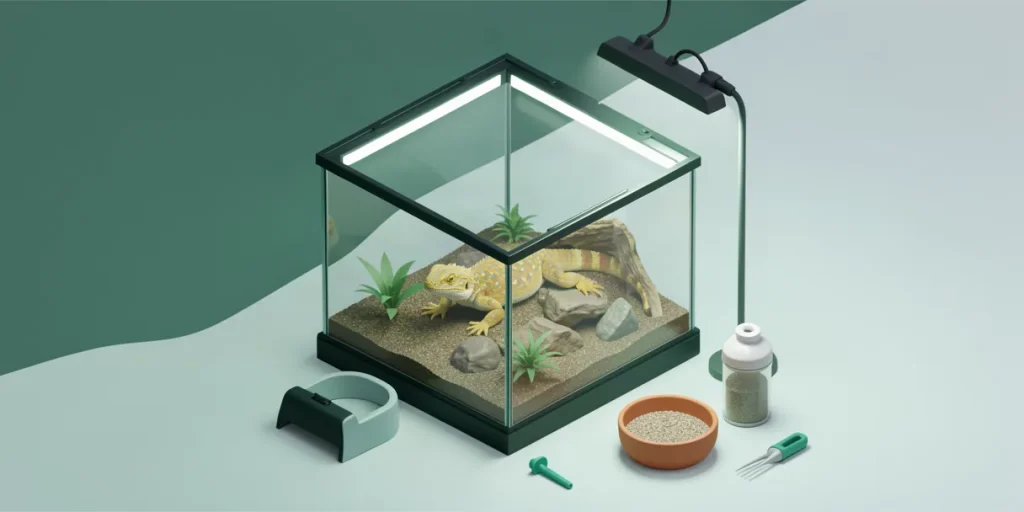
Introduction: Why Exotic Reptile Nutrition Requires a Special Approach
Exotic reptiles kept at home need a balanced diet that closely mimics their natural dietary profile. The main challenge is ensuring an adequate supply of calcium, vitamin D3, and trace elements essential for maintaining bone structure and overall health. Imbalance leads to metabolic bone disease and other disorders.
Let’s examine the key components of exotic reptile nutrition and how to properly combine them in 2026 for optimal pet health.
Calcium and Vitamin D3: The Foundation of Strong Bones
For most exotic reptiles, including leopard geckos and agamas, calcium plays a central role in bone formation and the prevention of metabolic bone disease (MBD). Vitamin D3 is necessary for the absorption of calcium from the diet.
Sources and Recommended Intake
- Calcium: supplemented through powders containing up to 2 mg of calcium per gram of food, such as «Rep-Cal Calcium Powder» from Zoo Med, priced from 900 ₽ per 100 g.
- Vitamin D3: produced by reptiles under UVB ultraviolet radiation, so using UVB-spectrum lamps (Zoo Med ReptiSun 10.0, around 2500 ₽) is mandatory when kept in a terrarium.
In the absence of natural light, vitamin supplements with a dosage of 1000-1500 IU of vitamin D3 per week are recommended for medium-sized reptiles.
| Product | Calcium Content (mg/g) | Vitamin D3 (IU/g) | Price (₽/100 g) |
|---|---|---|---|
| Rep-Cal Calcium Powder | 2000 | 0 | 900 |
| Zoo Med Repti Calcium with D3 | 1500 | 1000 | 1200 |
| Fluker’s Calcium Plus | 1800 | 500 | 850 |
- 80% of metabolic bone disease cases are caused by calcium or vitamin D3 deficiency
- 2500 ₽ cost of the Zoo Med ReptiSun 10.0 UVB lamp recommended for most terrariums
Trace Elements: Iron, Magnesium, Zinc and Their Role in Reptile Health
Besides calcium and vitamin D3, reptiles need trace elements to maintain immunity, metabolism, and tissue regeneration. Iron, magnesium, and zinc participate in numerous biochemical processes.
Features and Sources of Trace Elements
Iron is crucial for hemoglobin formation, and its deficiency may lead to anemia. Magnesium regulates muscle and nervous system function, while zinc promotes wound healing and supports skin health.
- Iron — found in live insects (for example, Gryllus assimilis crickets), which are the primary food for carnivorous reptiles.
- Magnesium and zinc — supplied through vitamin-mineral complex supplements such as «Herptivite» from Zoo Med, costing about 1500 ₽ per 85 g.
It is recommended to alternate the feeding base and use complex supplements to prevent deficiencies.
Feeding Specifics of Different Exotic Reptile Species
Different species have unique dietary needs related to their ecology and behavior. For example, the leopard gecko prefers nocturnal insects and does not require high humidity, while agamas need more plant food and vitamins.
Diet Examples for Popular Species
- Leopard Gecko: 80% live crickets and mealworms, 20% vegetables with added calcium powders.
- Bearded Dragon: 50% greens (leafy kale, dandelion), 30% insects, 20% vegetables, with regular supplementation of vitamins.
The average lifespan of these species with proper nutrition ranges from 6 to 10 years, underscoring the importance of a balanced diet.
The Role of Live Food and Plant-Based Components
Live food is a source of protein and trace elements, but it must be varied and enriched. Plant food provides fiber, B vitamins, and antioxidants.
Enrichment and Preparation of Food
- Mandatory gut-loading of live insects with vitamins and calcium 24 hours before feeding.
- Use of vegetables high in vitamins A and C, such as carrots and sweet peppers.
- Regular rotation of food types to prevent deficiencies.
In 2026, the average price for live crickets is about 200-300 ₽ per 100 pieces at specialized farms.
Feeding Mistakes and Their Consequences
Common mistakes include calcium deficiency, lack of UVB lighting, and a monotonous diet. This leads to decreased activity, fractures, and skin diseases.
How to Avoid Problems
- Monitor calcium and vitamin D3 levels in the diet.
- Use quality supplements and UVB lamps with recommended power.
- Regular veterinary check-ups for early deficiency diagnosis.
Saving on supplements can lead to costly treatment — therapy for metabolic bone disease often exceeds 5000 ₽.
Frequently Asked Questions
Why is calcium so important for reptiles?
How often should UVB lamps be replaced in the terrarium?
Can a reptile be fed only insects?
What should be done if signs of vitamin deficiency appear in a reptile?
Key Takeaways
- Calcium and vitamin D3 are key elements for exotic reptiles’ bone health.
- Trace elements iron, magnesium, and zinc are necessary for metabolism and immunity.
- The diet should be varied: live food + vegetables + supplements.
- UVB lighting is essential for vitamin D3 absorption and disease prevention.
- Regular veterinary monitoring helps prevent and detect diseases early.
Conclusion
Proper nutrition of exotic reptiles is a complex but essential aspect of their care. In 2026, with modern supplements and equipment, creating an optimal diet is possible even at home. Maintaining a balance of calcium, vitamin D3, trace elements, and dietary variety will ensure your pet a long and healthy life while minimizing disease risks.
Sources
- goodhands.vet — «Features of Keeping Exotic Animals at Home — Vet Clinic ‘Good Hands’»
- garadesud.md — «Unique Adaptations and Behavior of Reptiles: Biology, Adaptation, Defense, Ecology»
- agriecomission.com — «Macro-, Meso-, and Trace Elements: Features of Plant Nutrition — AgroEcoMission — Digital Knowledge Platform»
- kedu.ru — «Healthy Nutrition for Men: How to Form a Proper Diet and Maintain Health»
- sekretyvolos.ru — «The Influence of Nutrition and Stress on Hair and Scalp Health: Care Balance»