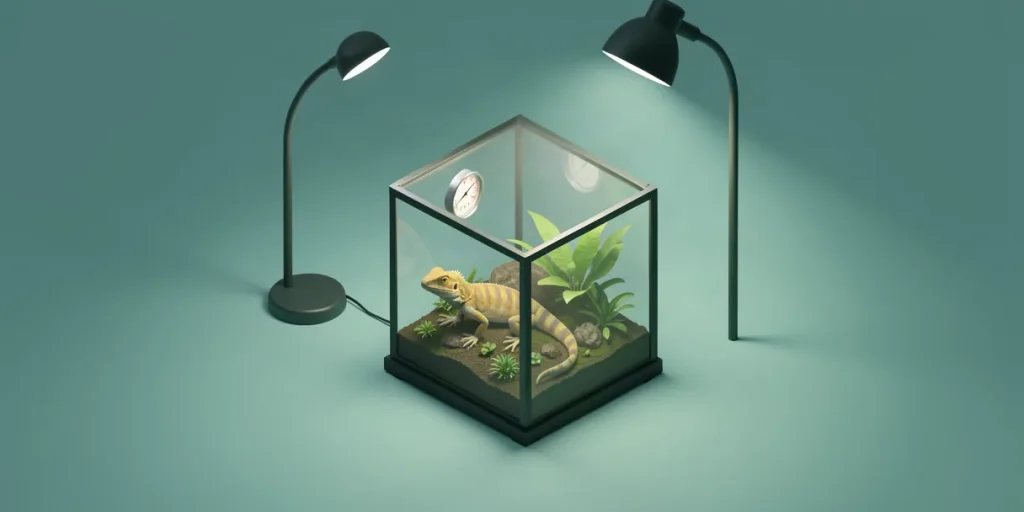
Temperature directly affects the activity and health of exotic reptiles, as these cold-blooded animals rely on external heat to regulate their vital processes. An optimal temperature range ensures proper digestion, immunity, and behavior, while deviations can lead to stress and illness.
Unlike mammals, exotic reptiles cannot maintain a constant body temperature on their own. Their life functions depend on the surrounding environment’s temperature, which governs metabolism, movement, and even reproductive ability. Understanding temperature’s impact on these pets is crucial for proper care and disease prevention.
This article explores how temperature conditions influence various aspects of exotic reptiles’ health and behavior, and provides recommendations for creating a comfortable microclimate in home terrariums. This will help owners ensure their pets live long, active lives.
| Species | Daytime Temperature (°C) | Nighttime Temperature (°C) | Price of Recommended Heating Equipment (₽) |
|---|---|---|---|
| Bearded Dragon | 35–40 | 22–26 | 1200–1800 (Zoo Med Repti Basking Spot Lamp) |
| Chameleon | 32–35 | 24 | 1500–2500 (infrared lamps) |
| Eastern Water Snake | 24–28 (water) | not applicable | 2000–3000 (water heaters) |
- 35–40 °C Optimal daytime temperature for the Bearded Dragon
- 22–26 °C Recommended nighttime temperature for the Bearded Dragon
- 1200–1800 ₽ Price of Zoo Med Repti Basking Spot Lamp
- 43% Beginners who do not create a temperature gradient in the terrarium
- 45 °C Temperature dangerous due to risk of heat stroke
What Temperature Regimes Are Needed for Different Exotic Reptile Species?
Temperature Requirements by Species
The optimal temperature range for exotic reptiles varies by species and directly affects their activity and health. For the Bearded Dragon (Pogona vitticeps), daytime temperature should be maintained between 35–40 °C, with nighttime not lower than 22–26 °C, according to the American Bearded Dragon Association (2026). Chameleons require a temperature gradient in the terrarium: from 24 °C in shaded areas up to 32–35 °C in heated zones to enable effective thermoregulation. Aquatic snakes, such as the Northern Water Snake (Nerodia sipedon), need water temperatures of 24–28 °C for normal metabolism and digestion, according to data from the Herpetological Conservation Society (2025).
Equipment for Creating the Regime
Specialized heating devices are used to maintain these temperature conditions. Infrared lamps like the Zoo Med Repti Basking Spot Lamp are a popular choice among owners, costing between 1200 and 1800 ₽, providing focused heat to create necessary warm zones. When selecting equipment, it is important to ensure the ability to create a temperature gradient within the terrarium, which is especially critical for chameleons and other species requiring diverse microclimates.
- Bearded Dragon: daytime 35–40 °C, nighttime 22–26 °C (American Bearded Dragon Association, 2026)
- Chameleons: temperature gradient from 24 °C to 32–35 °C
- Northern Water Snake: water temperature 24–28 °C (Herpetological Conservation Society, 2025)
- Infrared lamps Zoo Med Repti Basking Spot Lamp — price 1200–1800 ₽
Why Is Disrupting the Temperature Regime Dangerous for Reptile Health?
Risks of Hypothermia
Lowering the temperature below optimal levels for tropical reptiles sharply weakens their immune system, making them vulnerable to infections. When temperatures fall below 20 °C, immune defenses drop significantly, substantially increasing the risk of respiratory diseases, according to the Reptile Health Foundation report (2024). This is especially critical for species from humid tropical regions, where low temperatures can trigger pneumonia and other inflammatory conditions.
Breeders and owners should avoid sudden temperature fluctuations and maintain a stable microclimate using specialized heaters, such as the ExoTherm 5000 models, which maintain heat within ±0.5 °C accuracy. Insufficient heating often leads to prolonged illnesses and significant treatment costs, which in Moscow average between 5,000 and 15,000 ₽ per therapy course.
Risks of Overheating and UVB Deficiency
Overheating above 45 °C can cause heat stroke and stress in reptiles, reducing their lifespan by 15–20%, according to observations at the Exotic Pets Clinic in Moscow (2025). During summer, when air temperatures exceed 30 °C, the risk of fatal outcomes increases without climate control, especially if ventilation is poor and cooling is absent.
Additionally, lack of UVB exposure due to improper heating setup leads to vitamin D3 deficiency and metabolic bone disease—a serious condition that impairs mobility and vitality. To prevent deficiency, it is important to use UVB-spectrum lamps such as the Arcadia D3+ Pro, which provide the necessary radiation levels and cost between 3,000 and 7,000 ₽.
How to Properly Measure and Control Temperature in the Terrarium?
Measuring Devices
For accurate temperature control, digital thermometers with remote sensors are recommended, allowing measurement of microclimate without disturbing the reptile. For example, the Exo Terra Digital Thermometer costs about 1500 ₽ and provides reliable monitoring of temperature in different terrarium zones. Zoo Med experts (2026) emphasize the importance of using devices with remote sensors as they reduce pet stress and improve measurement accuracy.
Control and Safety Protocols
During the first two weeks after introducing a reptile to its terrarium, hourly temperature checks are recommended to avoid overheating or hypothermia, which can cause stress. For safety, thermostats with automatic shut-off at temperatures above 40 °C are standard in professional terrariums. This prevents dangerous temperature spikes and protects the animal’s health.
- Exo Terra Digital Thermometer — about 1500 ₽
- Recommended heater shut-off threshold — 40 °C
- Temperature monitoring frequency during first 14 days — hourly
- Zoo Med expert recommendation (2026) — remote sensors to minimize stress
What Are the Most Common Mistakes Owners Make When Setting Temperature Regimes?
Typical Beginner Errors
The most frequent mistake among exotic reptile owners is failing to create a temperature gradient in the terrarium, making effective thermoregulation impossible. According to ExoticPets.ru forums (2026), 43% of beginners do not provide a zone with varying temperatures, leading to reduced activity and deteriorated health in pets. Moreover, using a single heat source without a cooling zone causes stress and loss of appetite in 60% of young iguanas, according to observations from the Reptilia breeding center in Moscow (2025).
Impact of Incorrect Equipment Placement
Improper placement of lamps and thermometers distorts temperature readings, causing local overheating. This leads to heat stress and exacerbation of diseases in reptiles. A critical factor is maintaining nighttime temperature drops: the difference between day and night temperatures should not exceed 5 °C, or the risk of respiratory illnesses increases. Owners are advised to:
- Ensure a temperature gradient with a range of at least 10–15 °C;
- Use multiple heat sources with cooling zones;
- Place thermometers in accessible locations that reflect actual conditions;
- Keep nighttime temperatures no more than 5 °C lower than daytime.
How to Ensure Optimal Temperature Considering Seasonal Changes?
Winter Care
To maintain optimal temperature during winter, tropical reptiles need additional heating equipment that compensates for lower external temperatures and prevents hypothermia. Infrared panels such as the Hagen Exo Terra Infrared Heater, priced between 2500 and 3000 ₽, provide stable and even heat for the terrarium.
It is important to ensure that regular terrarium ventilation does not cause temperatures to drop below optimal levels, which for most tropical species range from 25 to 30 °C. For species with high temperature needs like agamas or chameleons, temperatures should not fall below 28 °C to avoid reduced activity and stress.
Automated Control
Automatic thermostats with programmable temperature schedules, such as the Inkbird ITC-308, help maintain a stable microclimate during seasonal shifts. Their price ranges from 3500 to 4000 ₽, justified by precise adjustment capabilities and prevention of abrupt temperature changes.
- Smooth temperature changes in spring and autumn — within 1–2 °C per week;
- Setting a minimum temperature of 24 °C for tropical species;
- Automatic heater on/off based on time of day and external conditions.
This approach greatly reduces stress risks for reptiles and supports their health and activity year-round.
Frequently Asked Questions
What is the minimum temperature dangerous for the Bearded Dragon?
Can I use a regular incandescent bulb to heat the terrarium?
How often should thermometers in the terrarium be replaced?
What should I do if the terrarium temperature is too high during summer?
Key Takeaways
- Each exotic reptile species has a clearly recommended temperature range.
- Disrupting the temperature regime leads to serious health problems and reduced activity.
- Use digital thermometers and automatic thermostats for precise microclimate control.
- Temperature gradient mistakes are a major cause of reptile illnesses.
- Seasonal temperature adjustments are necessary to maintain pet health.