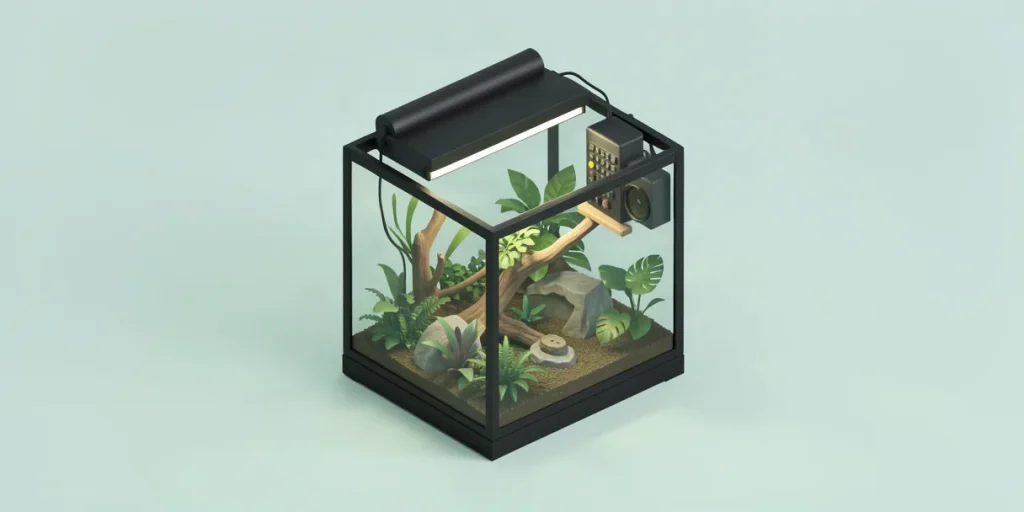
Introduction: Why Natural Instincts Matter in Caring for Exotic Pets
Exotic pets—from reptiles to birds and rodents—possess unique natural instincts shaped by their native habitats. Ignoring these instincts leads to stress, illness, and even shortened lifespans. In 2026, veterinary experts strongly advise exotic pet owners to consider these natural behavioral traits when planning care, nutrition, and living environments.
Understanding instincts helps provide conditions as close to natural as possible, which reduces anxiety and encourages normal behavior. Stress in exotic pets can manifest as aggression, refusal to eat, shedding, or skin diseases.
- 70% of exotic pets experience stress without proper care
- 3,000 to 15,000 ₽ average cost of specialized terrarium equipment
- 5–7 days — optimal time for a pet to adapt to a new home
Characteristics of Natural Behavior in Exotic Pets
Each species of exotic animal has its own behavioral traits that must be taken into account in their care.
Reptiles
Reptiles, such as iguanas and snakes, are nocturnal or crepuscular and require a temperature gradient and hiding places. Their activity is regulated by temperature rather than daylight hours, unlike domestic mammals.
Birds
Birds need space for flying and social interaction. Many species, like budgerigars, require daily exercise and interactive toys to stimulate their mental activity.
- Terrariums with adjustable temperature (e.g., Exo Terra PT2600 for 8,500 ₽)
- Feeders simulating prey (Savic for birds, 2,000–3,500 ₽)
- Toys made of natural materials for birds and rodents (starting at 500 ₽)
| Pet Species | Temperature, °C | Need for Hiding Places | Activity, hours/day |
|---|---|---|---|
| Iguana | 28–32 | Required | 8–10 |
| Budgerigar | 20–25 | Moderate | 6–8 |
| Degu | 18–22 | Required | 10–12 |
Nutrition Considering Natural Habits
Diets for exotic pets should closely match their natural food preferences. Improper nutrition is a leading cause of disease.
Reptiles and Amphibians
Many reptiles are predators or omnivores. For example, iguanas benefit from dandelion leaves and clover, while snakes require feeding on live or frozen rodents. Vitamin supplements and calcium are critical to preventing metabolic diseases.
Birds and Rodents
Birds need a variety of grains and fruits, while rodents benefit from root vegetables and fresh greens. Commercial feeds, such as Tropifit for birds (starting at 1,200 ₽ per 500 g), provide basic needs but do not cover the full nutrient spectrum without supplements.
- Live food for snakes and lizards — mice or crickets (from 300 ₽ per serving)
- Grain mixes and vegetable supplements for birds (Tropifit, Versele-Laga)
- Vitamins and minerals (Reptile Calcium Plus, 600 ₽/100 g)
Creating an Environment Aligned with Natural Instincts
Proper habitat setup is a key factor in reducing stress in exotic pets.
Temperature Control and Lighting
For reptiles, zones with varying temperatures—hot (up to 35 °C) and cool (around 22 °C)—are essential. Specialized UVB lamps support vitamin D3 synthesis. For birds, day length of 10–12 hours, controlled by timers, is important.
Hiding Places and Space
Hiding spots and climbing structures encourage natural behaviors. Rodents benefit from mazes and tunnels; snakes prefer driftwood and caves. Providing places to hide helps pets feel secure.
| Equipment Type | Average Price, ₽ | Function |
|---|---|---|
| Exo Terra PT2600 Terrarium Heater | 8,500 | Creating a temperature gradient |
| ReptiSun 10.0 UV Lamp | 2,700 | Vitamin D3 synthesis |
| Toys and Hiding Places for Birds and Rodents | from 1,000 | Stimulating natural behavior |
Regular Care and Stress Prevention
Caring for exotic pets involves not only feeding and maintenance but also disease and stress prevention.
Hygiene and Shedding
During shedding periods, reptiles and birds require extra attention: skin hydration, air quality control, and bathing opportunities. For example, humidity in a chameleon’s terrarium should be 60–80%.
Professional Consultations
Regular check-ups with exotic animal specialists help detect diseases early. In Moscow in 2026, a herpetologist consultation starts at 2,000 ₽, with specialized treatment from 5,000 ₽.
- Daily monitoring of temperature and humidity
- Hygienic care during shedding
- Regular veterinary examinations
Frequently Asked Questions
How often should water and food be changed for an exotic pet?
Can regular dog and cat toys be used for exotic pets?
How can I tell if my pet is stressed?
Do exotic pets need additional lighting?
Key Takeaways
- Considering natural instincts reduces stress and improves exotic pets’ health.
- Proper nutrition must align with each species’ natural dietary preferences.
- Creating environments with temperature gradients and hiding spots is essential for normal behavior.
- Regular care and professional veterinary oversight prevent diseases and maintain quality of life.
Conclusion
Owning an exotic pet in 2026 is a responsibility that requires a deep understanding of its natural instincts and behavioral traits. Only by doing so can owners create comfortable conditions, minimize stress, and ensure a long, healthy life for their unique companions. Investing in proper equipment, specialized diets, and veterinary care is the key to successful exotic pet care.
Sources
- pets.wikireading.ru — “Care Features During Shedding. Meat Chicken Breeds”
- vipdogs.dp.ua — “Care Features for Pomeranian Spitz — Glamorous Dogs”
- continentzoo.ru — “Fur, Claws, and Love: Secrets of Pet Care”
- tyapa.ru — “French Bulldog: Charm, Character, and Care Features”
- pravda.ru — “The Future of Pet Care: Interactive Toys and”