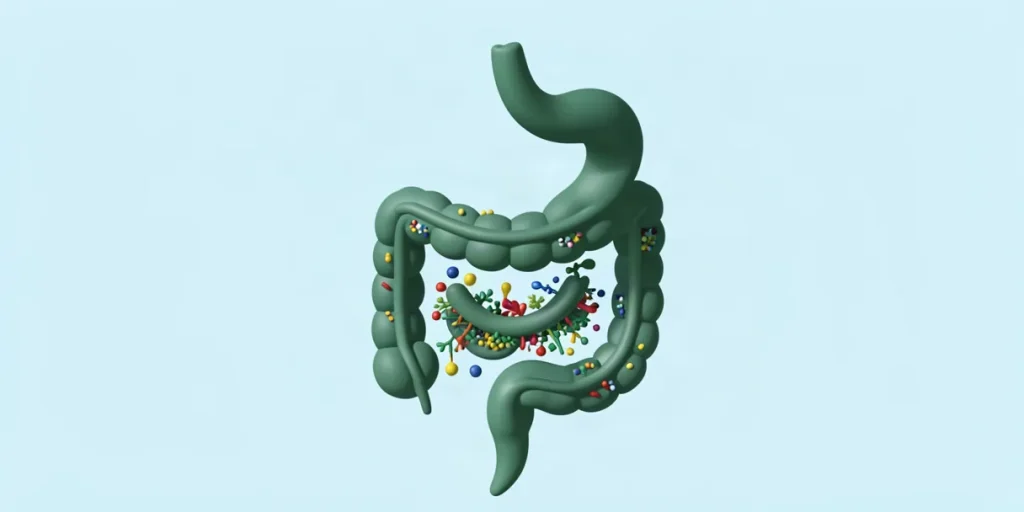
How Is Digestion Structured in Pet Reptiles and Why Does It Matter?
The digestive system of pet reptiles is adapted to their natural diet and requires specific care to maintain health. It includes specialized sections of the gastrointestinal tract and a microbiome that aids in breaking down food. Digestive disorders in reptiles can lead to loss of appetite, constipation, and other serious illnesses.
A key factor is the impact of stress, which according to veterinary clinic Rodentovet (2026), disrupts the gastrointestinal function in 30–40% of pet reptiles, causing digestive issues.
What Are the Digestive Features of Different Reptile Species?
Different reptile species have distinct digestive traits linked to their evolutionary adaptation to diet types — insectivores, herbivores, and predators.
Main Groups and Their Digestive Characteristics
- Green Iguanas — herbivores requiring fiber and plant material. Their digestion can take up to 72 hours due to slow food transit.
- Geckos — insectivores with stomachs and small intestines that process protein faster; food passes in 24–36 hours.
- Grass Snakes — predators digesting large prey, with digestion lasting up to 5 days.
| Species | Diet Type | Digestion Time | Characteristics |
|---|---|---|---|
| Green Iguana | Herbivores | 48–72 hours | Requires fiber, sensitive to calcium deficiency |
| Gecko | Insectivores | 24–36 hours | High protein demand |
| Grass Snake | Predators | 3–5 days | Digests large prey, infrequent feeding |
How Does Stress Affect Digestion in Pet Reptiles?
Stress is one of the main factors disrupting digestion in reptiles. According to veterinary clinic Rodentovet, stress reduces appetite in 35% of pet reptiles and leads to issues such as gastritis and constipation.
Physical and psychological stress impairs intestinal motility, decreases digestive enzyme secretion, and disrupts microbial balance, worsening nutrient absorption.
Causes and Consequences of Stress
- Unsuitable temperature conditions — a key stress factor (optimal temperatures for most reptiles are 26–32 °C).
- Lack of hiding places and high noise levels.
- Improper feeding and frequent handling.
- Ultimately — weakened immunity and chronic gastrointestinal diseases.
Which Foods and Supplements Help Improve Reptile Digestion?
Proper nutrition is the foundation of digestive health in reptiles. It’s important to choose foods based on the species and age of the animal.
For herbivorous reptiles like iguanas, fresh dandelion leaves, wintergreen, and fodder cabbage are recommended. Insectivores such as geckos need live crickets and mealworms enriched with calcium and vitamin D3.
Recommended Supplements and Their Prices
- ReptiCal calcium powders by Zoo Med — prices start at 800 ₽ per 100 g.
- TropiCal vitamin complexes for reptiles — from 1200 ₽ per 50 ml bottle.
- ReptoMin probiotics by Exo Terra — from 900 ₽ for 30 doses.
Adding probiotics helps restore intestinal microflora and improve digestion, especially after stressful situations.
How to Provide Optimal Conditions for Digestion in Pet Reptiles?
Creating a comfortable environment is key to normal digestion. It’s important to maintain temperature, humidity, and lighting, as well as minimize stress factors.
Main Care Criteria
- Temperature gradient in the terrarium of 24–33 °C, with warm and cool zones.
- Hiding spots and structures for climbing and resting.
- Regular feeding according to species and age, considering digestion cycles.
- Minimizing noise and vibrations in the habitat room.
| Parameter | Minimum Standard | Optimal Standard |
|---|---|---|
| Temperature | 22 °C | 26–32 °C |
| Humidity | 40% | 50–70% |
| Lighting Regimen | 8 hours | 12–14 hours with UVB lamp |
Frequently Asked Questions
Why Has My Reptile Lost Its Appetite?
How Often Should Pet Reptiles Be Fed?
Is Additional Lighting Needed for Reptile Digestion?
What Symptoms Indicate Digestive Problems?
Key Takeaways
- Reptile digestion varies by species and requires specific feeding and care routines.
- Stress negatively impacts the gastrointestinal tract and can cause serious diseases.
- Optimal living conditions include temperatures of 26–32 °C, humidity of 50–70%, hiding places, and UVB lighting.
- Using calcium supplements and probiotics improves digestion and prevents deficiencies.
- Regular monitoring of behavior and appetite helps detect problems early.
Understanding digestion specifics in pet reptiles enables owners to provide comfortable conditions and proper nutrition, significantly reducing disease risks and improving pets’ quality of life.
Sources
- Veterinary Clinic — «The Impact of Stress on Reptile Health»
- glavnoehvost.by — «Stress in Reptiles: Causes, Consequences, Prevention»
- scilead.ru — «The Influence of Pets on Human Psychological and Physiological State»
- kopilkaurokov.ru — «Bad Habits and Their Impact on Human Health — Physical Education, Presentations»
- news_enc.academic.ru — «Geomagnetic Storms and Their Impact on Health | What Are Geomagnetic Storms and Their Health Effects?»