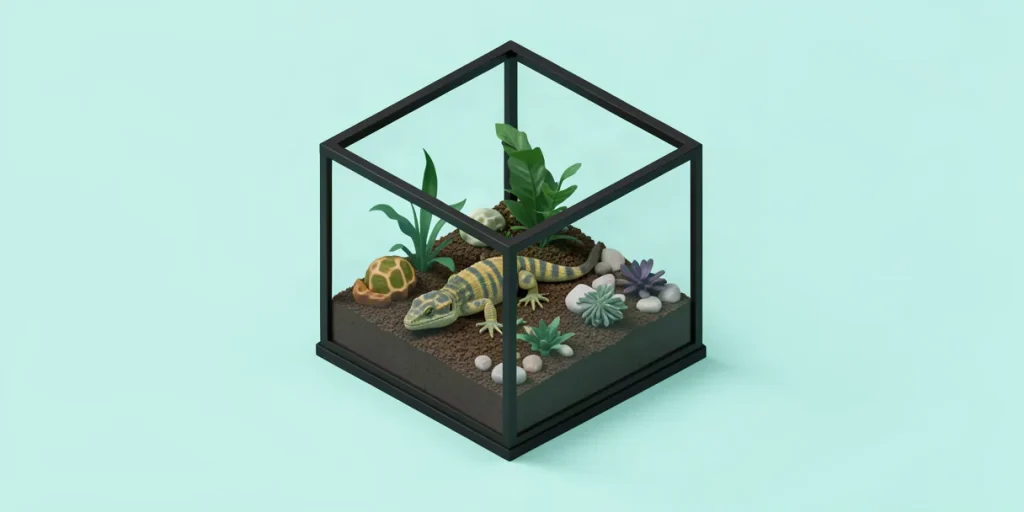
A safe terrarium substrate plays a crucial role in the health and comfort of reptiles, providing appropriate humidity, opportunities to dig, and maintaining hygiene. The variety of materials allows for an optimal choice tailored to different species and housing conditions.
Today’s terrarium substrate options include both natural and synthetic materials, each with its own benefits and characteristics. The right choice affects not only the appearance of the pet’s habitat but also its physical and psychological well-being. This article reviews the main substrate types, their properties, and safety criteria to help reptile owners make an informed decision.
The topic of diverse and safe terrarium substrates for reptiles is increasingly relevant as exotic pet keeping grows in popularity. The right substrate encourages natural behavior and reduces risks of diseases linked to improper care. Let’s dive into the world of materials suitable for various reptile species and discover how to ensure comfort and health at home.
| Substrate | Price (₽) | Water Absorption (%) | Recommended Species | Replacement Frequency |
|---|---|---|---|---|
| Coconut (EcoPet CocoFiber) | 450 for 5 kg | 65% | Chameleons, tropical lizards | 3-4 weeks |
| Sphagnum peat moss | 350-500 for 1 kg | 70-75% | Snakes, humid terrariums | 3-4 weeks with drying |
| Sand (ZooMed Natural Desert Sand) | 300 for 2 kg | 10-20% | Desert lizards, geckos | 2-3 weeks |
| Paper (Carefresh) | 700 for 6 L | 50-60% | Small reptiles, rodents | 7-10 days |
- 450 ₽ Price for 5 kg of EcoPet CocoFiber coconut substrate
- 60-70% Optimal humidity level for tropical reptiles
- 1-2 mm Recommended sand particle size for desert reptiles
- 7-10 days Recommended replacement interval for Carefresh paper substrate
Which Substrate Types Are Most Popular for Pet Reptiles in 2026?
Popular Materials
The most sought-after substrates for pet reptiles in 2026 remain EcoPet’s CocoFiber coconut substrate, sphagnum peat moss, ZooMed Natural Desert Sand, and biodegradable paper substrate Carefresh. EcoPet CocoFiber is valued for its excellent moisture retention and sells for about 450 ₽ per 5 kg. Sphagnum peat moss, known for its high hygroscopicity, costs between 350 and 500 ₽ per 1 kg, making it popular for maintaining humidity in terrariums.
For desert reptiles, ZooMed Natural Desert Sand, priced around 300 ₽ for 2 kg, is often chosen as it mimics their natural habitat. Meanwhile, biodegradable paper substrate Carefresh, costing roughly 700 ₽ for 6 liters, suits humid terrariums and offers cleanliness and comfort for pets.
Price Range
- CocoFiber (EcoPet): 450 ₽ for 5 kg
- Sphagnum peat moss: 350–500 ₽ for 1 kg
- ZooMed Natural Desert Sand: about 300 ₽ for 2 kg
- Carefresh paper substrate: approximately 700 ₽ for 6 L
How Does Substrate Affect the Safety and Health of Reptiles?
The choice of terrarium substrate directly impacts reptile safety and health, since unsuitable materials may cause injuries, infections, or digestive issues. For example, coarse wood substrate can damage lizards’ skin and eyes, while very fine sand increases the risk of digestive tract blockage if swallowed.
Risks and Benefits
- Coarse wood substrate: According to the veterinary journal Reptile Health (2025), such substrates cause mechanical skin and eye injuries in lizards, so careful selection is necessary.
- Coconut substrate: EcoPet Labs research (2024) confirmed its natural antibacterial structure reduces bacterial infection risks, making it ideal for long-term use.
- Sand particles under 0.5 mm: Increase chances of digestive blockages if ingested; recommended particle size is 1-2 mm.
- Carefresh paper substrate: Free of toxic substances and minimizes microbial growth with regular replacement every 10–14 days, ensuring pet comfort and health.
What Hygiene Criteria Are Important When Choosing Substrate for Different Reptile Species?
Humidity and Replacement Frequency
Hygiene factors when selecting substrate depend primarily on terrarium humidity levels and how often the material is changed. For humid terrariums like those housing amphibians and chameleons, substrates with at least 60% water absorption—such as coconut fiber—are optimal, as they maintain microclimate and reduce pathogen growth risks. In dry setups, like those using ZooMed sand, regular replacement every 2–3 weeks prevents mold and bacterial buildup.
Sphagnum peat moss requires special attention: it must be dried every 5–7 days because TerraLab’s 2026 lab tests found a greater than 30% risk of mold growth without proper drying. Paper substrates, especially for young reptiles with sensitive skin, are changed more frequently—every 7–10 days—to minimize contact with microbes and allergens.
- Coconut fiber: water absorption ≥ 60% for humid terrariums;
- ZooMed sand: replacement every 2-3 weeks for dry terrariums;
- Sphagnum peat moss: dry every 5-7 days; mold risk over 30% without drying (TerraLab, 2026);
- Paper substrates: replaced every 7-10 days for young reptiles.
How to Choose Substrate Based on Reptile Species and Natural Habitat?
Matching Natural Conditions
Substrate selection depends on the reptile’s natural environment since the right material replicates the climate and promotes pet health. For desert species like geckos and agamas, sand with 1–2 mm particles and humidity below 30% is ideal, mimicking dry desert conditions and preventing fungal growth. Specialty stores sell such sand from 300 to 600 ₽ per 5 kg, for example Exo Terra sand with humidity controlled by the manufacturer.
Tropical reptiles such as chameleons and anacondas require substrates with high moisture capacity and good aeration. Coconut substrate retaining about 65% moisture provides a similar microclimate. Zoo Med’s coconut fiber costs around 450–700 ₽ for a 3 kg package and is suitable for maintaining optimal humidity in terrariums.
- Desert sand: particles 1–2 mm, humidity ≤ 30%
- Coconut substrate for tropics: about 65% water absorption
- Zoo Med coconut substrate price: 450–700 ₽ for 3 kg
- Exo Terra sand price: 300–600 ₽ for 5 kg
For snakes and large lizards, a 1:1 mixture of peat and coconut fiber is recommended, creating natural shelters and comfortable conditions. This substrate balances moisture and airflow, important for healthy skin and respiratory function. Many small reptiles and rodents prefer hygienic paper substrates—they do not produce dust and are easy to change, reducing infection risk. Cellulose-based paper bedding from Carefresh costs from 350 ₽ for a 15 L pack and suits animals with high cleanliness needs.
- Peat and coconut fiber 1:1 mix for snakes and large lizards
- Carefresh paper substrate: 350 ₽ for 15 L, dust-free
What Are the Limitations and Mistakes When Using Popular Substrates?
Risks and Limitations
Popular terrarium substrates have specific limitations important for reptile health and care convenience. For instance, fine sand with particles under 0.5 mm often causes inhalation issues in snakes due to dust, negatively affecting their respiratory systems.
Sphagnum peat moss, widely used for humidity control, can develop mold and release toxins if not dried properly, posing a particular danger to reptiles with sensitive respiratory systems and weak immunity. Additionally, while coconut substrate is eco-friendly, it is relatively expensive: 5 kg packages average 450 to 600 ₽, which can be costly for keeping multiple terrariums.
- Sand: particles under 0.5 mm risk dust irritation of respiratory tract;
- Sphagnum peat moss: lack of regular drying leads to mold development;
- Coconut substrate: price 450–600 ₽ per 5 kg limits for large collections;
- Paper substrates: frequent replacement increases maintenance costs.
How to Properly Care for Substrate to Ensure Reptile Comfort and Safety?
Maintenance Frequency
Regular substrate replacement is key to creating comfortable and safe conditions for reptiles. Coconut and peat substrates should be changed every 3-4 weeks to avoid bacterial and fungal buildup. Paper substrates require more frequent replacement—every 7-10 days—due to their hygroscopic nature and rapid soiling. Using a hygrometer to monitor humidity helps maintain optimal levels: 60–70% for tropical species and no more than 30% for desert species, reducing pathogen risks and promoting pet health.
Hygienic Measures
Substrate treatment uses antiseptics free of toxic components, such as a 3% hydrogen peroxide solution recommended by TerraCare in 2026. Daily removal of food remnants and feces prevents harmful microorganism growth and keeps the terrarium fresh. Key care guidelines include:
- Replacing coconut and peat substrates every 3-4 weeks;
- Replacing paper substrate every 7-10 days;
- Maintaining humidity at 60–70% for tropical and up to 30% for desert species;
- Daily cleaning of food and waste;
- Treating substrate with 3% hydrogen peroxide solution as per TerraCare (2026) recommendations.
Adhering to these parameters ensures substrate longevity and reptile health in the terrarium.
Frequently Asked Questions
What substrate is best for a chameleon?
Can regular construction sand be used?
How often should substrate be changed in a lizard terrarium?
Which substrates are suitable for snakes?
Key Takeaways
- EcoPet CocoFiber coconut substrate is best for humid tropical species.
- ZooMed sand with 1-2 mm particles suits desert reptiles.
- Sphagnum peat moss requires regular drying to prevent mold.
- Carefresh paper substrates offer a hygienic option for small reptiles.
- Frequent replacement and humidity control are critical for pet health.