Introduction: Which Substrate to Choose for Your Terrarium in 2026?
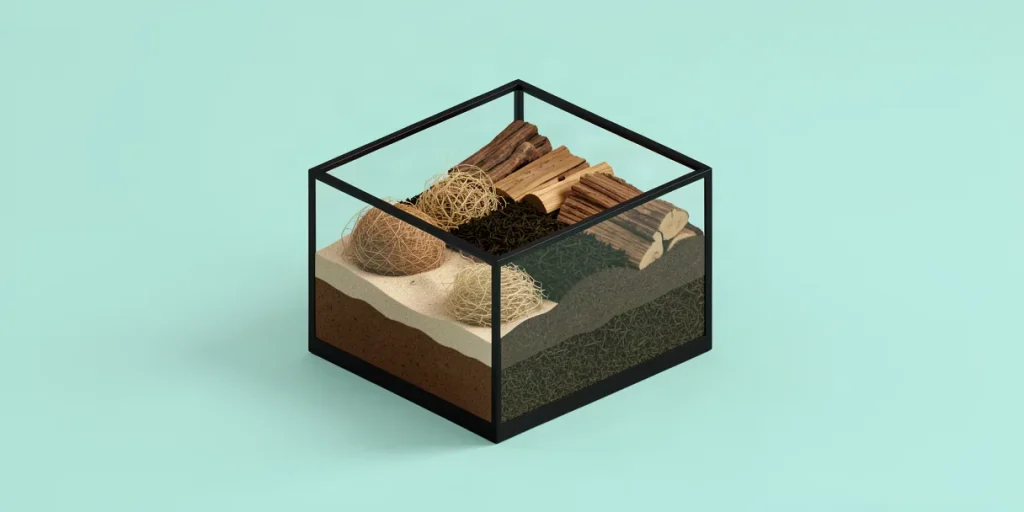
Choosing the right substrate for a terrarium is a crucial part of reptile care, impacting your pet’s health, comfort, and hygiene. In 2026, four main types remain the most relevant: sand, coconut fiber, peat, and wood. Each has unique characteristics regarding moisture levels, safety, and ease of maintenance. In this article, we’ll thoroughly compare these substrates to help owners make an informed choice based on the specific needs of their reptile species.
Sand: The Natural Choice for Desert and Burrowing Species
Sand is considered the classic substrate for desert and burrowing reptiles such as agamas and skinks. In 2026, the most popular option is pure quartz sand with grain sizes from 0.3 to 1 mm, available in stores priced between 150 and 300 ₽ per kilogram.
Pros and Cons of Sand
- Pros: natural environment for desert species, excellent drainage, does not retain moisture;
- Cons: dust when dry, risk of ingesting fine particles, requires regular cleaning.
Sand is well suited for creating a low-humidity microclimate (10-20%). However, experts from Sera recommend mixing sand with clay for burrowing species to improve substrate stability.
| Parameter | Sand | Coconut Fiber |
|---|---|---|
| Cost (₽/kg) | 150–300 | 250–400 |
| Moisture Retention (%) | 5–10 | 50–60 |
| Replacement Interval (days) | 10–14 | 21–30 |
- 10-20% optimal humidity for sand substrate
- 150 ₽ minimum price per kg of quartz sand
- 14 days average time before complete substrate replacement
Coconut Fiber: The Ideal Choice for Forest and Tropical Species
Coconut fiber is an eco-friendly and hygroscopic material derived from coconut husks. In 2026, the most sought-after brand on the Russian market is EcoFiber, priced between 300 and 400 ₽ per kilogram.
Advantages and Limitations
- Advantages: high moisture retention (up to 60%), good air circulation, natural origin;
- Limitations: requires regular airing to prevent mold, can be too moist for desert species.
The optimal humidity for coconut fiber is 50-60%, matching the needs of tropical reptiles like anacondas or chameleons. With proper care, its lifespan reaches 3–4 weeks.
Peat: Natural Substrate with High Moisture Content
Peat is used in terrariums to create a humid microclimate. It can hold moisture up to 70%, making it popular for tropical species. In 2026, Sphagnum peat is sold at prices ranging from 200 to 350 ₽ per kilogram.
Pros and Cons of Peat
- Pros: highly hygroscopic, natural environment for amphibians and moisture-loving reptiles;
- Cons: can become acidic with excess moisture, requires regular humidity monitoring and replacement every 2–3 weeks.
When using peat, it’s important to maintain humidity between 60–70% and regularly check the substrate for mold. Peat is not recommended for dry-loving species due to the risk of fungal diseases.
Wood: Decorative and Functional Substrate
Wood shavings and chips are another substrate option often used for larger reptiles and those that like to hide in bark or wood. In 2026, cedar and pine shavings are popular, starting at 180 ₽ per kilogram.
Features of Wood Substrates
- Advantages: durability, natural appearance, good deodorizing properties;
- Disadvantages: possible release of resins and essential oils that can be toxic, frequent replacement needed due to moisture buildup.
For pet safety, wood substrates should only be used in well-ventilated terrariums and not for species with sensitive respiratory systems. Their lifespan is up to 2 weeks with regular waste removal.
Comparison Table of Main Terrarium Substrates
| Substrate | Moisture Retention (%) | Cost (₽/kg) | Recommended Species | Replacement Interval (days) |
|---|---|---|---|---|
| Sand | 5–10 | 150–300 | Desert, burrowing | 10–14 |
| Coconut Fiber | 50–60 | 250–400 | Tropical, forest | 21–30 |
| Peat | 60–70 | 200–350 | Humid environments, amphibians | 14–21 |
| Wood | 10–30 | 180–300 | Large species | 7–14 |
Frequently Asked Questions
How often should substrate be replaced in a terrarium?
Can one substrate be used for all reptile species?
How to prevent mold in a terrarium?
Which substrates are safe for small reptiles?
Key Takeaways
- Sand is optimal for desert and burrowing reptiles, supporting low humidity levels of 10-20%.
- Coconut fiber maintains high humidity suitable for forest and tropical species.
- Peat retains moisture well but requires monitoring to avoid mold.
- Wood is suitable for large species but needs frequent replacement and caution due to potential toxicity.
- The right substrate choice depends on the pet’s species and natural habitat.
Conclusion
In 2026, the range of terrarium substrates allows for selecting the best option for almost any reptile species. When choosing, focus primarily on your pet’s biological needs, humidity requirements, and substrate safety. Regular care and timely replacement are essential for your pet’s health and comfort. Using trusted products like quartz sand from Sera’s range or EcoFiber coconut fiber will help create the most comfortable conditions in your terrarium.
Sources
- sera.de — “PDF Terrariums-Biotypes — for Reptiles and Amphibians — Sera”
- pets-start.by — “How to Choose the Right Substrate for Your Terrarium? — Pets-start.by”
- dinozoo.lv — “Terrarium Substrate: How to Choose for Your Pet? — Dino Zoo”
- terra.laguna-land.ru — “What’s Better: Live or Artificial Plants for a Terrarium”
- aquatek.com.ua — “Terrarium and Everything for It — Online Store Aquatek”