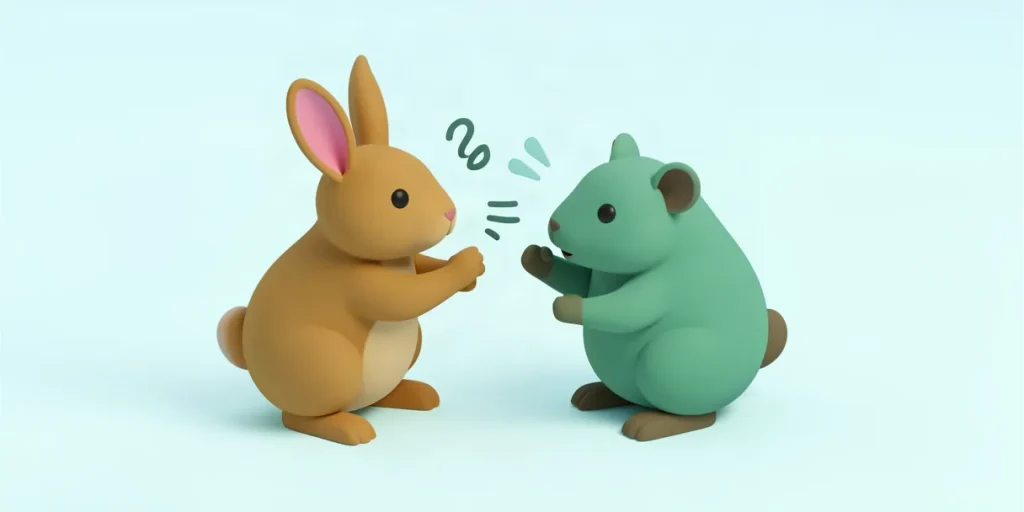
Introduction: Why It’s Important to Understand Rodent and Rabbit Behavior
Pet rodents and rabbits are popular companions that require attentive care to their unique behaviors and communication methods. Understanding the signals they send helps improve their quality of life and strengthens the bond with their owners. For example, rabbits express joy through jumping and purring sounds, while rodents use vocalizations and body movements to communicate with both their peers and humans. In 2026, the Russian market offers over 20 specialized toys and accessories designed to stimulate the natural behaviors of these pets, helping owners better meet their needs.
Ways Pet Rodents and Rabbits Communicate
Rodents and rabbits communicate not only through sounds but also through behavior and physical contact. Recognizing this is essential for proper care and training.
Vocal Communication
Rabbits can produce distinctive sounds similar to a goose’s cry, signaling boredom or discomfort. Rodents, such as guinea pigs, use various whistles and clicks to express their moods.
Body Language and Behavioral Signals
- Jumping and «side flips» in rabbits are signs of happiness and contentment.
- Ear twitching and teeth grinding indicate emotional states.
- Nudging objects with the nose shows curiosity and a desire to play.
Understanding these signals helps owners respond promptly and create a comfortable environment.
Social Needs and Environmental Influence
Rodents and rabbits are social animals that need interaction and a safe space. In 2026, experts at the pet store «Pet and Home» recommend keeping rabbits in pairs to reduce stress and increase activity levels.
The Importance of Companionship
A lonely rabbit or guinea pig often shows signs of anxiety: teeth grinding or apathy. Proper social surroundings encourage natural behavior and lower the risk of illness.
Creating a Safe Environment
- Use cages with at least 1 sq.m of space for rabbits.
- Provide shelters and resting areas.
- Regularly update toys and chew items.
These factors are crucial for maintaining pets’ mental health.
Recognizing Emotional States
Identifying your pet’s mood helps prevent behavioral problems and improve care.
Positive Signs
- Active exploration of their territory.
- Jumping with simultaneous spinning—so-called «binkies» in rabbits.
- Purring and teeth rubbing during moments of pleasure.
Negative Signals
- Teeth grinding with a sharp sound—sign of pain or stress.
- Isolation and refusal to eat.
- Aggressive behavior without obvious cause.
Owners should observe carefully and consult a veterinarian if needed.
Practical Recommendations for Interaction
Proper interaction with pets is based on understanding their communication traits.
Encouragement Methods
- Using affection and treats to encourage positive behavior.
- Playing with objects like ping pong balls for rabbits, which helps satisfy their need to chew and move.
Training and Habituation
Rabbits can learn commands and use a litter box, which reduces stress and simplifies care. Positive reinforcement methods are recommended with training sessions 2-3 times a week.
| Sign | Rabbits | Rodents |
|---|---|---|
| Sounds | Cries, purring | Whistles, clicks |
| Body Language | Jumping, ear twitching | Grooming, nose rubbing |
| Social Behavior | Live in pairs or groups | Varies by species, often social |
| Trainability | High, litter box training | Medium, depends on species |
Frequently Asked Questions
How can I tell if my rabbit is stressed?
Is it okay to keep several rodents together?
What toys are best for rabbits?
How do I train my rabbit to use a litter box?
Key Takeaways
- Rodents and rabbits communicate through sounds, movements, and physical contact.
- Jumping and purring in rabbits are signs of joy and satisfaction.
- Social companionship and a safe environment are vital for pet well-being.
- Knowing positive and negative signals helps owners respond promptly to their pets’ needs.
- Toys and training ease care and improve quality of life.
Understanding the behavior of pet rodents and rabbits in 2026 has become easier thanks to modern guidelines and care products. Owners who apply this knowledge can create a comfortable, harmonious environment for their pets, directly impacting their health and mood.
Sources
- ru.wikihow.com — «How to Understand Your Rabbit»
- Zapovednik — «Rabbits: Species, Description, Keeping and Care of a Pet Rabbit»
- t-j.ru — «Rabbit in an Apartment: How to Keep, Care for, and Feed»
- hvost.news — «What You Need to Know About Rabbit Behavior?»
- masterzoo.ua — «How to Tell if Your Rabbit Is Happy?»