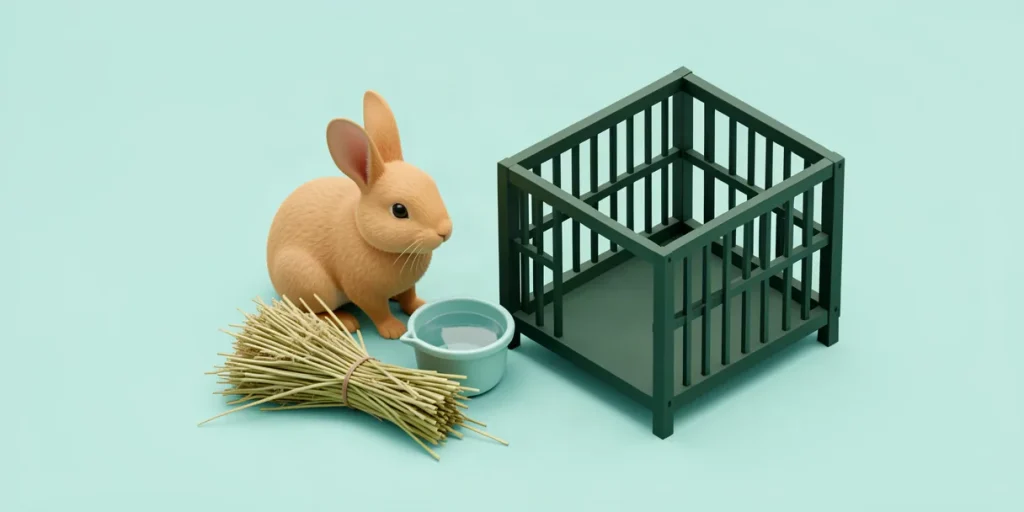
With proper care, a lop-eared rabbit typically lives around 7–10 years. It needs a spacious, safe area, constant access to hay, fresh water, suitable food, and regular checkups with a veterinarian; its ears and teeth need particular attention.
Ears that lie close to the head are a characteristic feature of lop-eared rabbits, but this does not change a pet’s usual needs and may call for careful monitoring of ear health. This article explains how to care for your rabbit, what to look out for in everyday life, and what can help keep it feeling well.
| Task | What to do | Frequency or guideline |
|---|---|---|
| Diet | Hay, fresh vegetables, grass, specialized food | Daily |
| Water | Keep fresh water available | At all times |
| Activity | Provide opportunities to move around | 2–4 hours a day |
| Nails | Trim them before they become overgrown | Every 2–3 months |
| Housing | Clean the living area regularly | Regularly |
- 7–10 years Typical lifespan of a lop-eared rabbit
- 11–12 years An age that some rabbits reach, but rarely
- 1,7–1,9 kg Approximate weight
- 2–4 hours a day Recommended daily activity
- 2–3 months Interval between nail trims
How long do lop-eared rabbits live, and what affects their lifespan?
Lop-eared rabbits typically live 7–10 years, and few reach 11–12. These are approximate figures: breed or appearance alone cannot guarantee how long an individual pet will live.
A lop-eared rabbit’s lifespan is affected by genetics, diet, and activity. Its diet should include hay, fresh vegetables, and specialized rabbit food; it needs 2–4 hours of exercise each day. These conditions help support the animal’s health, but they cannot predict its exact lifespan.
Size does not predict longevity
A dwarf lop-eared rabbit typically weighs 1,7–1,9 kg and measures about 30–35 cm in body length. These figures describe its size, not its lifespan: when choosing a pet, consider the breed’s age range, but do not treat either its compact build or distinctive appearance as a guarantee of longevity.
What should a lop-eared rabbit’s diet include?
A lop-eared rabbit’s diet should include hay, fresh vegetables and grass, specialized rabbit food, and constant access to fresh, cool water. Hay is the foundation of its daily diet, while rabbit food supplements it rather than replacing it.
Vegetables and grass complement hay and specialized food. Introduce new foods gradually, watching how your pet responds; greens and vegetables should be fresh, and water should be clean and cool. Keep a water bowl or bottle available at all times, not just at feeding time.
Treats and unsuitable foods
Wheat and oats can be offered as treats, but only in moderation: too many of these snacks are not suitable as the everyday basis of a diet. Meat and milk are not recommended for rabbits. In other words, it is important to distinguish between the dietary staples—hay, vegetables, grass, and specialized food—and occasional grain treats.
How should you set up your rabbit’s home and daily activity?
A lop-eared rabbit needs a regularly cleaned living area, constant access to fresh water, and 2–4 hours of daily activity outside a cramped cage. Set up a safe space where it can move around rather than assuming its permanent living quarters provide enough room.
Regularly clean the cage or other living area, removing soiled material, and change the water so it remains available at all times. Hay, fresh vegetables, and specialized rabbit food should be part of your rabbit’s routine; a water bowl is as much a part of its everyday setup as clean housing.
Daily rabbit care
Set aside 2–4 hours every day for activity outside its cramped permanent enclosure: give your rabbit room to move freely and explore a safe space. Daily care also includes grooming its coat and ears. Check them regularly for dirt and keep them clean gently; do not limit ear and coat care to cage-cleaning time.
How should you care for your rabbit’s ears, coat, and nails?
A lop-eared rabbit’s ears, coat, and nails need separate attention: inspect the ears regularly and keep them clean, maintain the coat’s cleanliness, and trim the nails every 2–3 months. None of these tasks replaces the others.
Check the drooping ears regularly: if you notice dirt, do not ignore it; gently keep the ears clean. Ear health is particularly important to check in lop-eared rabbits because of their distinctive ear shape. Ear care is a separate task, unrelated to brushing the coat or trimming the nails.
The coat needs regular grooming, and the nails should be trimmed about once every 2–3 months to prevent them from becoming overgrown. Do not put off coat care until the next nail trim: the two procedures have different purposes and schedules. This separate approach helps keep the coat clean, monitor the ears, and prevent the nails from growing too long.
What mistakes can harm a rabbit?
A lop-eared rabbit can be harmed by a diet without hay, lack of constant access to fresh water, too little daily exercise, and the belief that spaying or neutering guarantees a long life. These mistakes deprive a pet of important elements of care, but the information provided does not allow us to assign them a precise level of risk or promise a specific lifespan.
- Do not replace hay with wheat or oats. Hay should remain part of the diet alongside fresh vegetables and specialized rabbit food; wheat and oats are listed as treats. Making them the main food would disrupt the recommended diet.
- Do not leave your rabbit without fresh water. Water should be available at all times; providing it only occasionally or withholding it does not follow the care recommendations.
- Do not restrict movement. A lop-eared rabbit needs 2–4 hours of exercise every day. Staying in a cage all the time without this activity does not meet the guideline.
- Do not treat surgery as a guarantee of longevity. The information provided mentions only a possible lifespan increase of up to 4 years after spaying or neutering. This is not a promised outcome for every animal.
Lop-eared rabbits typically live 7–10 years, and some may reach 11–12. Their lifespan is affected not only by an owner’s individual decisions, but also by genetics, diet, and an active lifestyle.
Can spaying or neutering extend a rabbit’s life?
Spaying or neutering may extend a lop-eared rabbit’s life—the information provided gives a possible increase of “up to 4 years,” but this is not guaranteed for every animal. Lop-eared rabbits typically live 7–10 years, and some pets reach 11–12; surgery alone does not promise a lifespan in that range.
The decision to proceed with surgery should be made after consulting a veterinary professional who can take the individual rabbit’s health and circumstances into account. Do not interpret “up to 4 years” as an exact prediction or a reason to make the decision on your own: it describes a possible maximum, not a promised increase in lifespan.
Care remains important after surgery
Spaying or neutering does not replace everyday care: a lop-eared rabbit still needs hay, fresh vegetables and specialized rabbit food, clean housing, and regular activity. The information provided recommends 2–4 hours of daily exercise and trimming the nails every 2–3 months.
Key Takeaways
- Typical lifespan: 7–10 years; reaching 11–12 is rare.
- Size: about 1,7–1,9 kg and 30–35 cm long.
- Daily activity should last 2–4 hours.
- Trim the nails every 2–3 months; keep water available at all times.
Frequently Asked Questions
How many years do lop-eared rabbits typically live?
How often should you trim a lop-eared rabbit’s nails?
How much exercise does a rabbit need each day?
Can rabbits have meat or milk?
Sources
- krola.org — “The Lop-Eared Ram Rabbit Is Ideal for Beginners and Children — Pet Rabbits”
- Khvost News — “Lop-Eared Ram Rabbit: Description and Characteristics of the Dwarf Ram Breed, Care and Breeding”
- Zapovednik — “Rabbits: Types, Description, Housing, and Care for a Pet Rabbit”
- goodhands.vet — “How Long Do Pet Rabbits Live?”
- birdexoticsvet.com — “Rabbit Care Guide | Rabbit Vet”
