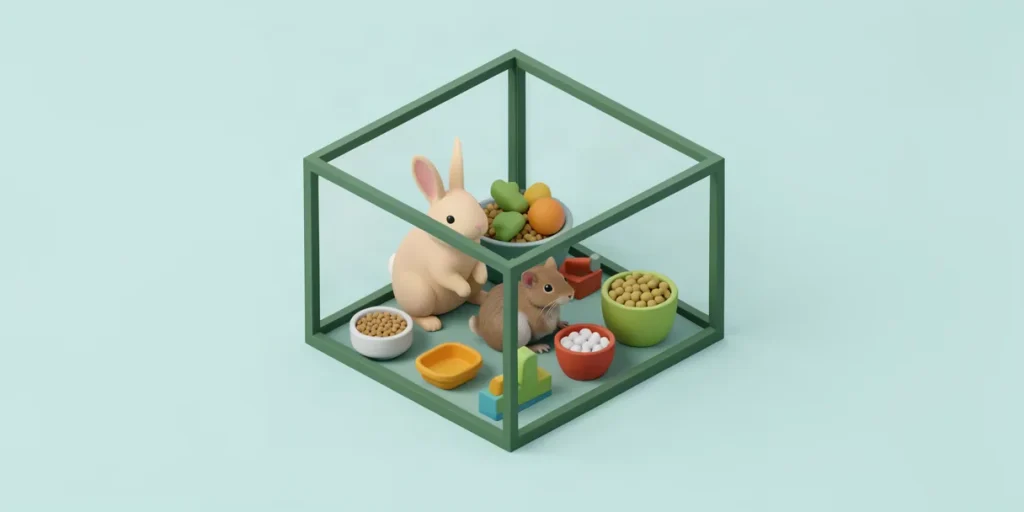
Training and understanding pet rodents and rabbits requires patience, careful observation, and knowledge of their behavior to build trust and provide a comfortable environment. Key methods include regular interaction, creating a safe space, and positive reinforcement to establish good habits.
Pet rodents and rabbits are sensitive and intelligent animals that respond to their owner’s mood and actions. Understanding their natural instincts and behavioral traits helps not only to avoid stressful situations but also promotes successful training. In this article, we’ll cover essential tips and techniques to help you connect with your pets and make living together as enjoyable as possible.
If you want to learn more about proper care, diet, and living conditions for these animals, we recommend checking out our comprehensive guide «Complete Overview of Care and Keeping of Rodents and Rabbits.» Details about training nuances and behavioral characteristics of pet rodents and rabbits can be found in our analysis «How to Train and Understand Pet Rodents and Rabbits: Tips and Methods.»
| Method | Average Price (₽) | Recommended Time | Effect |
|---|---|---|---|
| Treats (dried carrot, apple) | 150–300 per 100 g | 5–10 minutes | Positive reinforcement, builds trust |
| Toys (Trixie wooden maze) | about 1200 | 15 minutes | Stimulation and physical activity |
| Regular interaction | free | 15 minutes | Bonding and stress reduction |
| Microclimate control | depends on equipment | constant | Pet comfort and health |
- 7–14 days adaptation period for rabbits to a new home
- 15 minutes recommended daily interaction time with the pet
- 150–300 ₽ cost of 100 g of treats for rodents
- 18–22 °C optimal housing temperature
- 40–60 % optimal indoor humidity
How to Identify Types of Behavior in Pet Rodents and Rabbits?
Typical Signs of Stress and Happiness
Rabbits mainly show stress by scratching the cage, observed in 30–40% of cases during the first 10 days of adapting to a new home. Hamsters express happiness and good health by running energetically in a wheel, requiring at least 20 minutes of activity daily. Guinea pigs display pleasure through teeth chattering, which can be noticed by the 5th day of keeping. These behavioral signs help quickly assess the emotional state of pets and adjust care accordingly.
Sound and Behavioral Signals
- Degu produce clicking sounds for communication, noted in 15–20% of cases during the first two weeks of cohabitation.
- Teeth chattering in guinea pigs indicates pleasure and appears from the 5th day of keeping.
- Scratching movements by rabbits on the cage indicate stress during the first 10 days of adaptation in 30–40% of cases.
- Hamsters need at least 20 minutes of active running in a wheel, which signals their happy state.
Monitoring these specific sound and behavioral signals allows rodent and rabbit owners to understand their pets’ moods and respond promptly to changes in behavior.
Which Training Methods Work Best to Strengthen the Bond with Your Pet Rodent?
Positive Reinforcement with Treats
An effective way to strengthen the bond with your pet rodent is using treats as positive reinforcement. For example, dried carrot or apple chips, costing between 150 and 300 ₽ per 100 g, encourage the pet to follow commands and approach the owner with trust. Regular rewards help the rodent associate behavior with a treat, making training much easier.
Play and Interaction
Daily active interaction with your rodent for at least 15 minutes is crucial for building trust and a strong bond. Toys such as wooden mazes by Trixie, priced around 1200 ₽, promote the development of your pet’s intellectual and physical skills and stimulate its interest in socializing with you. Providing comfortable conditions with a temperature of 18-22°C and 40-60% humidity further supports the animal’s activity and well-being.
- Treats: dried carrot, apple chips, from 150 to 300 ₽ per 100 g;
- Toys: Trixie wooden mazes, about 1200 ₽;
- Interaction time: at least 15 minutes daily;
- Comfortable microclimate: 18-22°C, 40-60% humidity.
How to Choose the Right Diet for Rodents and Rabbits Considering Training?
The Role of Fiber in the Diet
A proper diet for rodents and rabbits starts with high fiber content, which supports digestive health and promotes normal tooth wear. Feed rich in fiber, like Timothy Grass hay recommended specifically for rabbits, costs on average 250–400 ₽ per kilogram and is a basic dietary element.
Besides hay, it’s important to avoid feeds high in sugar and grains, as they can cause obesity and dental problems. Constant access to fresh water, at least 250 ml in a water bottle, is also necessary to maintain hydration and overall health.
Supporting Health with Vitamins
Vitamin supplements play an important role in maintaining immunity and overall condition of rodents and rabbits, especially during active training and learning. For example, the Vitakraft vitamin complex for rodents costs about 500 ₽ per package and contains essential micronutrients not always supplied by the main feed.
- Timothy Grass hay – 250–400 ₽ per 1 kg, the fiber base.
- Vitakraft vitamin complex – about 500 ₽ per package.
- Water bottle volume – at least 250 ml for constant access to water.
- Avoid feeds high in sugar and grains to prevent obesity.
What Are the Most Common Mistakes Owners Make When Training Rodents and Rabbits?
Communication and Training Errors
The most frequent mistake among rodent and rabbit owners is a lack of daily interaction, which occurs in 50% of beginners due to time constraints. Regular engagement is essential for pet socialization and stress prevention. Overusing treats leads to digestive issues and obesity: excess sugary or fatty additions contradict veterinary norms and negatively affect health.
Ignoring signs of illness is another common error; veterinary clinics report that 20% of rodents are brought in with complications due to late symptom detection. Careful observation of behavior, coat condition, eyes, and appetite helps owners seek help in time and avoid serious problems.
Errors in Choosing Accessories
- Plastic toys without ventilation often cause stress in rodents due to poor air circulation and odor buildup.
- Unsuitable cage types — cages with small bars or lacking space for movement limit activity, leading to health deterioration.
- Price and quality — saving money on accessories, for example buying cheap models for 500–700 ₽ instead of trusted brands costing from 1500 ₽, often results in quick wear and injuries.
How to Measure Progress in Training and Adaptation of a Pet Rodent or Rabbit?
Adaptation Timeframes
The adaptation period for pet rodents and rabbits usually lasts from 7 to 14 days, during which it’s important to assess reduced stress signs and appetite recovery. For rabbits, normalization of behavior and return to active eating indicate successful adjustment to the new home.
Regularly weighing the pet at one-week intervals helps monitor weight stability — no weight loss indicates adequate nutrition and low stress levels. For medium-sized rabbit breeds, weight fluctuations should not exceed 3% per week.
Behavior Monitoring Methods
- Keeping a behavior journal with daily notes on activity, reactions to new toys, and commands helps track adaptation dynamics and identify stress factors.
- Scheduled veterinary checkups every six months are necessary to evaluate the pet’s health and adjust training methods, including feed choices and interaction routines.
For monitoring weight and health, using Zoomer electronic scales costing around 2500–3500 ₽ is recommended. This approach helps promptly detect deviations and adjust care conditions for your rodent or rabbit.
Frequently Asked Questions
How long does it take for a rabbit to adapt to a new home?
Which treats are suitable for rewarding rodents without harming their health?
Can the same training methods be used for all types of rodents?
How often should you play with pet rodents and rabbits to strengthen the bond?
Key Takeaways
- Rabbit stress shows as cage scratching during the first 10 days
- Rodent treats cost from 150 ₽ per 100 g and aid training
- Pet adaptation lasts 7–14 days with behavior monitoring
- Daily interaction for at least 15 minutes builds trust
- Common mistakes include lack of time and wrong toys