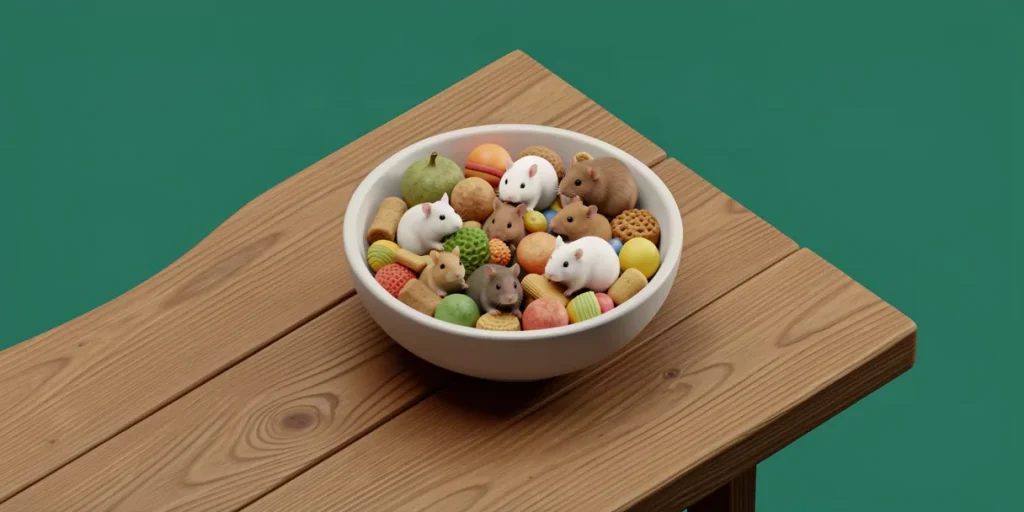
The best treats for rodents and rabbits are those that enrich their diet with beneficial nutrients, support dental health, and promote activity without the risk of overeating sugar or harmful additives. When choosing treats, it’s important to consider their natural ingredients, portion sizes, and the individual needs of your pet.
Rodents and rabbits require a balanced diet that helps maintain healthy teeth and digestive systems. Treats should not replace main meals but serve as a supplement that stimulates natural behaviors and physical activity. Properly selected treats support health and improve the quality of life for your pets.
In this article, we’ll explore which treats for rodents and rabbits are truly beneficial, what to watch for when selecting them, and how to avoid common mistakes. This will help keep your little friends healthy and active while making their diet varied and safe.
| Type of Treat | Fiber Content | Sugar Content | Price, ₽/package |
|---|---|---|---|
| Timothy Hay | 18-22% | 0% | 150-250 |
| Dried Apples | 5-7% | 15-20% | 180-300 |
| Sunflower Seeds | 10% | 1-2% | 200-350 |
| Dried Carrots | 12-15% | 10-12% | 150-280 |
- 18-22% fiber in Timothy Hay
- 5-10% maximum fat proportion in rodents’ and rabbits’ treat diets
- 150-300 ₽ price of a package of quality Versele-Laga treats
- 7-10 days observation period for pet’s reaction when introducing a new treat
Which Types of Treats Are Suitable for Rodents and Rabbits and What Are Their Benefits?
Main Types of Treats
Suitable treats for rodents and rabbits include hay, natural vegetables and herbs, nuts and seeds, as well as dried fruits, each playing important roles in their diet and to be used considering their composition and benefits. For example, Timothy Hay contains 18–22% fiber and forms the dietary foundation for rabbits, supporting digestion. Treats from the Versele-Laga brand include natural herbs and vegetables, with prices ranging from 150 to 300 rubles per package. Nuts and seeds, such as sunflower seeds, contain up to 50% fat, providing energy but requiring moderate use. Dried apples and carrots are sources of vitamins and are recommended no more than 1–2 times per week.
Health Benefits
A variety of treats helps maintain pet health and activity by supplying necessary fiber, vitamins, and energy. The high fiber content in Timothy Hay promotes normal digestive function in rabbits, while natural herbs and vegetables from Versele-Laga provide vitamins and minerals. Nuts and seeds, despite their high fat content, are valuable for replenishing energy but should be limited to avoid obesity. Dried apples and carrots, rich in vitamins, boost immunity and support overall health with regular but infrequent feeding.
- Timothy Hay — 18–22% fiber, the dietary base for rabbits
- Versele-Laga treats — natural herbs and vegetables, priced 150–300 ₽ per package
- Sunflower seeds — up to 50% fats, an energy source, used moderately
- Dried apples and carrots — vitamin sources, given 1–2 times per week
How Do Treats Affect the Health and Activity of Pets?
Positive Effects
Treats for rodents and rabbits contribute to improved health and maintained activity when their composition and quantity are properly selected. Fiber from hay included in many treats enhances digestion and reduces the risk of gas buildup in pets. For instance, Timothy Hay from Oxbow Pet Products contains about 30% fiber, which aids in normalizing intestinal function. High-fat treats such as mixtures of seeds and nuts provide extra energy but should not exceed 5–10% of the daily diet to avoid overload. Vegetable treats like dried carrots or broccoli from Vitakraft supply vitamins and antioxidants that support immunity and increase activity.
Risks of Improper Use
Excess sugar in fruit-based treats can lead to obesity and dental issues in rodents and rabbits. The veterinary center «Zoovet» noted in 2026 that frequent overfeeding of sweet treats increases the risk of dental diseases and metabolic disorders. Likewise, overconsumption of fatty seeds and nuts may cause liver problems and weight gain. To avoid negative effects, it is important to maintain balance and limit treats to 5–10% of the daily diet.
- Fiber from hay — about 30% in treats
- Fats (seeds and nuts) — no more than 5–10% of diet
- Avoid excess sugar from fruits as advised by «Zoovet» veterinary center (2026)
- Vitamins and antioxidants from vegetable treats support immunity and activity
What Risks and Contraindications Exist When Choosing Treats for Rodents and Rabbits?
Dangerous Ingredients
When selecting treats for rodents and rabbits, it’s important to avoid products high in sugar, starch, and forbidden nuts, as they can cause serious health problems. Excessive sugary treats can result in diarrhea and tooth decay, as noted by specialists at the «Pitomec» veterinary clinic in 2026. Additionally, treats containing more than 10% starch by weight may cause bloating and digestive disturbances in rabbits and rodents.
- Sugary treats — risk of diarrhea and cavities;
- Starch content above 10% — causes bloating;
- Peanuts — forbidden due to toxicity and high fat content;
- Cheap unlabelled alternatives — may contain harmful additives.
Allergic Reactions and Toxicity
Treats with artificial additives, dyes, and preservatives can trigger allergic reactions in rodents and rabbits. Particularly dangerous are cheap products without clear ingredient labeling, which often include synthetic components. For example, peanuts, a common nut in treats, are banned for these pets due to the risk of toxicity and excessive fat content that can lead to obesity. Careful examination of ingredients and choosing certified manufacturers help minimize these risks.
How Often and In What Quantities Can Treats Be Given to Rodents and Rabbits?
Dosage and Frequency
It is recommended to give treats to rodents and rabbits no more than 2–3 times a week and in amounts not exceeding 5–10% of the daily caloric intake. For example, a 2 kg rabbit should receive approximately 15–30 grams of treats per day to avoid digestive disorders and maintain interest in food.
The veterinary feeding standard for small pets, approved in 2025, emphasizes the need to monitor pet weight and dental health when introducing treats. Excess sweet or fatty snacks can lead to obesity and dental problems, which is especially relevant for rodents and rabbits with continuously growing incisors.
Rules for Introducing New Products
New treats should be introduced gradually, monitoring the pet’s reaction over 7–10 days. This allows detection of possible allergies or intolerance and prevents digestive upset. If no negative symptoms occur during this period, the treats can be included in the regular diet within the allowable dosage.
- Observation period — 7–10 days;
- Maximum treat quantity — 5–10% of daily calorie allowance;
- Feeding frequency — 2–3 times per week;
- Weight and dental condition control according to the 2025 veterinary standard.
Common Mistakes Made by Owners When Choosing and Giving Treats
Feeding Instead of Food
A major mistake by rodent and rabbit owners is frequent use of treats as the main diet, leading to fiber deficiency and nutritional imbalance. For example, rabbits require at least 70% of their diet from roughage and hay for proper digestion, and treats should not exceed 5–10% of the daily food volume. Exceeding this limit reduces gastrointestinal activity, increasing the risk of intestinal diseases.
Quality and Storage
Ignoring the composition and proper storage of treats is the second common error. Inexpensive treats sold for 50 to 150 rubles per 100-gram package often lack mandatory quality certificates and may contain harmful additives. Moisture above 14% during storage promotes mold growth, which produces toxins dangerous to pets. Top manufacturers like «ZveroLakomka» and «FaunaPlus» indicate storage conditions and shelf life up to 12 months at temperatures not exceeding 20 °C on their packaging.
- Fiber content at least 15% in rodent treats;
- Package moisture not exceeding 14% to prevent mold;
- Treats should make up no more than 10% of daily diet;
- Shelf life — up to 12 months, with storage temperature 15–20 °C.
Frequently Asked Questions
Is it okay to give rabbits fresh fruit as a treat?
What treats are safe for pet hamsters?
How can I tell if a treat causes an allergy in my pet?
Can treats be used for training rodents and rabbits?
Key Takeaways
- Treats should not exceed 10% of the daily diet
- Avoid products with artificial additives and high sugar content
- Introduce new treats gradually, monitoring the pet’s reaction
- Control the quality and proper storage of treats
- Use treats as a supplement, not a replacement for main food