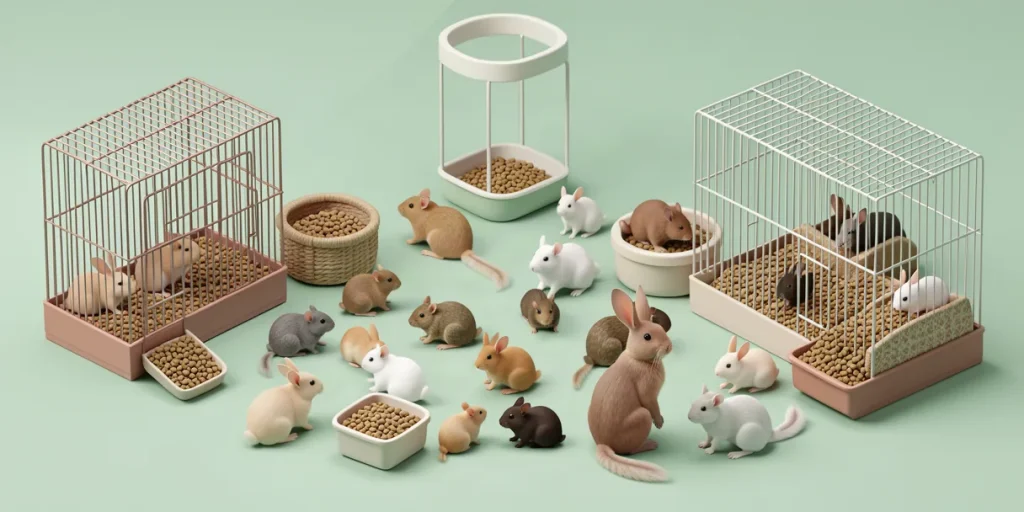
Rodents and rabbits remain among the most popular pets in 2026, yet they differ greatly in behavior and care requirements. To choose the right pet, it’s important to understand each species’ traits, diet, living conditions, and temperament. This article takes an in-depth look at various rodents and rabbits, revealing characteristic behaviors and offering practical care tips based on the latest expert advice and data.
Popular Rodent Species: Characteristics and Care
In 2026, the most sought-after rodents are hamsters, guinea pigs, chinchillas, and rats. Each species has unique features that influence their selection and care.
Main Rodent Types
- Hamsters — compact and active, living on average 2-3 years, requiring a cage at least 40×30 cm, with cage prices starting from 1500 ₽. They love to chew and dig.
- Guinea Pigs — social and larger than hamsters, living 6-8 years, needing cages from 70×40 cm, with quality cages costing from 4000 ₽. They require vitamin C in their diet.
- Chinchillas — very active and agile, living 10-15 years, needing spacious cages from 1 m³, with cages priced from 8000 ₽. Their dense fur necessitates dry baths.
- Rats — intelligent and trainable, lifespan 2-3 years, needing cages from 50×40 cm, averaging 3000 ₽. They are highly social and best kept in pairs.
| Species | Average Lifespan | Minimum Cage Size | Average Cage Cost (₽) | Care Features |
|---|---|---|---|---|
| Hamster | 2-3 years | 40×30 cm | 1500 | Loves chewing, requires frequent bedding changes |
| Guinea Pig | 6-8 years | 70×40 cm | 4000 | Needs vitamin C, social |
| Chinchilla | 10-15 years | from 1 m³ | 8000 | Requires dry baths, highly active |
| Rat | 2-3 years | 50×40 cm | 3000 | Social, easily trainable |
Rabbits: Types and Care Requirements
Rabbits are herbivores with a wide range of temperaments and sizes, which affects their care and living conditions. In 2026, decorative dwarf rabbits and medium-sized domestic rabbits are the most popular.
Breed Features and Care
- Dwarf Rabbits — weighing up to 1.5 kg, requiring a cage or enclosure of at least 1.2 m², with cage prices starting from 5000 ₽; they adapt well to apartment living.
- Medium Rabbits — weighing 2 to 4 kg, needing spacious enclosures from 2 m², with enclosure prices from 9000 ₽; they are more active and need greater attention.
A rabbit’s diet should consist of 70% hay, with the rest made up of fresh vegetables, greens, and clean water. Rabbits often eat up to six times a day, which is important to consider when planning care.
Behavioral Traits: Understanding Your Pet
Each rodent and rabbit species has unique behaviors reflecting their needs and personality. Understanding these traits helps create comfortable conditions and build a good relationship with your pet.
Typical Behaviors and Human Interaction
- Hamsters — nocturnal, active at dusk and night, prefer solitude.
- Guinea Pigs — diurnal, enjoy socializing, can make various sounds to communicate.
- Chinchillas — very lively, need constant opportunities to jump and run.
- Rats — intelligent and curious, easily trained and interact well with owners.
- Rabbits — curious and social, love exploring their surroundings and require regular exercise.
For example, a rat can learn simple tricks within 10-15 training sessions, making it an engaging pet for active owners.
Health and Hygiene Care
Caring for rodents and rabbits involves maintaining cleanliness, providing proper nutrition, and regular veterinary check-ups. In 2026, specialists recommend the following measures to keep pets healthy.
Key Recommendations
- Regular cage cleaning — at least once a week for hamsters and guinea pigs, twice a week for rabbits and chinchillas.
- Prevention of dental diseases — especially important for rabbits and chinchillas, as their teeth continuously grow.
- Providing enough space for movement — minimum 1 m³ for chinchillas and 2 m² for rabbits.
- Vaccinations and deworming — as advised by a veterinarian, particularly for rabbits.
According to the Russian Veterinary Association, timely care and preventive measures reduce disease risk by 30-40%.
Diet and Nutrition: What You Need to Know
Proper nutrition is fundamental to the health of rodents and rabbits. In 2026, the market offers specialized feeds from companies like VetLine and ZooPit, formulated to meet each species’ needs.
Key Diet Components
- Rodents are fed plant-based foods: hay, fresh grasses, and vegetables. Chinchillas require hay with low moisture content and special feed to maintain their fur.
- Rabbits — 70% of their diet is hay, supplemented with fresh vegetables (carrots, cabbage), herbs, and clean water.
- Avoid feeds high in sugar and grains to prevent obesity and digestive issues.
| Product | Manufacturer | Price (₽ per 500 g) | Features |
|---|---|---|---|
| Chinchilla Premium Mix | VetLine | 450 | Optimal for chinchillas, balanced minerals |
| Guinea Pig Vital | ZooPit | 380 | With added vitamin C, for guinea pigs |
| Rabbit Care Feed | VetLine | 420 | Hay with additives to support rabbit teeth |
| Hamster Delight | VetLine | 350 | Dry feed with grains and vegetables for hamsters |
Frequently Asked Questions
Is it possible to keep different rodents together in one cage?
How often should a rabbit’s bedding be changed?
What kind of cage is best for a chinchilla?
Is vaccinating pet rabbits necessary?
Key Takeaways
- Choosing a rodent or rabbit depends on your lifestyle and living conditions — consider the pet’s activity level and size.
- In 2026, feeding should focus on specialized feeds supplemented with hay and fresh vegetables.
- Ensure ample space: at least 40×30 cm for hamsters, 1 m³ for chinchillas, and 2 m² for rabbits.
- Regular hygiene and veterinary care reduce disease risk by 30-40%.
- Understanding pet behavior helps build rapport and avoid stress.
In 2026, rodents and rabbits continue to be excellent pets for a wide range of families, from beginners to experienced breeders. Choosing the right species, cage, feed, and attention to health is the key to a long and happy life for your little companion. Learn each pet’s traits, consider your capabilities, and create a cozy home for your furry friends.
Sources
- bio-onto.ru — “A Bit About Rodents — onto”
- aquatek.narod.ru — “Rodents and Rabbits”
- zapovednik96.ru — “Rabbits: Species, Description, and Care Tips”
- strana39.ru — “Rabbits Are Curious, and Rats Can Be Trained”