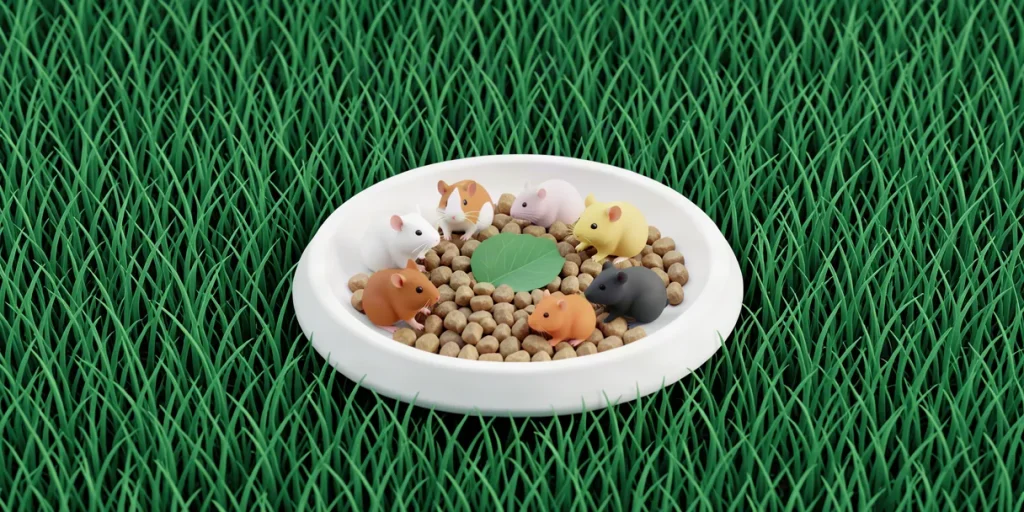
Nutrients play a crucial role in maintaining the health and ensuring the longevity of rodents and rabbits by providing their bodies with necessary energy, vitamins, and minerals. A well-balanced diet, rich in key nutrients, helps strengthen immunity, support vital functions, and prevent diseases.
Rodents and rabbits are popular pets that require special attention to their diet due to the peculiarities of their digestive systems and metabolism. A deficiency or excess of certain substances can lead to serious health problems and shorten their lifespan. In this article, we will explore in detail which nutrients these animals need and how to provide them with a complete diet for a long and active life.
Understanding the vitamin, mineral, protein, and fiber needs of rodents and rabbits helps owners create optimal living conditions and choose quality feeds. This is especially important in domestic settings where natural food sources are limited, and diets must be carefully balanced to maintain pet health.
| Nutrient | Recommended Dose | Role in the Body | Dietary Source |
|---|---|---|---|
| Vitamin C | 20–50 mg per 100 g body weight | Immunity, prevention of scurvy | Fresh vegetables, special supplements |
| Calcium | 0.5–1.0 % of dry matter | Bone and tooth development | Hay, compound feed, mineral supplements |
| Phosphorus | 0.5–0.7 % of dry matter | Metabolism, balance with calcium | Grains, legumes, compound feed |
| Fiber | 15–25 % of dry matter | Digestive health, chewing activity | Hay, grasses, vegetables |
| Vitamin D3 | about 1000 IU per kg of feed | Calcium absorption, growth | Compound feed, sunlight |
- 20 mg/100 g daily Vitamin C requirement for guinea pigs
- 0.5–1.0 % calcium content in rabbits’ diet
- 15–25 % fiber proportion in rodent and rabbit diets
- 600 ₽ for 20 kg price of «Zverek-Extra» compound feed for rabbits
Which Vitamins Are Essential for Rodents and Rabbits for Immunity and Growth?
Key Vitamins
To support immunity and growth in rodents and rabbits, vitamins C, A, and D3 are essential. Guinea pigs require about 20 mg of vitamin C per 100 g of body weight daily since they cannot synthesize it themselves. Vitamin A is important for skin and eye health; its content in rodent feed is regulated by the GOST R 53421-2009 standard and should be 3000–6000 IU per kilogram of dry feed. Vitamin D3 aids calcium absorption, which is especially vital for bone growth and rickets prevention in rabbits; the recommended dose for them is 1000 IU per kilogram of feed.
Risks of Deficiency and Excess
A vitamin C deficiency in guinea pigs leads to scurvy, marked by symptoms such as weakness and bleeding gums. Lack of vitamin A impairs vision and skin condition, while insufficient vitamin D3 causes calcium metabolism disorders and bone diseases. Excess vitamin D3 may cause toxicity with serious health consequences for rabbits. When selecting vitamin supplements, it is advisable to choose verified products, such as vitamin complexes from «Bars» or «Zoovet», with dosages aligned to veterinary standards of 2026.
- Vitamin C: 20 mg per 100 g body weight in guinea pigs
- Vitamin A: 3000–6000 IU/kg dry feed (GOST R 53421-2009)
- Vitamin D3: 1000 IU/kg feed for rabbits
- Risks: scurvy from vitamin C deficiency, toxicity from excess vitamin D3
Which Minerals Support Proper Bone and Tooth Development in Rodents and Rabbits?
Proper bone and tooth formation in rodents and rabbits requires calcium, phosphorus, and magnesium in strictly balanced amounts. Calcium should make up 0.5 to 1.0% of the feed’s dry matter, while phosphorus should be in a ratio with calcium of 1:1 to 1.5, according to recommendations by the Feed Research Institute (VNIIF) in 2022. Magnesium is important for metabolism and should be at least 0.1% of the diet’s dry matter.
Mineral Balances
The optimal calcium-to-phosphorus ratio is key to bone mineralization and preventing mineral deficiencies or excesses. For example, calcium levels above 1.0% of dry feed can cause urinary stones in rabbits. Magnesium, present at no less than 0.1%, supports metabolism, reduces the risk of seizures, and improves calcium and phosphorus absorption.
Disease Prevention
- Calcium — 0.5–1.0% of dry feed; excess can cause urinary stone disease;
- Phosphorus — ratio to calcium 1:1–1.5 for balanced bone growth;
- Magnesium — minimum 0.1% of dry matter, supports metabolism and prevents seizures.
Adhering to these parameters helps maintain strong bones and healthy teeth, while preventing common diseases in rodents and rabbits.
Which Diet Components Ensure Digestive Activity and Health?
Digestive activity and health in rodents and rabbits depend on sufficient fiber content, support of gut microflora with probiotics, and quality grasses and hay of optimal composition. This combination promotes normal peristalsis, prevents stagnation, and improves digestion.
The Role of Fiber
Fiber, comprising 15–25% of the diet’s dry matter, stimulates intestinal peristalsis and prevents stasis. For rodents and rabbits, hay from timothy and alfalfa grasses is recommended, containing 14–18% protein. The price of a ton of such hay ranges between 2500–3500 ₽, making it an affordable source of fiber and protein to support digestive health.
Microflora Supplements
Probiotics containing Lactobacillus acidophilus improve gut microflora and aid nutrient absorption. In Russia, such supplements cost from 300 ₽ for 50 g. Regular probiotic use helps reduce the risk of dysbiosis and maintains balanced flora, which is vital for active digestion in small pets.
- Fiber: 15–25% of diet dry matter
- Protein in timothy and alfalfa hay: 14–18%
- Hay price: 2500–3500 ₽ per ton
- Probiotics with Lactobacillus acidophilus: from 300 ₽ per 50 g
What Feeding Mistakes Lead to Nutrient Deficiencies or Excesses?
Feeding errors in rodents and rabbits, such as vitamin D overdose, unbalanced calcium-to-phosphorus ratios, and monotonous diets without hay, cause nutrient deficiencies or excesses that result in serious metabolic disruptions and health issues.
Dosage Mistakes
Adding vitamin supplements without strict dosage control often leads to vitamin D overdose, causing poisoning and soft tissue calcification in rabbits. Exceeding the recommended vitamin D dose by more than twice can be dangerous. An incorrect calcium-to-phosphorus ratio above 2:1 promotes hypercalcemia and disrupts mineral metabolism. Also, feeding only dry pellets without hay reduces chewing activity, increasing the risk of dental diseases such as abnormal incisor growth, especially with insufficient coarse fiber.
Consequences of Incorrect Feeding
Long-term imbalance of nutrients leads to chronic problems: from vitamin D poisoning to bone and dental diseases. For example, rabbits with excess vitamin D may develop kidney and heart tissue calcinosis. Lack of hay in the diet cuts chewing time by tens of percent, eventually requiring veterinary intervention and increasing treatment costs. To prevent such issues, it is recommended to maintain a calcium/phosphorus ratio around 1.5:1 and regularly include at least 30% hay in the total feed mass.
How to Determine and Adjust Diets for Different Rodent and Rabbit Species?
Species-Specific Features
The diet for rodents and rabbits should be adjusted according to their physiological needs and metabolic characteristics. Guinea pigs require mandatory vitamin C, which they do not synthesize, with a daily dose of 30–50 mg for animals weighing 700–900 g. Rabbits need feeds high in protein — 12–16% — to maintain health and activity. Decorative rodents, such as hamsters and chinchillas, need fat limited to 5% in their diet to prevent obesity and related diseases.
Feed Recommendations
Specialized feeds enriched with vitamin C, along with fresh vegetables rich in this vitamin, are recommended for guinea pigs. Rabbits benefit from high-quality compound feeds like «Zverek-Extra», containing 12–16% protein and priced from 600 ₽ for 20 kg, providing balanced nutrition. Decorative rodents should be fed feeds with fat content no higher than 5% to control weight; such feeds typically have low seed and nut content.
- Guinea pigs: vitamin C 30–50 mg daily for 700–900 g body weight
- Rabbits: protein 12–16%, «Zverek-Extra» compound feed, price from 600 ₽ for 20 kg
- Decorative rodents: fats no higher than 5% for weight control
Frequently Asked Questions
Can guinea pigs be given vitamin C tablets made for humans?
How often should a rabbit’s hay be changed?
What are the signs of calcium deficiency in rodents and rabbits?
Is it possible to feed rabbits only vegetables without compound feed?
Key Takeaways
- Vitamin C is essential for guinea pigs, 20 mg per 100 g body weight
- Optimal calcium-to-phosphorus ratio is 1:1–1.5
- Fiber should make up 15–25% of diet dry matter
- Excess vitamin D is dangerous for rabbits
- Pets need regular hay and quality feed control