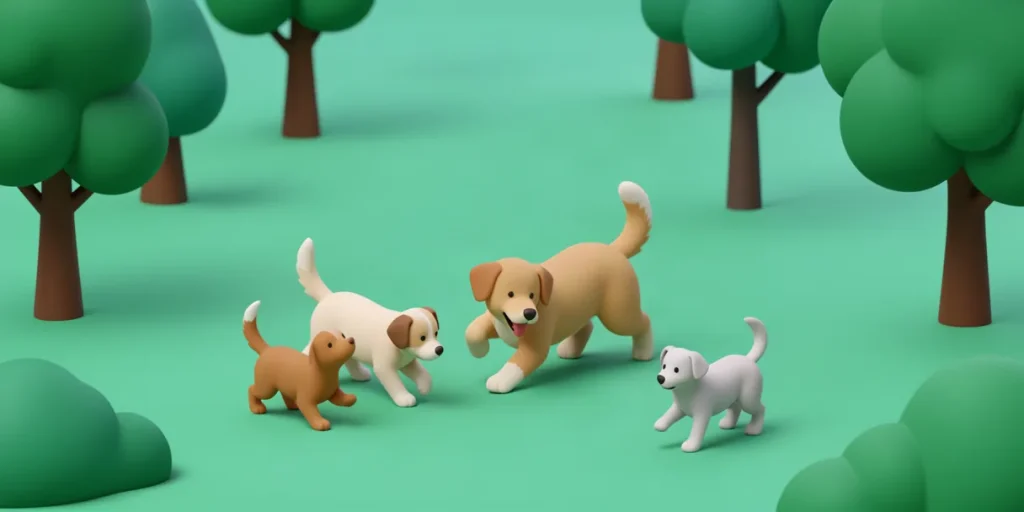
Puppy socialization is one of the most important stages in their upbringing, determining how a dog will behave in the presence of people and other animals. However, many owners make common mistakes that can lead to negative consequences in the future. Understanding the secrets of successful puppy socialization will help you create a harmonious relationship with your pet and avoid behavioral problems.
In this article, we will discuss the key points to pay attention to when socializing your puppy. You will learn how to properly introduce them to the world around them and what methods can help avoid common mistakes. Proper socialization is the key to a happy and healthy life for your four-legged friend.
Understanding the Importance of Socialization
Puppy socialization is a critical stage in their upbringing that shapes their behavior and attitude towards the world around them. Early interactions with various stimuli, such as people, other animals, sounds, and different environments, help develop a puppy’s confidence. This helps prevent the emergence of fears and phobias in the future. For example, a puppy that is accustomed to various situations from an early age is less prone to panic in new conditions, making them more adaptable and balanced.
It is important to remember that socialization should occur gradually and in a comfortable mode for the puppy. Too abrupt or excessive exposure can cause stress and negative associations. Therefore, it is advisable to start with less intense stimuli and gradually increase the complexity of interactions. This can include short walks in crowded places, introductions to friendly dogs, or exposure to different sounds. Such an approach allows the puppy to confidently perceive the world around them and develop a positive attitude towards it.
Additionally, socialization helps develop a puppy’s communication skills, significantly easing their life in the community. Puppies that were not properly socialized may display aggression or fear towards unfamiliar people and animals. To avoid this, it is important to focus not only on the physical aspects of socialization but also on the emotional state of your pet. Support, affection, and positive reinforcement will help the puppy feel safe and open to interacting with the world.
Thus, puppy socialization is an integral part of their upbringing that lays the foundation for their future life. By paying attention to this process, you not only foster the development of a harmonious character in your pet but also ensure a comfortable coexistence with them in harmony and mutual understanding.
When to Start Puppy Socialization
The optimal period for starting puppy socialization is between 3 to 14 weeks of age. During this time, puppies are particularly receptive to new experiences and encounters with the world around them. This is when they form their first impressions of people, other animals, and various situations. The more positive emotions a puppy receives during early socialization, the easier it will be for them to adapt in the future. It is crucial not to miss this moment and actively use it to introduce them to new people and animals.
Socialization includes not only meeting other dogs but also interacting with various objects and sounds that may be encountered in everyday life. For example, the puppy should be introduced to car noises, street sounds, different textures, and even clothing worn by people. These introductions will help the puppy learn not to fear the unknown and to be self-assured. It is important to ensure that the socialization process occurs in a comfortable and non-threatening atmosphere, avoiding overload and stress.
Regular walks in different locations are another important aspect of socialization. Choose diverse routes so that the puppy can see and hear many new things. Walks in parks, on playgrounds, or in busy urban areas will help the puppy adapt to various environments and people. Remember to praise and reward your pet for their courage and curiosity to reinforce positive experiences.
In summary, puppy socialization is a vital and responsible process that requires attention and patience. Start as early as possible, gradually expanding your puppy’s circle of acquaintances, and remember that each positive experience lays the foundation for their confidence and calmness in the future.
Gradual Introduction to the Environment
Gradual introduction to the environment is one of the key aspects of successful puppy socialization. It is important to understand that abrupt changes and stressful situations can negatively affect your pet’s psycho-emotional state. Therefore, it is recommended to introduce the puppy to new conditions smoothly and gradually. Start with more tranquil places, such as quiet parks or areas with few people and other animals. This will help the puppy adapt without experiencing excessive stress.
Once the puppy is accustomed to a calm environment, you can progress to noisier places, such as busy streets or stores that allow pets. It is essential to monitor the puppy’s reaction to new stimuli and adjust the pace of introduction based on their emotional state. If you notice that the puppy is becoming nervous or showing signs of fear, it is best to step back and return to a calmer environment.
Using positive reinforcement is also beneficial. For example, when the puppy successfully encounters new sounds or objects, reward them with treats or praise. This will help form positive associations with the surrounding environment. It is important to remember that every puppy is unique and may react differently to new situations, so be patient and attentive to their needs.
- Avoid abrupt changes: start with quiet places.
- Gradually introduce the puppy to new conditions: parks, streets, stores.
- Observe the puppy’s reaction and adapt the pace of introduction.
- Use positive reinforcement to form positive associations.
Proper puppy socialization requires time and patience, but by following these simple recommendations, you can help your pet become confident and calm in various situations.
Choosing Suitable Partners for Socialization
One of the most critical aspects of puppy socialization is the right choice of partners for their first encounters. Start with balanced and friendly dogs that can serve as good examples for your puppy. Such dogs typically possess stable psyches and can help the puppy adapt to new conditions by teaching them the basics of communication. Choose animals that have already gone through the socialization process and easily get along with other dogs.
Avoid aggressive or overly active dogs, as they may induce fear or stress in the puppy. It is essential to remember that negative experiences can have a lasting impact on your pet’s psyche, complicating the socialization process in the future. It is best if you have the opportunity to observe the behavior of the chosen dogs in advance to ensure their friendliness and balance.
Arranging meetings with other puppies can also be beneficial. Playtime allows puppies to develop social skills and learn to interact with each other. This is an important stage that will help your pet become more confident and open in communication. Remember that play should occur in a calm environment, without excessive excitement and stress. Keep in mind that puppies, just like people, have different temperaments and energy levels, so it is important to consider the individual characteristics of each animal.
Using Positive Reinforcement
Using positive reinforcement is a crucial aspect of the puppy socialization process. This method not only allows you to teach your pet new skills but also helps build their self-confidence and positive attitude towards the world around them. One of the key points in this approach is to reward the puppy for brave behavior and exploratory interest. When the puppy shows curiosity, for example, approaches a new object or explores unfamiliar territory, it is important to reward them immediately. This can be a treat, praise, or even play. Such an approach helps the puppy associate new situations with positive emotions, which further contributes to their confidence and calmness in new conditions.
When using positive reinforcement, it is essential to remember that the incentives should be varied and appealing to the puppy. Treats that they love can serve as excellent motivators. But don’t forget about praise — kind words and affection can be equally effective. As soon as the puppy does what is expected of them, seize the opportunity to praise them, thus creating a connection between desired behavior and pleasant emotions. This is particularly important during the initial stages of socialization when the puppy encounters new situations and people.
Creating associations between new experiences and positive emotions plays a central role in puppy socialization. Gradually introducing them to new circumstances, whether it’s walks in the park or meetings with other animals, it is essential to monitor their reaction and encourage them for their bravery. If the puppy becomes frightened or displays uncertainty, it is best to leave them alone and not insist on interaction. It is important to remember that every puppy is unique and requires an individual approach. Using positive reinforcement helps form a healthy psyche and self-confidence in the puppy, ultimately contributing to their successful socialization and harmonious communication with the surrounding world.
Avoiding Common Mistakes
To ensure successful puppy socialization, it is vital to avoid common mistakes that can negatively impact their development and behavior. One of the main mistakes is overwhelming the puppy with new experiences at once. Puppies, like small children, can quickly become fatigued from too many stimuli. Therefore, try to introduce them to new situations gradually, allowing them to adapt to each new experience. For example, brief walks in different locations, meeting new people and animals should be short to avoid stressing the pet.
Another common mistake is punishing the puppy for showing fear or uncertainty. This can only worsen their state and lead to the formation of negative associations with the world around them. Instead of punishment, it is better to use positive reinforcement to encourage brave behavior and exploration. Give the puppy time to get used to new situations and be ready to support them during anxious moments.
Listen to your pet and respond to their emotional state. Every puppy is unique, and their reactions to the world can vary. Pay attention to their body language: if the puppy shows signs of fear or discomfort, it is better to step back and give them time to adapt. Successful socialization requires sensitivity and understanding, so it is important to be attentive to your pet’s feelings.
Ultimately, puppy socialization is not only a learning process but also an opportunity to build a strong emotional bond with your four-legged friend. A proper approach to socialization at an early age will help your pet grow into a confident and balanced dog, ready to interact with the world around them.
Socialization at Different Ages
Dog socialization is not just a process but an important stage that requires consideration of various age-related characteristics. Different stages of life require different approaches to socialization. In particular, puppies in the critical period of socialization need more support and attention. During this time, they are most receptive to new experiences and interactions. It is essential to start introducing the puppy to the world around them from an early age, gradually exposing them to various social situations — meetings with other dogs, people, and diverse sounds. This will help them build confidence and resilience to stress in the future.
Adult dogs, on the other hand, have their own characteristics in socialization. Their needs and reactions can differ radically from those of puppies. Adult dogs may often exhibit caution or even aggression towards unfamiliar people and animals. Therefore, when socializing such dogs, it is important to use approaches that consider their experiences and behavioral habits. Gradual introduction to new situations and positive reinforcement will play a key role in helping the adult dog adapt and become more open.
It is crucial to remember that socialization is not a one-time process but an ongoing activity. Even after the critical period, which usually lasts until six months, socialization should continue. This will help the dog maintain flexibility and the ability to adapt to new conditions throughout their life. Owners should continue to introduce their pet to new people, places, and situations to strengthen their social skills and self-confidence.
For successful socialization of dogs at any age, owners are advised to follow several basic principles:
- Start socialization as early as possible using positive reinforcement.
- Avoid overwhelming the dog with new experiences — introduce them gradually.
- Pay attention to the individual characteristics and reactions of your pet.
- Continue socialization throughout the dog’s life to maintain their confidence.
Thus, a proper approach to socialization at different age periods will help you avoid common mistakes and make your life with your pet more harmonious.
Health Care for Puppies During Socialization
Caring for a puppy’s health during socialization is an important aspect that should not be overlooked. Before introducing the puppy to other animals, it is essential to ensure that they are fully vaccinated and healthy. Vaccination helps protect them from various infectious diseases that can be dangerous for both them and other dogs. Therefore, it is strongly recommended to complete the vaccination course before starting socialization activities.
During puppy socialization, it is important to avoid places with a high concentration of unfamiliar dogs, especially before the vaccination is complete. Such places may pose a risk to the puppy’s health, as the likelihood of contracting infections significantly increases. The best solution is to choose less crowded places for initial meetings with other animals. This will not only ensure safety but also create a less stressful atmosphere for the puppy, helping them adapt more easily to new conditions.
Before starting socialization, it is worth discussing with a veterinarian safe places and suitable methods for introducing the puppy to other animals. The veterinarian may recommend special socialization groups or organized events where puppies can meet with already socialized dogs. This will not only reduce the risk of diseases but also provide the puppy with the opportunity to learn from more experienced dogs, significantly accelerating the socialization process.
Finally, it is important to remember that socialization is a process that requires time and patience. Use positive reinforcement to create associations in the puppy’s mind with new experiences, and do not forget about regular visits to the veterinarian to monitor your pet’s health. This way, you can ensure not only their health but also a harmonious life in the company of other animals.
Frequently Asked Questions
How long does puppy socialization last?
What should I do if my puppy is afraid of new people?
Can I socialize my puppy on my own?
Key Takeaways
- Puppy socialization is critically important for their future behavior.
- Start socialization as early as possible — ideally before 14 weeks of age.
- Positive reinforcement is key to successful socialization.
- Avoid overwhelming the puppy with new experiences.
- Regularly interact with your pet to maintain their social skills.
Sources
Veterinary Blog, ura.news, legendavolgi.ru, pets.mail.ru, breed, gender, and temperament