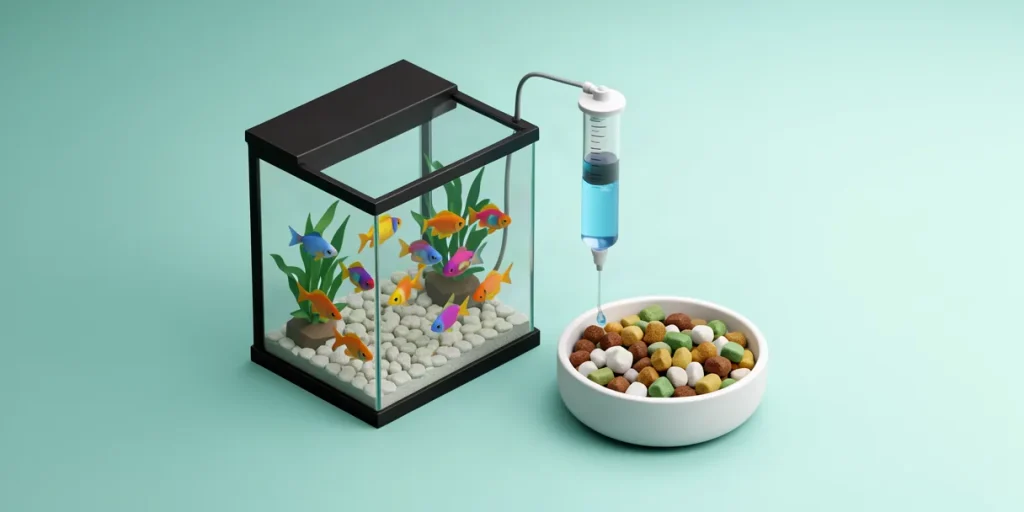
Introduction: Why It’s Important to Choose the Right Food and Monitor Water
The optimal food for aquarium fish is not just a source of nutrition but also the key to their health, activity, and longevity. In 2026, experts increasingly focus on the balance of nutrients in fish foods and their interaction with the quality of the water where the fish live. Choosing the wrong food or ignoring water parameters can cause stress, illness, and weakened immunity in fish.
The main answer to the question “How to choose food?” is to prefer specialized, balanced types of food, taking into account the species of fish and aquarium parameters. Next, we will review the main types of food, how their composition affects health, water characteristics, and tips on combining them.
Types of Food for Aquarium Fish
The modern fish food market features several main types: tablets, pellets, flakes, freeze-dried, and frozen foods. Each type has its own characteristics and intended uses that are important to consider.
Main Types of Food
- Tablet foods — suitable for bottom-dwelling fish like plecos that graze on surfaces. They dissolve slowly and do not pollute the water.
- Pellets and granules — available as floating or sinking, balanced in composition, suitable for most fish species. For example, foods from brands like Tetra and Sera typically cost between 450 and 900 ₽ per 100 g.
- Flakes — a traditional type, though less nutritious and less easily digestible compared to pellets.
- Freeze-dried foods — contain concentrated vitamins and trace elements, ideal for training fish to accept a varied diet.
- Frozen and live foods — the most natural option but require special storage and handling conditions.
| Food Type | Nutrition, % Protein | Average Price per 100 g, ₽ | Recommended For |
|---|---|---|---|
| Tablet | 35-40 | 500-800 | Bottom fish (plecos, catfish) |
| Pellets (granules) | 40-50 | 450-900 | All species, universal |
| Flakes | 30-35 | 300-600 | Surface-dwelling and floating fish |
| Freeze-dried | 50-60 | 700-1000 | Supplement to main diet |
| Frozen | 55-65 | from 600 | Predatory and demanding species |
How Food Composition Affects Fish Health
To maintain fish health in 2026, aquarists focus on the food’s composition, considering the balance of proteins, fats, carbohydrates, vitamins, and trace elements. A deficiency or excess of any component affects immunity and lifespan.
Key Components and Their Roles
- Protein — the main building block of tissues; quality foods should contain 40 to 50% protein.
- Fats — source of energy and fat-soluble vitamins; recommended level is 8-12%.
- Carbohydrates — energy source, but excess leads to water pollution and diseases.
- Vitamins and trace elements — support metabolism and immunity; their presence must be guaranteed by the manufacturer.
For example, freeze-dried foods from Hikari contain up to 60% protein and are enriched with a vitamin complex, promoting rapid growth and strong immunity. Conversely, cheap foods low in protein may cause lethargy and increased illness.
How Water Parameters Affect Feeding Efficiency
Water quality directly impacts nutrient absorption and overall fish condition. In 2026, experts recommend regular monitoring of water parameters and avoiding sudden changes.
Main Parameters and Their Importance
- pH — the normal range for most freshwater fish is 6.5 to 7.5. Sudden shifts cause stress and impair digestion.
- Water hardness — influences metabolism and mineral absorption.
- Temperature — optimal for tropical fish is 24–28 °C; higher or lower temperatures reduce appetite.
- Water cleanliness — excess organic matter and ammonia worsen fish health and reduce food effectiveness.
Gradual adjustment of parameters with special treatments and regular water changes (20-30% weekly) help maintain health and reduce stress.
How to Properly Match Food with Tank Conditions
Choosing food should take into account not only the fish species but also aquarium parameters, presence of bottom dwellers, and filtration features.
Practical Tips for Matching
- For tanks with bottom-grazing fish (plecos, corydoras), use tablet foods that dissolve slowly.
- In densely stocked tanks, prefer pellets with good digestibility to avoid pollution.
- When using live foods, maintain stable water parameters and promptly remove leftovers.
- Combine foods: base diet with pellets or granules, supplemented with freeze-dried or frozen foods for variety.
For accurate dosing, use kitchen scales and measuring cups, such as the Tanita KD-160 scales, to control daily amounts. Overfeeding leads to water quality deterioration and disease.
The Fish Food Market in 2026: Trends and Prospects
In 2026, the aquarium fish food market is marked by growing demand for specialized and eco-friendly products. Manufacturers like Tetra, Hikari, and Sera offer foods with improved formulas and bio-additives.
Innovations in freeze-drying and trace element enrichment increase digestibility and boost fish immunity, which is especially important for rare and sensitive species.
Frequently Asked Questions
How often should aquarium water be changed?
Can all fish be fed with the same food?
How to avoid overfeeding fish?
How to choose food for young fish?
Key Takeaways
- Choose food based on fish species: tablets for bottom dwellers, pellets for universal feeding.
- Monitor food composition: 40-50% protein, vitamins and trace elements are essential.
- Maintain stable water parameters: pH 6.5-7.5, temperature 24-28 °C, regular water changes.
- Use dosing tools like scales and measuring cups to prevent overfeeding.
- Combine different food types for a varied and balanced diet.
Conclusion
Balancing water and nutrients is key to the health and longevity of aquarium fish in 2026. Modern foods offer a wide selection tailored to different species’ needs, but without controlling water parameters and feeding properly, their benefits are limited. A responsible aquarist combines knowledge about food composition with monitoring tank conditions, ensuring comfort and vitality of their pets for many years.
Sources
- AquariumOK — “Choosing Food for Fish. Help”
- aqa.ru — “FEEDING QUESTIONS. (Fish Food and Feeding — AQA.ru)”
- barrier.ru — “Aquarium Water: How to Prepare Water for Fish, How Long to Let It Stand and When to Change”
- fishclean.ru — “What You Need to Know When Choosing Food for Fish”
- birdexoticsvet.com — “Tropical Freshwater Fish Care Guide | Long Island Birds & Exotic Veterinary Clinic”