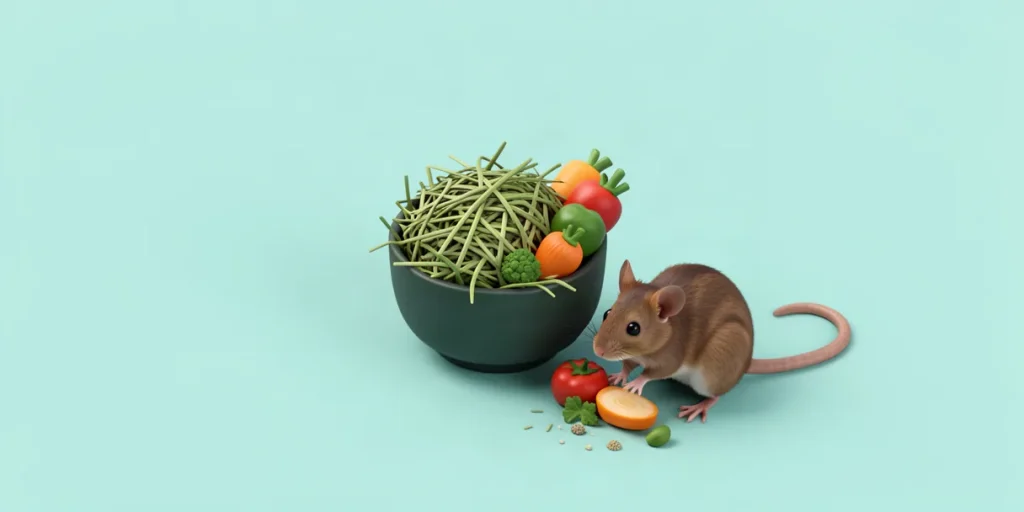
Domestic rodents have a unique ability to efficiently digest fiber thanks to the development of specialized sections of their gastrointestinal tract and gut microflora that break down complex plant fibers. This feature provides their bodies with essential nutrients and maintains digestive system health.
Understanding the specifics of fiber digestion in domestic rodents is important for properly formulating their diets and maintaining pet health. Fiber plays a key role in their nutrition since these animals naturally consume mostly plant-based foods high in fiber.
In this article, we will explore how the digestive system of rodents is structured, why fiber is so important to them, and what considerations are necessary when caring for and feeding these popular pets.
| Source | Fiber Type | Fiber Content % | Average Price ₽/kg |
|---|---|---|---|
| Timothy Hay | Insoluble | 30% | 450 |
| Alfalfa Hay | Insoluble | 25-28% | 500 |
| Vegetables (carrot, broccoli) | Soluble | 2-5% | from 100 (fresh) |
| Supreme Petfoods Pellets | Mixed | 20-25% | 650-850 |
- 20-30% Optimal fiber content in rodent diets
- 12-24 hours Fiber fermentation time in the cecum
- 50-70 g Average daily hay intake for a guinea pig
- 450-850 ₽ Price of quality hay and fiber pellets per kilogram
Why Is Fiber Essential in the Diet of Domestic Rodents?
The Role of Fiber in Nutrition
Fiber is necessary in the diet of domestic rodents to normalize digestion and maintain dental health, as it stimulates intestinal peristalsis and prevents overeating of soft foods. The Small Animal Veterinary Association in 2026 recommends including 20-30% fiber in the diets of guinea pigs and chinchillas, which aligns with standards for proper metabolism and digestive disease prevention.
Specialized products with high fiber content are suitable for comprehensive rodent feeding, such as Oxbow Essentials Timothy Hay, containing around 30% fiber and priced at approximately 450 ₽ per kilogram. According to the Russian Ministry of Agriculture standards of 2024, rabbits should receive at least 18% fiber in their diet to ensure normal digestive function and healthy tooth wear.
Risks of Deficiency
A lack of fiber in rodents’ diets leads to slowed intestinal peristalsis, causing constipation and discomfort, as well as dental problems due to insufficient mechanical wear. These effects were confirmed by studies from the Federal State Budgetary Institution «VNIIZh» in 2025, which noted a connection between fiber deficiency and deteriorating digestive health in domestic rodents.
- Guinea pigs and chinchillas: 20-30% fiber in diet (Small Animal Veterinary Association, 2026)
- Rabbits: minimum 18% fiber per Russian Ministry of Agriculture standards (2024)
- Price of Oxbow Essentials Timothy Hay — about 450 ₽ per 1 kg with 30% fiber
How Exactly Is Fiber Digested in the Rodent Digestive System?
The primary digestion of fiber in domestic rodents occurs in the cecum, where microorganisms break down fibers over approximately 12–24 hours, providing up to 30% of the organism’s energy through short-chain fatty acids produced during fermentation.
Fermentation Mechanism
In the cecum of rodents, including chinchillas, active fermentation of fiber takes place with the help of bacteria that decompose complex polysaccharides. This process lasts about 12–24 hours and results in the formation of short-chain fatty acids (SCFAs) such as acetate, propionate, and butyrate. Absorption of SCFAs provides up to 30% of the animal’s total energy, which is especially important during restricted feeding or when the feed has low nutritional value.
The Role of Microflora and Cecotropes
The beneficial microflora of the cecum constitutes up to 60% of the microbial population in the chinchilla intestine according to a 2026 article in the journal «Veterinary Science.» This microflora is stimulated by fiber and participates in synthesizing B vitamins. Rodents produce cecotropes — soft feces rich in vitamins and probiotics — which they consume again to maximize nutrient absorption and maintain gut health.
- Fermentation duration: 12–24 hours
- Energy share from SCFAs: up to 30%
- Percentage of microflora in chinchilla intestine: up to 60%
Which Types of Fiber Are Best Suited for Domestic Rodents?
Insoluble and Soluble Fiber
For domestic rodents, a combination of insoluble and soluble fiber is optimal because they play different roles in digestion: insoluble fiber provides mechanical stimulation to the intestines, while soluble fiber supports the microflora. The main sources of insoluble fiber are timothy and alfalfa hay with fiber content from 25 to 35%, whereas vegetables like carrots and broccoli provide 2–5% soluble fiber.
Recommended Products
The daily diet of rodents should include:
- Timothy and alfalfa hay — 25–35% fiber, essential for digestive normalization;
- Vegetables such as carrots and broccoli — 2–5% soluble fiber to maintain microflora balance;
- Commercial chinchilla pellets from Supreme Petfoods containing 20–25% fiber, priced at 650–850 ₽ per 1.5 kg package.
At the same time, excessive amounts of fruits should be avoided due to their high sugar content, which can disrupt digestion and cause dysbiosis in rodents.
What Feeding Mistakes with Fiber Can Harm Rodents?
Risks of Overdosage
Excessive fiber content in domestic rodent diets, exceeding 35%, negatively affects protein and fat absorption, as confirmed by a 2025 study from the Veterinary Institute of Saint Petersburg. Such imbalance leads to reduced energy value of the feed and worsens the overall health condition of the animals.
Moreover, excessive consumption of low-quality dusty hay can irritate the respiratory tract and cause allergic reactions, especially in rabbits and guinea pigs. The «Zoovet» veterinary clinic (2026) notes that to prevent such issues, it is recommended to use dust-free hay and carefully check its quality before purchase.
Feeding Errors
Improper feeding of fiber is linked to several key mistakes that can cause digestive and health problems in rodents. A common error is insufficient water intake alongside high fiber consumption, increasing the risk of constipation, particularly in rabbits. This is supported by data from the «Zoovet» veterinary clinic (2026).
Frequent and abrupt changes of fiber sources without gradual adaptation cause intestinal dysbiosis, disrupting microflora and lowering the animal’s immunity. To avoid these consequences, the following recommendations should be followed:
- Do not exceed 35% fiber in the overall diet;
- Ensure constant access to fresh water in a volume of at least 50 ml per 100 g of rodent body weight;
- Use high-quality hay free of dust and mold;
- Gradually change feed over 7–10 days.
How to Measure and Monitor Fiber Amount in Rodent Diets?
Measurement Methods
Fiber content in rodent diets can be measured by quality feed analysis according to GOST R 56618-2015 standard, which determines fiber content with an accuracy of up to 0.5%. For home use, electronic scales with 1-gram precision are effective tools—they help weigh hay and other feeds accurately, allowing control over fiber intake.
Besides laboratory methods, rodent owners can use ready-made feeds and hay labeled with fiber content on the packaging. Attention to labeling and expiration dates is important to maintain data accuracy.
Practical Dosage Recommendations
For guinea pigs, the optimal hay amount is 50–70 grams per day, which provides the necessary fiber level for proper digestion. Veterinary centers recommend keeping a feeding diary, recording exact weights and types of feeds to monitor nutrient balance and timely adjust the diet.
- Hay weight norm for guinea pigs — 50–70 g per day
- Electronic scale accuracy for dosing — 1 g
- Fiber analysis standard GOST R 56618-2015 — accuracy up to 0.5%
- Recommended feeding diary period — at least 14 days for balance assessment
Frequently Asked Questions
Why do rodents specifically need insoluble fiber?
Can hay be replaced entirely by fiber pellets?
What to do if a rabbit has constipation on a fiber diet?
How often should fiber types be changed in rodent diets?
Key Takeaways
- Fiber should make up 20-30% of rodent diets for normal digestion
- Fiber digestion occurs in the cecum and depends on microflora
- Timothy and alfalfa hay are the best sources of insoluble fiber
- Excessive fiber feeding without sufficient water is harmful to health
- Controlling dosage is key to rodent health