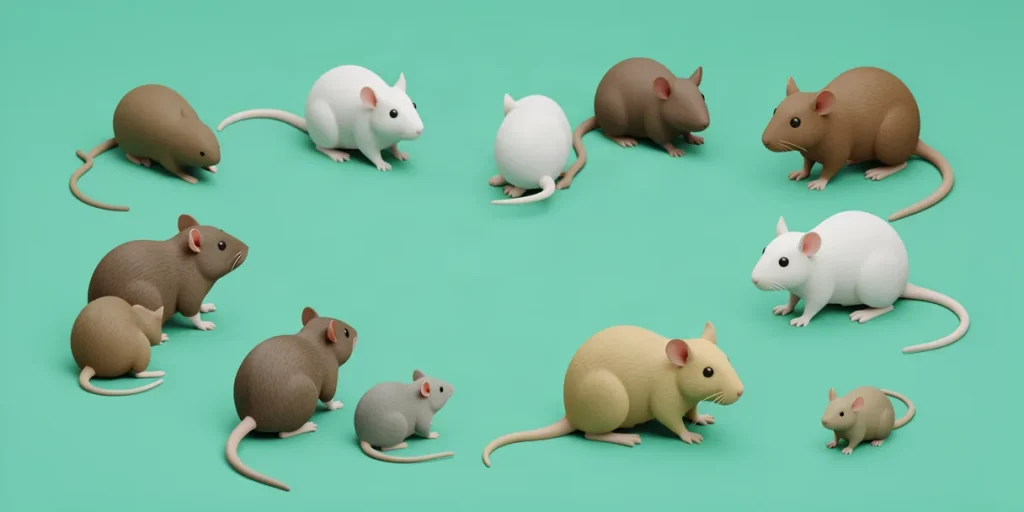
Popular rodent species possess a range of biological and behavioral traits that enable them to adapt to various living conditions and make them intriguing pets. Understanding these characteristics helps provide proper care, nutrition, and training, creating comfortable conditions for the animals’ health and activity.
In this article, we will take an in-depth look at the key biological features and behavioral patterns of the most common rodents such as hamsters, guinea pigs, and degus. Knowing these traits is important not only for new owners but also for those experienced with small pets, as different species require individualized care.
If you are interested in more comprehensive information on rodent care, including health and nutrition, we recommend checking out our full guide «Complete Overview of Rodent Care: Health and Nutrition.» There you will find useful recommendations to help create favorable conditions for your pets.
| Species | Average Weight (g) | Lifespan (years) | Behavioral Traits | Recommended Cage Size (m²) |
|---|---|---|---|---|
| Rat | 250–450 | 2–3 | Diurnal activity, high mobility | 0.3 |
| Syrian Hamster | 120–150 | 1.5–2 | Nocturnal activity, territorial | 0.2 |
| Guinea Pig | 700–1200 | 4–6 | Social, requires vitamin C | 0.5 |
- 2–3 years Lifespan of domestic rats
- 120–150 g Average weight of Syrian hamsters
- 10–30 mg Recommended daily vitamin C dose for guinea pigs
- 0.5 m² Minimum cage size for guinea pigs
What Biological Traits Are Typical for Rats and How Do They Affect Care?
Lifespan and Size
Domestic rats typically live 2–3 years and weigh between 250 and 450 grams, which should be considered when organizing their habitat. The animal’s size determines the required cage area: the minimum cage size should be 0.3 m² with a height of at least 30 cm to allow physical activity and prevent stress.
Diet and Housing
Rats need a balanced diet with protein content of at least 15% to maintain health and normal growth. Feeding usually includes specialized mixes, such as products from Oxbow Animal Health or Versele-Laga, which offer comprehensive feeds tailored to rodents’ needs.
- Minimum cage size — 0.3 m²
- Cage height — at least 30 cm
- Dietary protein — from 15%
- Average rat weight — 250–450 g
- Average lifespan — 2–3 years
What Are the Behavioral Features of Hamsters and How Should They Be Considered in Care?
Activity Pattern
Hamsters are nocturnal, with peak activity from 6 p.m. to 6 a.m., which is important to consider when planning care and lighting in the enclosure. The Syrian hamster, weighing 120–150 grams, needs regular physical exercise; a running wheel with a diameter of at least 20 cm is recommended — it helps reduce stress and prevent obesity.
Habitat
Due to their pronounced territorial nature, hamsters are best kept alone or with males and females separated into different enclosures. Aggressive conflicts may occur with cohabitation, especially among adults. A comfortable living environment requires a cage with a volume of at least 30 liters filled with soft bedding. Basic cage models with running wheels start at approximately 1500 rubles.
- Running wheel diameter: 20 cm
- Average Syrian hamster weight: 120–150 grams
- Activity period: 18:00–6:00
- Recommended cage volume: from 30 liters
- Cost of basic cage with wheel: from 1500 rubles
What Biological and Behavioral Traits of Guinea Pigs Are Important for Their Care?
Guinea pigs require a daily intake of vitamin C around 10–30 mg to prevent scurvy and maintain health. The minimum cage size should be no less than 0.5 m² with good ventilation. Their average lifespan is between 4 and 6 years.
Nutrition and Health
- Vitamin C — 10–30 mg per day, since guinea pigs cannot synthesize it themselves;
- The diet should include fresh vegetables and hay to provide necessary fiber;
- A cage of at least 0.5 m² with good ventilation reduces the risk of respiratory diseases;
- Regular veterinary check-ups are recommended for timely problem detection.
Social Behavior
Guinea pigs are social animals, so it is recommended to keep them in groups of 2–3 individuals to prevent stress and promote natural behavior. Solitary housing can lead to depression and aggression, negatively affecting their health.
How Do Nutritional Needs Differ Among Popular Rodents and Why Is This Important?
Balance of Nutrients
The nutritional requirements of popular rodents vary significantly in protein and fiber content, directly impacting their health. Rats require a diet with 15–20% protein to support their activity and growth. Guinea pigs need up to 18% protein because they cannot synthesize vitamin C, so their diet must be especially balanced. Hamsters, in contrast, need less fiber — about 5–7% — to avoid digestive problems. Failure to meet these requirements often leads to dental and digestive diseases, requiring veterinary intervention.
Cost of Specialized Feeds
To meet the specific needs of rodents, it is important to use specialized feeds. For example, Versele-Laga feed for guinea pigs costs from 350 ₽ per 1 kg. This feed contains an optimal balance of vitamins and minerals tailored to the species’ needs. Similarly, feeds for rats and hamsters have their own formulations and price ranges, aimed at maintaining pet health. Using high-quality specialized nutrition helps prevent diseases and provides a complete diet considering each species’ biological traits.
Common Mistakes in Rodent Care to Avoid
Space and Activity
The main mistakes in rodent care relate to lack of physical activity and insufficient living space, which provoke obesity, stress, and aggression. For example, cages smaller than 0.05 m² for hamsters contribute to joint issues and increased nervousness. Cages at least 60 cm wide and 30 cm high suit most decorative rodents, giving them room for active movement.
Lack of regular exercise and play equipment, such as a running wheel at least 20 cm in diameter for Syrian hamsters, leads to deteriorating health and shorter lifespans. In specialty pet stores, these wheels cost between 400–800 rubles, which is an affordable investment in your pet’s well-being.
Hygiene and Prevention
Poor sanitation in rodent housing contributes to skin diseases and parasitic infections. It is recommended to clean the cage daily and change bedding at least once a week. Using special disinfectant products, for example, sprays based on chlorhexidine, helps prevent fungal and bacterial skin infections.
- Regular cage cleaning: at least once every 7 days;
- Daily removal of damp bedding and droppings;
- Vitamin C supplementation for guinea pigs — minimum 10 mg daily to prevent scurvy;
- Monitoring coat and claw hygiene to prevent fungal infections.
Frequently Asked Questions
How long do domestic rats live?
What is the optimal cage size for a hamster?
Why do guinea pigs need extra vitamin C?
Key Takeaways
- Domestic rats live 2–3 years and need a cage of at least 0.3 m²
- Hamsters are nocturnal and require a 20 cm diameter running wheel
- Guinea pigs need 10–30 mg of vitamin C daily
- Specialized feeds start at 350 ₽ per kilogram
- Poor care leads to stress and health problems