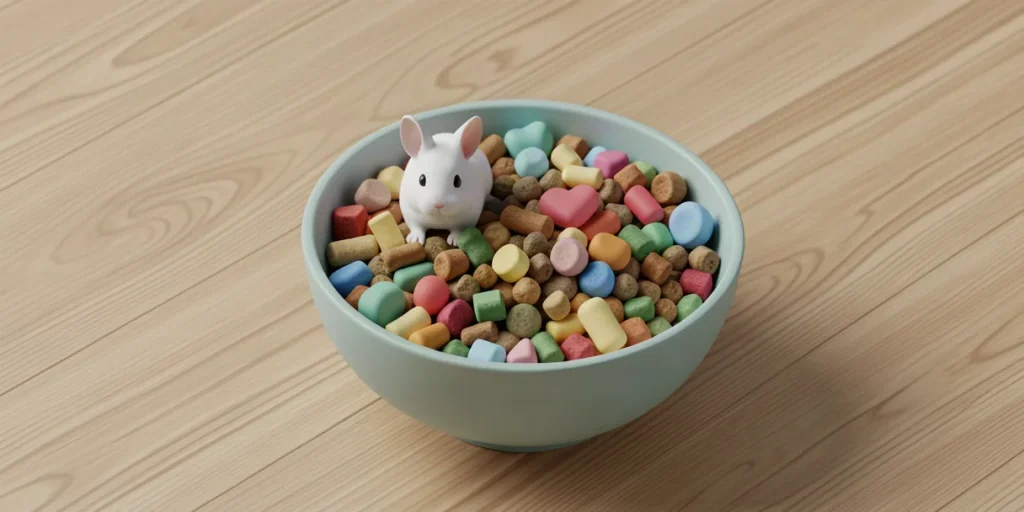
The diet of rodents and rabbits should be balanced, including fresh vegetables, quality feed, and sufficient roughage to support digestive health and keep your pet active. Proper nutrition helps prevent dental problems and obesity, keeping the animal energetic and lively.
Understanding the feeding needs of rodents and rabbits is key to a long and happy life for your pet. These animals have specific requirements due to the structure of their digestive tract and continuous tooth growth. Ignoring feeding recommendations often leads to illnesses and decreased activity, so it’s important to know which foods and feeding schedules suit your particular pet.
In this article, we will thoroughly explore how to promote health and activity in rodents and rabbits through the right diet, which foods to include, and which to avoid. This will help owners create optimal conditions for their little friends and enjoy their vitality and well-being every day.
| Feed Name | Protein (%) | Fiber (%) | Price per kg (₽) |
|---|---|---|---|
| Versele-Laga Cuni Complete | 16 | 20 | 350 |
| Oxbow Essentials | 18 | 22 | 467 |
| Supreme Science Selective | 15 | 18 | 400 |
- 18% minimum fiber content in rabbit diets
- 16-18% optimal protein content in feed for rodents and rabbits
- 10-30 mg daily vitamin C requirement for guinea pigs
- 350-700 ₽ price per kilogram of specialized feed
- 50 g minimum daily amount of hay for rabbits
What Are the Main Components That Should Be Included in the Diet of Rodents and Rabbits?
The diet of rodents and rabbits should include a balanced mix of fiber, proteins, vitamins, minerals, and fats to maintain health and activity. Fiber is essential for proper digestive function, protein supports growth and tissue repair, and vitamins and minerals strengthen the immune system and metabolism.
Fiber — The Foundation of Digestion
Fiber should make up at least 18% of the total diet, helping normalize intestinal motility and preventing gastrointestinal disorders, according to the German Veterinary Service recommendations (2026). Sources of fiber include timothy and alfalfa hay, as well as fresh vegetables like carrots or cabbage. Dietary fats should not exceed 5%, provided by sunflower seeds and corn, which are important for energy and maintaining activity (Russian Veterinary Association, 2026).
Protein and Micronutrients
The optimal protein level for most rodents and rabbits is between 14% and 18%, supporting muscle growth and maintenance (National Institute of Animal Health, 2025). Guinea pigs require a daily intake of 10–30 mg of vitamin C to prevent scurvy, according to standards from the American Association of Feed Control Officials (AAFCO, 2026). Vitamins and minerals also come from specialized feeds such as Oxbow pellets, priced between 350 and 700 rubles per kilogram in 2026.
- Fiber — at least 18% of the diet (German Veterinary Service, 2026)
- Protein — 14–18% for growth and activity (National Institute of Animal Health, 2025)
- Vitamin C for guinea pigs — 10–30 mg daily (AAFCO, 2026)
- Fats — up to 5% of the diet from sunflower seeds and corn (Russian Veterinary Association, 2026)
How to Choose Commercial Feed for Rodents and Rabbits and What Does It Cost?
Examples of Popular Feeds
It’s important to select commercial feeds for rodents and rabbits with high fiber content and necessary vitamins, without artificial additives. For instance, «Versele-Laga Cuni Complete» for rabbits contains 16% protein and 20% fiber, promoting digestion and supporting pet activity. The price starts at 350 ₽ per 1 kg. For guinea pigs, a popular choice is «Oxbow Essentials,» enriched with 200 mg/kg vitamin C, costing about 700 ₽ for a 1.5 kg package.
Calculating Norms and Budget
The average daily feed amount for a 3 kg rabbit is about 120–150 g, and for a guinea pig — 30–40 g. Based on this, monthly feed costs can range from 1000 to 2000 ₽ depending on the product and pet’s needs. When choosing feed, it’s recommended to consider the composition, which should include hay and dried vegetables, and exclude artificial colorants according to GOST R 54450-2011 for pet feeds.
- «Versele-Laga Cuni Complete»: 16% protein, 20% fiber, from 350 ₽/kg;
- «Oxbow Essentials»: vitamin C 200 mg/kg, about 700 ₽ for 1.5 kg;
- Daily norm for 3 kg rabbit: 120–150 g, for guinea pig: 30–40 g;
- Feed composition per GOST R 54450-2011: contains hay, dried vegetables, no colorants;
- Monthly feed budget: 1000–2000 ₽.
Why Are Fresh Vegetables Needed and How to Introduce Them Properly?
The Role of Vegetables in the Diet
Fresh vegetables are necessary for rodents and rabbits to maintain vitamin balance and provide hydration, making up to 20% of the daily diet according to the European Veterinary Association’s 2026 guidelines. Vegetables like carrots, cucumbers, and leafy lettuce contain natural vitamins and micronutrients that strengthen immunity and normalize digestion.
For example, carrots are recommended in amounts of 1-2 slices per day, cucumber up to 30 grams, and leafy lettuce up to 10 grams. The average price of vegetables at the Moscow market starts at 50 rubles per kilogram, making them an affordable and beneficial addition to your pet’s diet.
Guidelines for Introduction and Restrictions
Introduce fresh vegetables gradually, starting with 5 grams per day and increasing portions every 3-4 days for each new type, to avoid stomach upset. This approach allows the gut to adapt and reduces the risk of adverse reactions.
- Initial vegetable dose — 5 g per day;
- Interval between introducing new vegetables — 3-4 days;
- Prohibited vegetables — raw potatoes, onions, and cabbage due to risk of bloating and digestive issues.
What Common Feeding Mistakes Lead to Health Problems in Rodents and Rabbits?
Common Mistakes
The main errors in feeding rodents and rabbits involve excessive consumption of grain mixes high in carbohydrates and insufficient fiber. For example, feeding mixtures with more than 60% carbohydrates promotes obesity and digestive disorders, as noted in the Veterinary Medicine Journal article (2025). Diets with fiber below 12% increase the risk of stomach and intestinal diseases, confirmed by the European Veterinary Association (2026).
Another frequent mistake is the lack of fresh water or using dirty drinking containers, which raises the risk of infections — reported by the «Health» Veterinary Clinic (Moscow, 2026). Additionally, using sugary treats with artificial colorants leads to dental problems and obesity, according to research from the Moscow Zoological Institute (2026).
Consequences of Improper Nutrition
An improper diet in rodents and rabbits causes obesity, digestive disorders, as well as gastrointestinal and dental diseases. Obesity reduces mobility and may shorten lifespan. A lack of fiber decreases intestinal motility, causing constipation and inflammation.
- Carbohydrates should not exceed 60% of total feed mass (Veterinary Medicine Journal, 2025).
- Minimum fiber content — 12% to maintain digestive health (European Veterinary Association, 2026).
- Fresh water is mandatory, and bowls must be cleaned regularly to prevent infections («Health» Veterinary Clinic, 2026).
- Avoid sugary treats with colorants to reduce risks of dental issues and obesity (Moscow Zoological Institute, 2026).
How to Ensure Proper Digestion and Activity Through Nutrition?
Hay and Probiotics
Proper digestion in rodents and rabbits is supported by providing at least 50 g of hay daily for rabbits, which promotes healthy intestinal function, according to the recommendations of «SuperHay» company (2026). Besides hay, including probiotics such as «VetBiotic» for rodents improves gut microflora, enhancing nutrient absorption and strengthening the pet’s immunity.
Water and Feed Balance
A stable energy level and constipation prevention are achieved by balancing dry feed with fresh products, supported by data from the «VetFarm» clinic (2026). Equally important is the constant availability of clean drinking water — at least 100 ml per day for a 3 kg rabbit, established by the World Organisation for Animal Health (OIE, 2026).
- Hay — minimum 50 g daily for rabbits («SuperHay», 2026)
- Probiotic «VetBiotic» — improves intestinal microflora
- Water — at least 100 ml daily for 3 kg rabbits (OIE, 2026)
- Balance between dry feed and fresh foods — prevents constipation («VetFarm» clinic, 2026)
Frequently Asked Questions
How much fiber does a rabbit need daily?
Can guinea pigs be fed only prepared feed?
How to prevent obesity in a pet rabbit?
Can rabbits be given sweets or human treats?
Key Takeaways
- Fiber should make up at least 18% of the diet for healthy digestion
- Specialized feeds like Versele-Laga and Oxbow provide balanced nutrition
- Fresh vegetables should be introduced gradually with quantity and variety limits
- Main mistakes include excess grains and insufficient water, leading to obesity and illness
- Regular hay and probiotics help maintain gut health and pet activity