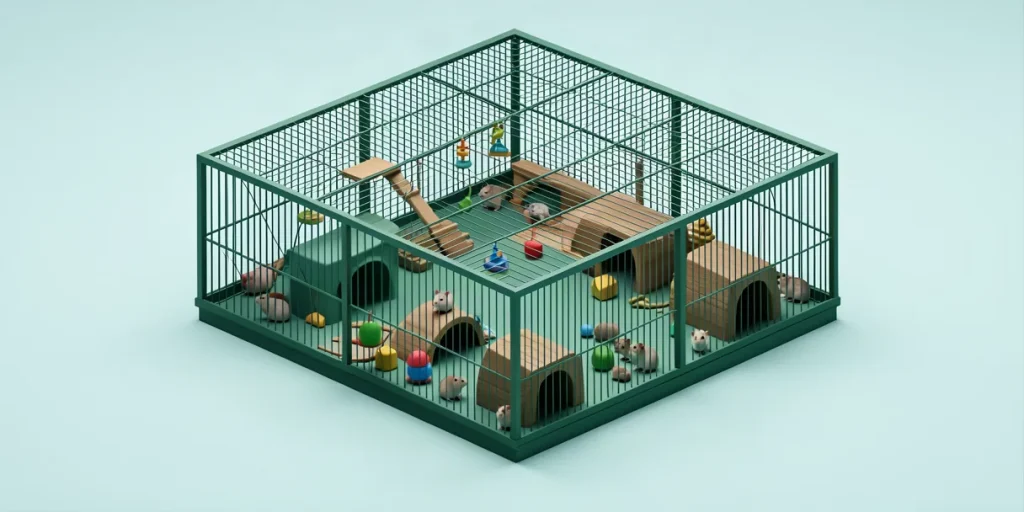
Exotic rodents are becoming increasingly popular pets, bringing a unique atmosphere and exotic charm into our homes. However, keeping such animals requires a special approach and careful preparation. To ensure that your new furry friend feels comfortable and safe, it is essential to create ideal conditions for their care.
In this article, we will discuss the key aspects to consider when setting up a habitat for exotic rodents. You will learn about suitable cage sizes, necessary accessories, temperature and humidity conditions, as well as proper nutrition. Prepare your home to welcome a new family member and provide them with all the essential conditions for a happy life!
Cage Selection for Exotic Rodents
When selecting a cage for exotic rodents, it is important to consider several key factors that will ensure the comfort and health of your pet. First and foremost, the cage should be spacious. Rodents such as guinea pigs, chinchillas, or degus need enough space to move freely and engage in active play. The minimum cage dimensions should correspond to the size of your pet, but it is better to choose larger options to ensure comfortable conditions for them.
The cage should be equipped with various elements for active recreation. Shelves, houses, and tunnels not only add variety to your rodent’s life but also promote their physical activity and mental development. Exercise wheels can also be a great addition, allowing pets to expend their energy. Remember that rodents need hiding places to feel safe, so shelters and houses are extremely important.
The material of the cage also plays a significant role in its selection. Models made from pet-safe materials that are easy to clean are optimal. Avoid cages with sharp edges and toxic coatings. Options with plastic or metal elements are best, as they are easier to care for and more durable. Regular cleaning of the cage is necessary to maintain hygiene, so choose designs that are easy to disassemble for cleaning.
When setting up the cage, pay attention to its placement. It is best to place the cage in a quiet and cozy corner of the apartment, avoiding bright sunlight and drafts. The room temperature should remain between 18-25°C, and humidity should be at a moderate level. This will help create comfortable conditions for your exotic rodent and extend their life.
Optimal Temperature and Humidity Conditions
Creating optimal conditions for exotic rodents is an important aspect of their care and health. The room temperature should be maintained in the range of 18-25°C. These are the ideal conditions under which rodents feel comfortable and actively engage in their activities. At excessively low or high temperatures, they may experience stress, which negatively impacts their health. Therefore, it is important to monitor temperature fluctuations and adjust them as necessary, especially during cold winter months or hot summer days.
In addition to temperature, the humidity level in the room also plays an important role. For exotic rodents, it is recommended to maintain moderate humidity, which helps avoid respiratory and skin issues. Excessively high humidity can lead to fungal infections, while low humidity can cause dehydration. Therefore, it is helpful to use a hygrometer to monitor humidity levels and, if necessary, use humidifiers or heaters to create suitable conditions.
It is also important to avoid sudden temperature changes and drafts. Rodents are very sensitive to changes in their environment, and abrupt shifts can cause them stress or even illness. Try to place the cage in a quiet and cozy corner of your home, away from direct sunlight and drafts. Regular cage cleaning and monitoring the state of the surrounding environment will help create the most comfortable conditions for your pet, which, in turn, contributes to their longevity and well-being.
Ultimately, maintaining the right temperature and humidity, combined with care for cleanliness and comfort, is the key to your exotic rodent’s health and happiness.
Cage and Rodent Care
Caring for the cage and rodents
Creating comfortable conditions for exotic rodents involves not only choosing the right cage but also regular maintenance. It is important to remember that rodents, like any other pets, need cleanliness and freshness. Therefore, it is recommended to clean the cage at least once a week. This includes removing leftover food, bedding, and other contaminants. Accessories and toys that your pet interacts with should also be treated to prevent the buildup of bacteria and dirt.
Daily care also plays a crucial role in maintaining your rodent’s health. For example, it is necessary to change the water in the drinking bottle daily. Clean and fresh water is the foundation of your pet’s health. Ensure that the food is fresh and of high quality. Avoid food with high sugar content, as this can adversely affect your rodent’s health.
The cage should be located in a calm area, protected from direct sunlight and drafts. This will help maintain a stable temperature between 18-25°C and moderate humidity. Provide your pet with hiding places where they can retreat and rest, as well as toys for physical activity and mental stimulation.
In conclusion, regular cage maintenance and attentive care for your rodent’s needs contribute to their health and longevity. By following simple rules, you can create ideal conditions for your exotic pet’s life.
Creating a Comfortable Living Environment
Creating a comfortable environment for exotic rodents is key to their healthy and long life. Proper placement of the cage is one of the most important aspects. It is recommended to place the cage in a quiet and calm corner of the apartment, away from noisy areas and drafts. This will help your pet feel safe and reduce stress levels. Additionally, the cage should not be in direct sunlight, as this can lead to overheating and deteriorating health for the rodent. The optimal temperature for keeping most exotic rodents is 18-25°C, and humidity should be moderate.
It is important that the cage is spacious and well-ventilated. Rodents are active and need sufficient space to move around. Inside the cage, you can place shelves, houses, and tunnels that allow your pet to explore the space and maintain physical activity. Exercise wheels are also an excellent way for the rodent to expend energy. Don’t forget to add hiding spots where the rodent can conceal itself and feel safe. This is especially important for species prone to stress.
Regular maintenance of the cage also plays a vital role in maintaining your pet’s health. The cage should be cleaned at least once a week, and the water in the drinking bottle should be changed daily. Such simple measures will help prevent the development of diseases and create comfortable conditions for your exotic rodent’s life.
Additionally, pay attention to toys that can help your pet entertain itself and maintain mental activity. Various toys not only reduce stress levels but also promote improved physical condition. Ensure that all items your rodent interacts with are safe and free from toxic materials.
By creating ideal conditions for your exotic rodent, you will provide them with not only comfort but also harmony in life, which, in turn, will positively affect their health and well-being.
Nutrition for Exotic Rodents
Nutrition for exotic rodents is an important aspect of their health and well-being. When composing their diet, it is necessary to consider the characteristics of each species, as well as avoid high-sugar products. Sugar can lead to obesity and other serious health issues, so it is better to prefer natural and nutritious components. High-quality pellets that contain all the necessary vitamins and minerals to support your pet’s health are recommended as the main food. These pellets provide balanced nutrition and contribute to normal metabolism.
Fresh vegetables should also make up a significant part of the diet. They not only enrich the nutrition of exotic rodents with vitamins but also help maintain their teeth in good condition, as many rodents need to constantly grind their teeth. Vegetables such as carrots, broccoli, and spinach can be excellent additions; however, it is important to remember that their quantity should be limited to avoid digestive issues.
Don’t forget about mineral supplements and vitamins that can be beneficial for your pet’s health. They help fill possible gaps in the diet and prevent nutrient deficiencies. For example, calcium and phosphorus are essential for bone and tooth health. Special mineral blocks and supplements can be found in pet stores; however, it is advisable to consult with a veterinarian before use.
In conclusion, it is important to remember that proper nutrition is not only the foundation of health but also the key to a long life for exotic rodents. By caring for your pet’s diet, you contribute to their active life and good mood. Also, don’t forget to change the water regularly and ensure the freshness of the food — this will help avoid many health problems.
Social Needs of Exotic Rodents
Exotic rodents, such as guinea pigs, hamsters, and degus, have unique social needs that must be considered when keeping them. Some species of these animals are social creatures and need the company of their kind for a fulfilling life. For example, guinea pigs greatly value companionship and may experience stress if left alone for long periods. Therefore, when choosing a pet, it is worth considering the possibility of getting several individuals so they can interact with each other.
To create a comfortable environment, it is important to provide rodents with opportunities for interaction. If you decide to get more than one rodent, make sure they have enough space for cohabitation. A spacious cage with shelters, shelves, and toys will allow your pets not only to find refuge but also to play with each other. Additionally, having various objects to explore helps reduce boredom and increases their activity levels.
Observing the behavior of exotic rodents is an essential part of their care. It is important to pay attention to signs of stress, such as aggression, excessive activity, or, conversely, apathy. If you notice that your pet is behaving unusually, it may be a signal that they lack interaction or are experiencing discomfort in their environment. In such cases, consider modifying their living conditions, such as adding new toys or shelters.
In summary, several key aspects can help provide exotic rodents with a comfortable and safe environment:
- Keep social species in the company of their kind.
- Provide a spacious cage with hiding spots and a play area.
- Monitor behavior and signs of stress.
- Regularly update the environment by adding new play items.
By attending to the social needs of your exotic rodents, you contribute not only to their physical but also to their emotional well-being, which, in turn, will positively impact their health and longevity.
Diseases and Prevention
Diseases and prevention in exotic rodents are important aspects of their care that require special attention. Regular health checks of your pet will help identify potential diseases at early stages. Rodents can suffer from various infections, parasites, or diseases related to improper care. Therefore, it is essential to observe your pet’s behavior and pay attention to any changes in their activity, appetite, or appearance.
Adhering to hygiene standards and vaccinations is another key point. It is important to regularly clean the cage and change the bedding to avoid the accumulation of bacteria and parasites. A thorough cleaning should be carried out at least once a week, and the water in the drinking bottle should be changed daily. If your rodent is prone to diseases associated with infections, be sure to consult your veterinarian about the need for vaccinations.
The quality of food also impacts the health of exotic rodents. Ensure that your pet’s diet is balanced and includes all necessary vitamins and minerals. Avoid high-sugar products and ensure that the food is fresh. Proper and regular feeding will help strengthen your rodent’s immune system and prevent many diseases.
It is also worth remembering that each species of exotic rodent has its own characteristics and care requirements. Therefore, before getting a new pet, familiarize yourself with their needs and living conditions. Consulting a veterinarian will help you gain complete information about your rodent’s health specifics and necessary preventive measures.
Ensure that your attention and care for your rodent’s health will help create comfortable living conditions for their life and make them a happy pet for many years.
Common Mistakes in Rodent Care
When keeping exotic rodents, it is essential to understand that an improper approach can lead to serious consequences for the health and well-being of the pet. One of the common mistakes is insufficient attention to the conditions of care. Rodents need to be provided with a spacious cage with good ventilation, where they can move freely and explore their environment. The cage should be equipped with hiding spots, shelves, and toys to prevent boredom for the pet. It is also important to monitor the temperature: the optimal temperature for most exotic rodents is 18-25°C. Incorrect conditions can cause stress and various diseases.
Another serious mistake is ignoring signs of stress and illness in the pet. Rodents, like other animals, can hide their ailments, so it is crucial to observe their behavior closely. If the rodent becomes less active, loses its appetite, or changes its habits, this may signal health problems. Regular check-ups and consultations with a veterinarian will help timely identify and address potential issues.
Improper nutrition and lack of dietary variety can also negatively affect the health of exotic rodents. Many owners do not realize that rodents need not only special feeds but also fresh vegetables, fruits, as well as hay and minerals. A monotonous diet can lead to deficiencies in essential nutrients, which, in turn, will affect the general condition of the pet. Therefore, it is important to provide a varied and balanced diet.
Thus, to avoid common mistakes in the care of exotic rodents, it is necessary to pay attention to both their living conditions and their health and nutrition. This will ensure your pets a comfortable and long life.
Frequently Asked Questions
What size cage should I choose for an exotic rodent?
How often should I clean the cage?
Can I keep several rodents together?
Key Takeaways
- Creating a comfortable environment is the key to the health of exotic rodents.
- Regular care and attention to detailed living conditions are essential for a long life for your pet.
- Proper nutrition and social interactions are important for the well-being of rodents.
Sources
dom.mail.ru, petshop.ru, glavnoehvost.by, absolutins.ru, vetapteka18.ru
