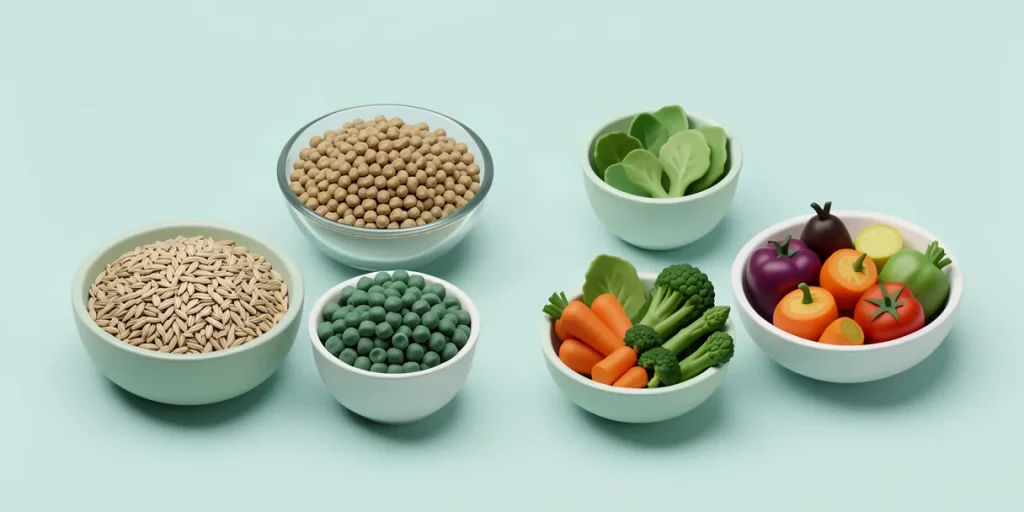
For exotic birds, the choice of feed directly affects their health and activity. The best feeds in 2026 combine nutrition with safety, offering a balanced diet. Among popular options are grain mixes, specialized pellets, and fresh produce, each with its own advantages and drawbacks.
What types of feed exist for exotic birds and what are their features?
The main types of feed for exotic birds include grain mixes, pelleted feeds, fresh vegetables and fruits, as well as specialized dietary supplements. Grain mixes are the most affordable option, priced from 150 ₽ per kilogram, and include millet, oats, corn, and sunflower seeds. They provide energy and fiber but may be low in vitamins.
Pelleted feeds, such as products from the company «VitalPet» costing around 400 ₽ per 500 g, contain a balanced complex of vitamins and minerals, reducing the risk of deficiencies. However, pellets lose their beneficial properties if stored improperly.
Fresh vegetables and fruits, like carrots, apples, and papaya, supply birds with vitamins A and C, supporting the immune system. But these products spoil quickly and pose a risk of bacterial contamination.
Main feed categories
- Grain mixes — affordability and energy
- Pelleted feeds — balanced nutrition
- Fresh vegetables and fruits — vitamins and minerals
- Dietary supplements — to correct deficiencies
| Feed type | Price (₽ per kg) | Vitamin content (%) | Shelf life (days) |
|---|---|---|---|
| Grain mixes | 150–250 | Low (10–15%) | 90 |
| Pelleted feeds «VitalPet» | 800 (for 2 kg) | Medium (40–50%) | 180 |
| Fresh vegetables and fruits | 100–300 | High (60–80%) | 3–7 |
- 150 ₽ minimum price per kilogram of grain mix
- 180 days shelf life of pelleted feeds under proper conditions
- 60-80% vitamin content in fresh vegetables and fruits
Why is it important to consider the nutritional value of feed when choosing?
The nutritional value of feed determines the health and activity of exotic birds. A deficiency in vitamins, especially A, D, and E, leads to problems with plumage and immunity, while excess fats cause obesity. Pelleted feeds, such as the «VitalPet Exotic» line (2026), contain balanced doses of micronutrients, reducing disease risks and ensuring optimal growth.
Unlike grain mixes, which often have a high carbohydrate percentage and low micronutrient levels, pellets help avoid deficiencies and excesses of individual components. When fresh vegetables are added, birds receive extra vitamins, but it’s important to control portions to prevent digestive issues.
Key nutrients and their roles
- Vitamin A — supports vision and skin health
- Calcium — important for bone health and eggshell quality
- Fats — energy reserves, but in moderation
- Proteins — growth and tissue repair
What are the main risks when using popular feeds?
The primary risks relate to unbalanced nutrition and feed quality. Grain mixes can contain mold and toxins if stored improperly, leading to poisoning. Pelleted feeds lose vitamins and can become potentially harmful if expired or kept in humid conditions.
Fresh vegetables and fruits carry the risk of bacterial contamination, especially if not washed thoroughly. Additionally, some items like avocado are toxic to birds and cause severe poisoning. It’s recommended to use only verified and certified feeds, such as products from «VitalPet» or «Exopet» with confirmed quality and expiration dates.
Risks and precautions
- Mold and mycotoxins in grain mixes
- Vitamin loss in pellets from improper storage
- Bacterial contamination in fresh produce
- Toxic foods (e.g., avocado) in the diet
How to properly combine different types of feed for exotic birds?
An optimal feed combination includes a base diet of pellets, supplemented with fresh vegetables and a moderate amount of grain mixes. The ration should be about 60% pelleted feed, 25% fresh vegetables, and 15% grains. This ratio provides a balance of energy, vitamins, and fiber.
For large parrots like macaws, it’s recommended to use specialized pellets with increased calcium and vitamin D3 content. For smaller species, such as lovebirds, it’s important to additionally introduce small seeds and fresh berries. Fresh produce should be changed daily and portion sizes strictly observed.
Mixing recommendations
- 60% «VitalPet Exotic» pelleted feed
- 25% fresh vegetables and fruits (carrots, apples, papaya)
- 15% grain mixes with controlled seed content
- Daily replacement of fresh products and quality control
How much and how often should exotic birds be fed different types of feed?
Feeding frequency depends on the bird species and feed type. On average, exotic birds are fed 2-3 times a day. Pelleted feeds are given daily in amounts of about 15–20 g per medium-sized bird, such as an African grey. Grain mixes are better used as treats or supplements at doses not exceeding 5 g per day.
Fresh vegetables and fruits are introduced daily, 10–15 g depending on the bird’s weight, to meet vitamin requirements. Leftovers of fresh products should be removed after 12 hours to prevent spoilage and bacterial growth.
Typical portions and feeding schedule
- Pellets — 15–20 g per day
- Grain mixes — up to 5 g per day
- Fresh vegetables and fruits — 10–15 g per day
- Feed 2–3 times daily with leftover monitoring
Frequently Asked Questions
Can exotic birds be fed only grain mixes?
How can you tell if pelleted feed is fresh?
Which vegetables are best for exotic birds?
Is it safe to feed birds avocado?
Key Takeaways
- Pelleted feeds provide balanced nutrition and convenient storage.
- Grain mixes are an affordable energy source but low in vitamins.
- Fresh vegetables and fruits are vital for vitamins but require daily replacement.
- Proper feed mixing minimizes risks of deficiencies and overeating.
- Quality control and observing expiration dates are critical for bird health.
Choosing feed for exotic birds in 2026 should consider nutrient balance, freshness, and product safety. Combining pellets, grains, and fresh vegetables with proper feeding norms helps maintain pets’ health and activity while minimizing disease and digestive disorder risks.