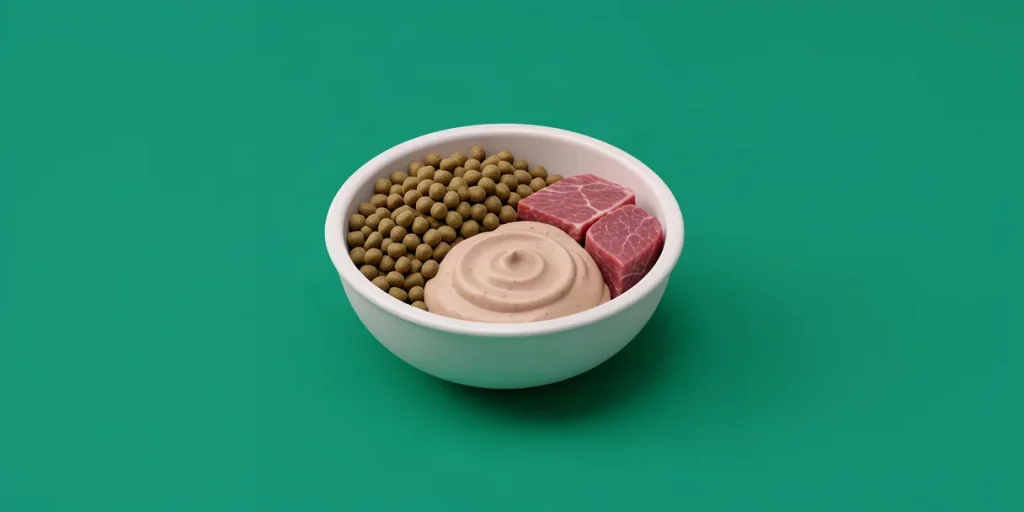
Dry, wet, and raw diets affect cats’ digestion differently: dry food helps mechanically clean teeth and requires more water, wet food improves hydration and is easier to digest, while raw diets closely mimic a natural diet, positively influencing gastrointestinal function when properly balanced.
Understanding how different types of food impact cats’ digestive systems is crucial for choosing optimal nutrition that supports your pet’s health. This article explores how dry, wet, and raw diets affect digestion, nutrient absorption, and the overall condition of the stomach and intestines in domestic cats.
Choosing a diet is one of the key responsibilities for owners, as the type of food affects not only digestive comfort but also the prevention of many diseases. Let’s examine the benefits and potential risks of each feeding type to help ensure your cat enjoys a long, active life.
| Type of Food | Moisture, % | Carbohydrates, % | Average Price per kg, ₽ | Main Effects on Digestion |
|---|---|---|---|---|
| Dry | 6–10 | up to 40 | 600–750 | Kidney stress, risk of constipation, stimulates chewing |
| Wet | 70–78 | less than 15 | 800–1000 | Improves hydration, reduces kidney load |
| Raw | around 70 | no more than 5 | 250–400 (meat) | Natural nutrition, risk of bacterial infections |
- 78% moisture content in Sheba wet food
- 40% maximum carbohydrate content in dry foods
- 15% risk of bacterial contamination with improper raw meat storage
- 25% incidence of hairball formation in cats on dry food
- 70% recommended moisture level for kitten diets
How Does Dry Food Affect Cats’ Digestion?
Dry food influences cats’ digestion mainly due to its low moisture and high carbohydrate content, which can cause digestive difficulties in some animals. The average size of Royal Canin dry kibble is about 8 mm, encouraging active chewing and stimulating the digestive system.
Advantages of Dry Food
Royal Canin’s dry kibble, approximately 8 mm long, increases cats’ chewing activity, which helps mechanically clean teeth and stimulates saliva production, improving digestion. In 2026, a 2 kg bag costs between 1200 and 1500 rubles, making this feeding option affordable and convenient for most owners.
Potential Issues
Dry foods contain 6–10% moisture and up to 40% carbohydrates, which may cause digestion problems in some cats, including delayed stomach emptying. According to a 2025 study by the European Association of Veterinarians, 25% of cats fed exclusively dry food experience increased hairball formation in the stomach, linked to digestive traits associated with this diet.
- Average Royal Canin kibble size — 8 mm
- Dry food moisture — 6–10%
- Carbohydrate content up to 40%
- 2 kg bag price — 1200–1500 ₽ (2026)
- 25% of cats have hairball issues (EAV, 2025)
What Are the Digestive Features of Wet Cat Food?
How Wet Food Affects the GI Tract
Wet cat food, such as Sheba or Gourmet, with its high moisture content and low carbohydrate level, positively influences digestion and kidney health. Moisture content in these foods reaches 78%, which promotes better hydration and reduces kidney workload. Carbohydrates in wet diets usually amount to less than 15%, closer to cats’ natural diet and easing the gastrointestinal tract’s work.
A 2024 study from the University of Veterinary Medicine in Hungary found that wet feeding reduces the risk of chronic kidney disease in cats by 12% compared to dry food, underscoring the importance of a hydrated diet to maintain GI and overall health.
Cost and Hydration
Premium wet foods like Sheba are more expensive than dry alternatives: the average price for an 85 g can is about 70 rubles, making daily feeding costlier. However, increased fluid intake through food enhances hydration and may reduce the need for additional watering.
- Moisture in Sheba and Gourmet — up to 78%
- Carbohydrate content in wet food — less than 15%
- Average price of Sheba 85 g can — about 70 ₽
- 12% reduction in kidney disease risk with wet feeding (2024 study)
What Are the Characteristics of Raw Feeding and Its Impact on Cats’ Digestion?
Raw feeding for cats typically includes about 70% raw meat, 10% bones, and 5% vegetables, closely resembling their natural diet. This approach improves intestinal function and reduces constipation risk in 30% of cats, according to the Canadian Veterinary Association’s 2023 research.
Benefits of Natural Feeding
The main advantage of a raw diet is its high biological value and natural composition, which supports optimal intestinal motility. Meat, such as chicken or turkey, provides complete proteins and fats essential for health. In 2026, the average price of raw meat ranges from 250 to 400 rubles per kilogram, making this feeding type accessible to many owners.
Risks and Precautions
The primary risk with raw feeding is bacterial contamination of the digestive tract from improper meat storage and handling, which, according to the 2025 Rospotrebnadzor report, reaches about 15%. Minimizing this risk requires strict hygiene, using fresh products, and controlling storage temperature.
- 70% — raw meat content in the diet
- 250–400 ₽ — average price per kilogram of chicken or turkey in 2026
- 15% — bacterial contamination risk with improper meat handling (Rospotrebnadzor, 2025)
- 30% — proportion of cats with improved intestinal motility on raw diets (Canadian Veterinary Association, 2023)
What Risks and Limitations Are Associated with Choosing a Cat’s Food Type?
Choosing a cat’s food type involves risks such as dehydration, financial costs, and the need for strict sanitation and nutrient balance control, all of which affect the pet’s health and wellbeing.
Dehydration and Nutrition
Cats fed exclusively dry food consume 25% less water, which can lead to dehydration and kidney problems. Wet food promotes better hydration but can increase feeding costs by up to 40% compared to mixed diets, an important consideration when budgeting.
Safety and Balance
Raw diets demand rigorous hygiene: lack of freezing or improper meat storage raises risk of bacterial and parasitic infections. Additionally, a 2025 University of Wisconsin study found that 18% of cats on raw diets exhibited calcium and vitamin D deficiencies, potentially causing bone metabolism disorders.
- Dry food: 25% reduction in water intake and dehydration risk;
- Wet food: feeding costs increase up to 40%;
- Raw diet: necessity of freezing to reduce infection risk and monitoring calcium and vitamin D balance.
How to Choose the Optimal Food Type Considering a Cat’s Digestion?
Combined Feeding
The optimal diet for feline digestion is considered to be a 70% dry and 30% wet food combination, recommended by veterinary clinics such as «Cat and Doctor» in Moscow. This ratio helps maintain water balance and stimulates chewing activity, improving gastrointestinal health.
The average cost of a premium diet with this mix is about 1800 rubles per month, making it affordable for regular use. It is important that the dry food contains no more than 30% carbohydrates to reduce digestive strain.
Considering Age and Health Status
A cat’s age directly influences food choice: kittens benefit from wet food with at least 70% moisture, which is easier to digest and provides necessary hydration. Adult cats are recommended low-carbohydrate dry food to maintain optimal digestion.
- Wet food moisture for kittens — minimum 70%
- Carbohydrate content in dry food for adults — less than 30%
- Regular gastroenterological check-ups — every 6 months to monitor adaptation to new diet
Periodic examinations help promptly detect and correct digestive issues during diet transitions, especially when switching between dry, wet, and raw food.
Frequently Asked Questions
Is it okay to feed a cat only dry food without digestive problems?
How often should I change the type of food to prevent digestive upset?
What to do if a cat refuses to eat wet food?
What are signs of digestive problems in cats when changing food?
Key Takeaways
- Dry food stimulates chewing but contains high carbohydrates
- Wet food improves hydration and reduces kidney load
- Raw feeding is close to natural but requires caution
- One-sided diets carry risks of dehydration and deficiencies
- Combined feeding accounts for age and health status