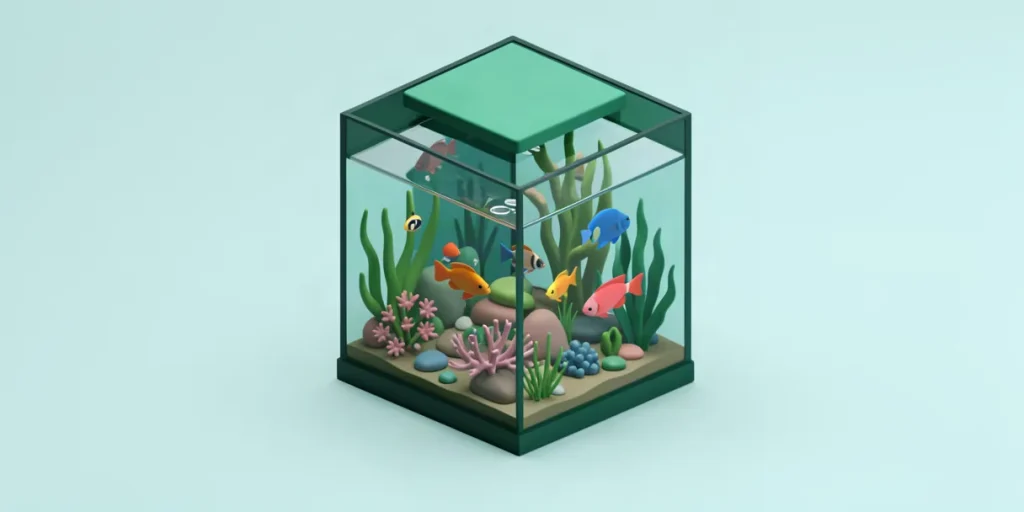
Keeping different fish species together in a home aquarium is possible with the right selection of inhabitants based on their behavioral and biological traits, as well as environmental conditions. It’s important to consider compatibility in temperament, size, and needs to ensure comfort and health for all fish.
A home aquarium is a unique microcosm where the residents must coexist harmoniously. The nuances of keeping different fish species together play a key role in creating a balanced ecosystem that is visually pleasing and promotes the well-being of the pets. Poor neighbor choices can lead to stress, conflicts, and even the death of inhabitants.
In this article, we will explore the main principles of keeping fish together, focus on the compatibility of various species, and discuss care features to help aquarists create a healthy and beautiful aquatic environment at home.
| Fish Species | Temperature (°C) | pH | Hardness (dGH) |
|---|---|---|---|
| Goldfish | 18–22 | 7.0–8.0 | 5–15 |
| Neon Tetra | 22–26 | 6.0–7.0 | 1–10 |
| Cichlid | 24–28 | 7.5–8.5 | 10–20 |
| Guppy | 22–28 | 6.8–7.8 | 8–12 |
| Discus | 28–30 | 6.0–7.0 | 1–5 |
- 20–30% recommended weekly water change volume
- 1 cm per 1 liter recommended fish stocking density
- 18–28 °C temperature range for most tropical fish
How to Properly Choose Compatible Fish Species for Your Aquarium?
To select compatible fish species for an aquarium, you need to consider water temperature and chemical parameters, fish size, and behavioral traits, since mismatches in these factors lead to stress, injuries, and deteriorating health of the inhabitants.
Temperature and Water Chemistry
Different fish species prefer certain temperature ranges and pH levels, which affect their vitality and activity. For example, goldfish feel comfortable at 18–22 °C, while neon tetras require 22–26 °C. Cichlids need water with a pH of 7.5–8.2, and guppies prefer 6.8–7.8. Ignoring these parameters can reduce immunity and increase mortality rates. Using aquarium tests for pH and temperature with accuracy to 0.1 units and 0.5 °C respectively is useful for monitoring.
Behavioral Traits
Fish compatibility also depends on their behavior. Large species over 15 cm can injure smaller fish under 5 cm, so aquarists are advised to select species by size. Peaceful catfish like Corydoras coexist well with small characins due to the calm nature of both. Aggressive cichlids require separate housing or very spacious tanks of at least 100 liters to avoid conflicts.
- Temperature: goldfish 18–22 °C, neon tetras 22–26 °C;
- Water pH: cichlids 7.5–8.2, guppies 6.8–7.8;
- Fish size: large from 15 cm, small up to 5 cm;
- Aquarium volume for aggressive species: from 100 liters.
Which Water Parameters Are Most Important for Keeping Fish Together?
For successfully keeping different fish species together in a home aquarium, water parameters such as oxygen level, hardness, and pH, as well as regular water renewal, are critical. These factors ensure comfortable living conditions and reduce the risk of diseases.
Oxygen and Aeration
The optimal oxygen regime is maintained with aquarium compressors, such as the Aquael OxyBoost 100, priced at about 1200 ₽. This device provides sufficient aeration for tanks up to 100 liters, which is especially important when keeping labyrinth fish that need clean air. Regular oxygen saturation helps maintain the health of all inhabitants and prevents oxygen depletion in the water column.
Hardness and pH
General water hardness should be within 5–15 dGH for fish like barbs and labyrinth species. This supports optimal metabolism and reduces stress. Most tropical species prefer a neutral to slightly acidic environment with pH from 6.5 to 7.5. To maintain stable parameters, it is recommended to change 20–30% of the water weekly, which helps control pollution levels and sustain chemical balance.
- Water hardness: 5–15 dGH for barbs and labyrinth fish
- pH: 6.5–7.5 for most tropical fish
- Aeration: Aquael OxyBoost 100 compressor (~1200 ₽) for 100 l
- Water changes: 20–30% weekly
Which Fish Species Are Best Not Kept Together Due to Aggression or Diseases?
Certain fish species are strongly discouraged from being kept together due to pronounced aggression or incompatible living conditions, leading to stress, injuries, and illnesses among aquarium inhabitants.
Aggressive Species
Aggressive cichlids, such as the oscar (Astronotus), often display territorial behavior and attack smaller fish like neon tetras, causing their death. Tiger barbs are known for fin-nipping peaceful tankmates, inducing stress and increasing infection risks.
- Astronotus grows up to 30 cm and requires an aquarium of at least 200 liters for comfortable keeping.
- Tiger barb needs water hardness of 5–12 dGH and temperature of 22–27 °C.
Specific Conditions
Discus fish require a stable temperature range of 28–30 °C and soft water with total hardness below 5 dGH, which conflicts with conditions preferred by most livebearers. Overcrowding raises ammonia concentration above 0.1 mg/l, which is toxic and causes diseases.
- Optimal temperature for discus: 28–30 °C.
- Safe ammonia level in aquarium: less than 0.05 mg/l.
How to Avoid Common Mistakes When Creating a Mixed Aquarium?
Step-by-Step Introduction of Fish
To avoid stress and conflicts, don’t add all fish species at once — new inhabitants should be introduced gradually with 1–2 week intervals. This approach allows the aquarium to adapt to changes in biological load and reduces disease outbreaks. Recommended stocking density should not exceed 1 cm of fish length per 1 liter of water to prevent overcrowding and degraded environment quality.
- Interval between adding new species — 7–14 days;
- Maximum stocking density — 1 cm fish per 1 liter of water;
- Monitor fish behavior and adaptation during the first 2 weeks;
Parameter Monitoring
Maintaining stable water parameters is a key factor for a successful mixed aquarium. Sudden pH changes over 0.3 units within 24 hours can harm inhabitants. For regular checks, tests like the JBL Test Set Freshwater costing about 1500–1800 ₽ are recommended, measuring pH, hardness, and other vital indicators. Testing should be done at least once a week and whenever fish health seems compromised.
- Maximum daily pH change — 0.3 units;
- JBL Test Set Freshwater cost — 1500–1800 ₽;
- Testing frequency — at least once per week;
Which Aquarium Accessories Help Maintain a Healthy Community of Different Fish Species?
To maintain a healthy community of various fish species in an aquarium, quality filtration, appropriate lighting, and live plants are essential. They create a stable environment and minimize harmful substances. An optimal accessory set includes a filter, heater, light, and plants that aid biological filtration.
Filtration and Aeration
The AquaClear 50 filter with a flow rate of 190 l/h is suitable for tanks up to 60 liters, effectively removing organic waste and keeping water clean, priced around 3500 ₽. Additional oxygenation is achieved through aeration, helping fish of different species breathe comfortably. The Aquael Comfort Zone 50 W heater maintains stable temperature in aquariums up to 50 liters, important for warm-blooded species, with a price near 2500 ₽.
Plants and Lighting
Live plants like Amazon Sword (Echinodorus amazonicus) reduce nitrate levels and provide natural shelters for fish. The JBL Solar Natur LED lighting, costing about 5000 ₽, creates optimal conditions for photosynthesis, supporting plant health and encouraging natural fish behavior.
- AquaClear 50 filter — 190 l/h, up to 60 l, ≈ 3500 ₽
- Aquael Comfort Zone 50 W heater — for aquariums up to 50 l, ≈ 2500 ₽
- Amazon Sword plant — reduces nitrates, provides shelter
- JBL Solar Natur LED lighting — ideal for plants and fish, ≈ 5000 ₽
When Is It Not Recommended to Keep Different Fish Species Together?
Incompatible Parameters
Keeping different fish species together is not advisable when their water parameter requirements differ significantly. For example, African cichlids prefer pH above 8, while South American species feel comfortable at pH below 7. Such discrepancies cause stress and promote disease development among aquarium inhabitants.
Temperature must also be considered: tropical fish thrive between 24 and 28 °C, whereas some species from cooler regions need 18–22 °C. Filters and heaters like the Aquael Heater 100 W are designed for specific temperature ranges, and attempts to create universal conditions can worsen fish health.
Lack of Space
In aquariums under 50 liters, mixing large and small species often leads to injuries and stress because big fish dominate and may attack smaller ones. For comfortable coexistence, aquariums of at least 100 liters are recommended, especially if more aggressive species are present.
Additionally, a lack of hiding places and plants worsens the situation: aggressive fish, having nowhere to hide, start actively chasing neighbors. It is recommended to provide shelters covering at least 30% of the tank bottom area, such as decorative caves or dense plant thickets, to reduce conflict and fish mortality.
- Water pH: African cichlids — >8, South American — <7;
- Minimum aquarium volume for mixed species — from 50 l;
- Recommended shelter coverage — at least 30% of bottom area;
- Optimal temperature for tropical fish — 24–28 °C.
Frequently Asked Questions
Can goldfish be kept with guppies?
How often should water be changed in a mixed aquarium?
Which plants are best for creating hiding places?
Can all fish be added at once to a new aquarium?
Key Takeaways
- Temperature and pH are key parameters for selecting compatible species
- Aggressive and peaceful fish don’t always coexist well
- Gradual fish introduction reduces the risk of diseases
- Maintaining water quality requires regular changes and monitoring
- Proper equipment and plants create comfortable conditions