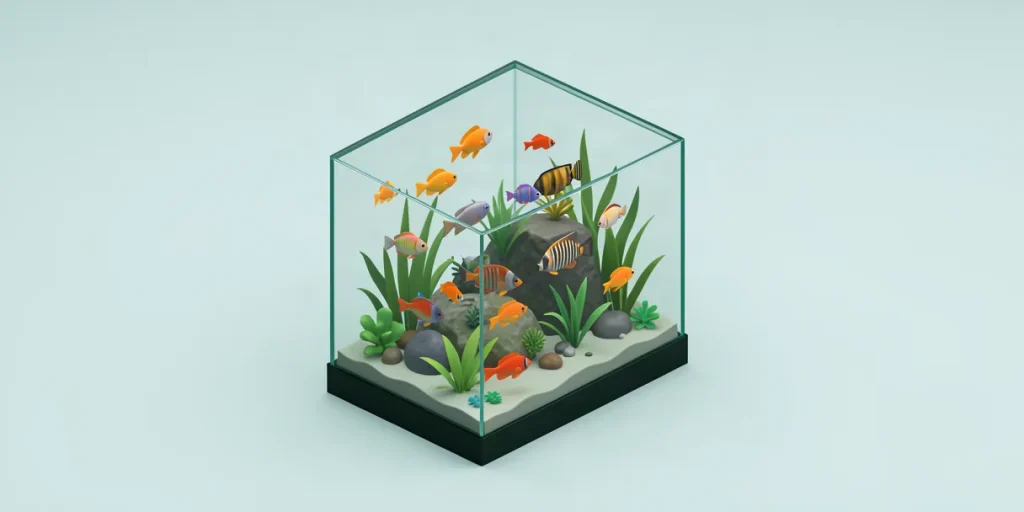
Caring for aquarium animals requires regular monitoring of water quality, balanced nutrition, and careful observation of the inhabitants’ health. Only a comprehensive approach ensures a long and active life for fish, crustaceans, and other aquarium pets.
The specifics of caring for aquarium animals include maintaining optimal environmental parameters such as temperature, oxygen levels, and water cleanliness, as well as choosing the right feeds based on the species and age characteristics of the pets. Understanding the basic principles of health and nutrition helps prevent common diseases and stress that often arise from improper care.
For those who want to delve deeper into the issues of keeping, species, and characteristics of aquarium animals, we recommend reading our full review «Aquarium Animal: A Complete Guide to Care, Species, and Features.» This material thoroughly covers the main aspects that will help create comfortable conditions for your pets. Read more about health and nutrition in our detailed analysis «Caring for Aquarium Animals: Health and Nutrition.»
| Feed | Protein Content | Form | Average Price (₽) |
|---|---|---|---|
| Hikari Tropical | 45% | Pellets | 1200 per 100 g |
| TetraMin | 42% | Tablets/Pellets | 900 per 100 g |
| Sera Vipagran | 38% | Bottom Fish Tablets | 700 per 250 ml |
| API General Cure | — | Medicine | 800 per 70 ml bottle |
- 20–30% weekly water change in the aquarium
- 6.5–7.5 recommended pH level for freshwater fish
- 40% minimum protein content in feed for fish growth
- 24–28 °C temperature range for tropical aquarium fish
How to Choose Optimal Water Parameters for Aquarium Animal Health?
Main Parameters
Optimal water parameters for the health of aquarium animals include pH level, temperature, and hardness (GH), which affect the physiology and immunity of the inhabitants. For most freshwater fish, the pH level should be between 6.5 and 7.5, providing a comfortable environment without stress. The water temperature for tropical fish ranges from 24 to 28 °C, maintained using heaters such as the JBL ProTemp S models costing around 3500 ₽. Water hardness is recommended to be kept between 4 and 12 dGH, as it influences metabolism and disease resistance.
Monitoring Tools
Regular water quality monitoring is essential to maintain aquarium animal health. Test kits like the API Freshwater Master Test Kit, priced around 1500 ₽, allow measurement of ammonia, nitrites, and nitrates concentrations. These indicators are crucial to prevent toxic effects on fish and other inhabitants. Such tests enable timely correction of water parameters to prevent diseases.
Which Feeds and Supplements Provide Complete Nutrition for Aquarium Animals?
Types of Feeds
High-quality feeds such as Hikari Tropical and TetraMin provide complete nutrition for aquarium fish thanks to protein content exceeding 40%, which promotes their growth and development. Specialized tablets, for example, Sera Vipagran, are used for bottom-dwelling species and are sold at about 700 ₽ per 250 ml pack. Vitamin-enriched supplements like SERA Vipan improve immunity and enhance coloration, which is especially important for maintaining the health of fish in home aquariums.
Feeding Regimen
- Feeding frequency – 2–3 times a day.
- Portion size should allow fish to consume the feed within 2–3 minutes to avoid water pollution.
- Bottom fish are fed tablets once a day.
A proper feeding regimen helps maintain water cleanliness and prevents diseases associated with overfeeding or nutrient deficiencies.
How to Ensure Prevention and Treatment of Diseases in Aquarium Animals?
Prevention
To prevent diseases in aquarium animals, it is necessary to change 20–30% of the water weekly and regularly clean filters, for example, the Eheim Professional 4+ model costing about 9000 ₽. Maintaining stable water parameters and avoiding overcrowding minimizes stress and reduces infection risks.
- Water change: 20–30% weekly
- Filter: Eheim Professional 4+ (around 9000 ₽)
- Parameter stability: temperature, acidity, hardness
- Maximum fish quantity: according to aquarium volume
Treatment
If disease symptoms appear — fin cloudiness, white spots, decreased activity — medication should be applied immediately, such as API General Cure, approximately 800 ₽. Treatment should start promptly to prevent the spread of infection and preserve the health of aquarium inhabitants.
- Main symptoms: fin cloudiness, white spots, lethargy
- Medication: API General Cure (about 800 ₽)
- Treatment duration: according to drug instructions
What Environmental Conditions Are Most Comfortable for Different Aquarium Animal Species?
Volume and Decoration
For comfortable care of cichlids, an aquarium volume of at least 100 liters with natural shelters made of stones and driftwood is recommended, which helps reduce fish stress and creates a natural environment. Guppies and neon fish thrive in tanks from 30 liters, where dense plant growth and free swimming space are important.
Lighting and Plants
Optimal lighting for most aquarium animals is provided by LED systems such as the Aquael Leddy Smart RGB, priced around 5000 ₽, adjustable in spectrum and intensity depending on the species. Plants like Anubias and Java moss play a key role in reducing nitrate concentrations and provide shelter, which is important for maintaining fish health and reducing aggression. Adhering to a lighting schedule of 10–12 hours per day stabilizes biorhythms and promotes normal development of aquarium inhabitants.
When and Why Can Aquarium Animal Care Lead to Problems?
Common Mistakes
Aquarium animal care can lead to problems if feeding regimes, water changes, and stocking norms are not followed. Overfeeding, for example, more than 3 grams of feed per day per 10 liters of water, promotes algae growth, worsening water quality and creating toxic conditions for fish.
Also, untimely water replacement when ammonia levels exceed 0.02 mg/l causes intoxication of aquarium inhabitants. Overcrowding, where fish density exceeds 1 individual per 5 liters of water, lowers oxygen levels below 6 mg/l, causing stress and weakening immunity.
Dangerous Consequences
- Algae growth and reduced water clarity, impairing photosynthesis and oxygen regime;
- Toxic ammonia accumulation leading to fish poisoning and death;
- Hypoxia from overcrowding, provoking diseases and reduced activity;
- Use of inappropriate chemicals without expert consultation, for example, copper-based products which according to Tetra (2026) instructions are unsuitable for some fish and invertebrates;
All these factors require strict water parameter control and regular maintenance to avoid serious health problems in aquarium pets.
Frequently Asked Questions
How many times a day should aquarium fish be fed?
How often should water be changed in the aquarium?
What symptoms indicate fish illness?
Can regular lamps be used instead of LED for aquarium lighting?
Key Takeaways
- Maintaining pH between 6.5 and 7.5 is critical for fish health
- Feeds with over 40% protein content improve growth and immunity
- Weekly 20–30% water changes prevent toxin buildup
- Aquael Leddy Smart RGB LED lighting provides comfortable conditions
- Avoid overcrowding and overfeeding to reduce disease risks