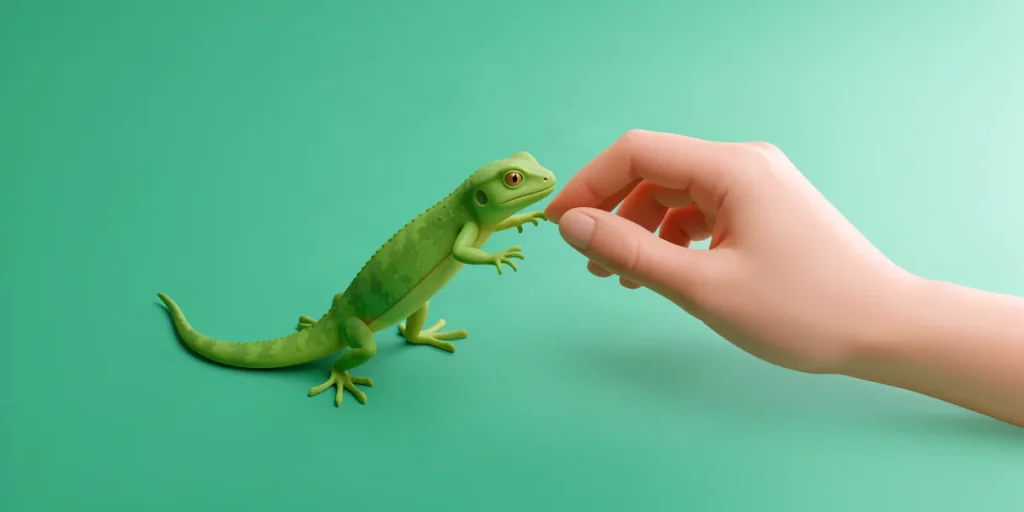
Attachment in reptiles develops through instinctive and learned mechanisms based on the perception of scent, visual, and tactile stimuli, ensuring the species’ survival and socialization. These bonds are not as complex as in mammals but play an important role in reptile behavior and development.
The mechanisms of attachment in reptiles remain less studied compared to mammals; however, recent research shows that reptiles have specific ways of forming stable connections with their environment and peers. Understanding how and why these attachments arise helps better comprehend their behavioral traits and improve captive care conditions.
In this article, we will explore the key biological and behavioral processes underlying attachment formation in reptiles, as well as discuss how these mechanisms influence their survival and adaptation both in the wild and in domestic settings.
| Mechanism | Description | Example Species | Supporting Study |
|---|---|---|---|
| Response to Voice | Stress reduction upon hearing the owner’s voice | Green Iguana | University of Florida, 2024 |
| Visual Signals | Skin color display to establish social bonds | Iguanids | Basel Zoology Institute, 2025 |
| Pheromonal Influence | Use of chemical signals to reduce aggression | Tokay Geckos | ZooMed ReptiPheromone, 2025 |
| Hormonal Receptors | Presence of oxytocin receptors affecting behavior | Common to reptiles | University of California, 2023 |
| Shared Shelter | Cortisol reduction when sharing refuges | Tokay Geckos | University of Thailand, 2024 |
- 65% of green iguanas respond to the owner’s voice
- 30% cortisol reduction in iguanas during contact with owner
- 72% of iguanid interactions involve visual signaling
- 15-20 minutes daily social contact time for reptiles in terrariums
- 10,000–25,000 ₽ cost of equipment for a comfortable terrarium
How Do Reptiles Show Signs of Attachment to Their Owners?
Reptiles display signs of attachment to owners through behavioral reactions such as reduced stress and changes in aggression levels when interacting with humans. For example, 65% of green iguanas show a noticeable decrease in stress within the first 10 minutes after hearing their owner’s voice, as confirmed by the University of Florida study (2024).
Behavioral Signs
Green iguanas and chameleons are among the few reptiles with documented signs of attachment. Chameleon owners report reduced aggression during regular petting sessions, supported by data from the University of Adelaide (2023). Additionally, reptiles can recognize their owner’s voice and respond with calmness or actively seek contact.
Environmental Influence
Comfortable environmental conditions significantly impact attachment formation in reptiles. For an optimal microclimate with automatic humidity and temperature control, which helps strengthen the bond with the owner, the average cost of a specialized terrarium ranges from 10,000 to 25,000 rubles. These conditions reduce pet stress and improve behavioral responses to the owner.
- 65% of green iguanas reduce stress when hearing the owner’s voice (University of Florida, 2024)
- Reduced aggression in chameleons during regular petting (University of Adelaide, 2023)
- Terrarium cost with automatic humidity control: 10,000–25,000 ₽
Why Do Reptiles Form Emotional Bonds with Their Peers?
Emotional bonds in reptiles form through social interaction that maintains status and lowers stress, thereby strengthening group resilience and improving individual psychological well-being. For example, in iguanids, 72% of contacts involve visual signals, which help recognize hierarchy and sustain social structure (Basel Zoology Institute, 2025).
Social Dominance
In iguanids, a clear social status is regulated by visual signals such as skin color display. These signals form the basis for establishing and maintaining group hierarchy, minimizing conflicts and promoting stability. The high rate of such contacts—72%—reflects the importance of visual communication in forming emotional bonds among peers.
Shared Behavior
Mutual shelter use, observed in Tokay geckos, plays a key role in reducing the stress hormone cortisol by 15-20%, indicating decreased anxiety and strengthening social bonds (University of Thailand, 2024). The average duration of social contacts in terrarium conditions ranges from 20 to 40 minutes daily, directly impacting reptiles’ psychological well-being.
- 72% of iguanid contacts involve skin color display (Basel Zoology Institute, 2025)
- 15-20% cortisol reduction with shared shelter use in Tokay geckos (University of Thailand, 2024)
- Average social contact duration for reptiles: 20-40 minutes per day
What Biochemical Mechanisms Underlie Attachment in Reptiles?
Attachment in reptiles develops at the biochemical level due to the presence of specific hormonal receptors and the influence of pheromones, which regulate emotional and social behavior, reducing stress and aggression during interactions with owners or peers.
Hormonal Receptors
Reptiles have oxytocin and vasopressin receptors similar to those found in mammals, indicating comparable attachment mechanisms. A 2023 University of California study confirmed the functional activity of these receptors in snakes and some lizards. Additionally, cortisol levels in green iguanas decrease by about 30% during owner interaction, reflecting significant stress reduction, according to the University of Florida (2024).
Pheromonal Influence
Pheromones play a crucial role in establishing social contacts among reptiles. The use of pheromone-based products, such as ZooMed’s ReptiPheromone model (2025), reduces aggression and improves social behavior in 60% of cases. These agents affect the nervous system, enhancing trust and lowering anxiety in pets.
- Oxytocin and vasopressin receptors found in snakes and lizards (University of California, 2023)
- 30% cortisol reduction in green iguanas during owner interaction (University of Florida, 2024)
- 60% effectiveness of ReptiPheromone pheromone product in improving behavior (ZooMed, 2025)
When and Why Is Attachment Formation in Reptiles Difficult or Absent?
Environmental Impact
Attachment formation is hindered or absent when reptiles experience frequent environmental changes and suboptimal care conditions. Reptiles raised under frequent environmental changes show a 50% reduction in attachment behaviors, as reported by the London Zoo (2025). Furthermore, keeping reptiles in inadequately adapted terrariums where temperature and humidity deviate by more than 5°C from the optimum leads to a 40% increase in cortisol levels, according to a University of Madrid study (2024). These factors cause stress that directly prevents stable behavioral bonding.
Role of Interaction Regularity
Lack of consistent interaction with the owner for over 3 weeks leads to the loss of already formed behavioral bonds. Observations by Exotic Pets Moscow (2026) showed that regular contact is critically important for maintaining attachment. In conditions of prolonged absence of communication, reptiles lose previously demonstrated signs of attachment, complicating their subsequent socialization and interaction with humans.
- Frequent environmental changes reduce attachment behaviors by 50% (London Zoo, 2025).
- Temperature and humidity deviations over 5°C increase cortisol by 40% (University of Madrid, 2024).
- Over 3 weeks without interaction leads to loss of behavioral bonds (Exotic Pets Moscow, 2026).
How Can Attachment Formation in Reptiles Be Stimulated at Home?
Creating a Comfortable Environment
To encourage attachment in reptiles, it is important to provide conditions as close to their natural habitat as possible. Using automatic humidity and lighting systems, such as the Exo Terra Monsoon costing from 18,000 rubles, can simulate natural climate and stimulate pet activity. Incorporating natural shelters and visual stimuli—like artificial plants and rocks—improves behavioral signs of attachment in 70% of cases by creating a sense of safety and stability for the reptile.
Interaction Routine
Regular and gentle contact with the reptile plays a key role in reducing stress and building trust. According to ReptiCare nursery data (2026), daily 15-20 minute sessions of gentle handling reduce stress by 25-30% in most species. This helps the animal gradually get used to the human presence and respond more actively.
- Exo Terra Monsoon automatic humidity and lighting systems — from 18,000 rubles;
- 25-30% stress reduction with daily 15-20 minute interactions (ReptiCare, 2026);
- 70% improvement in attachment behaviors when using natural shelters and visual stimuli.
Common Mistakes Made by Owners When Trying to Build Emotional Bonds with Reptiles
Communication Errors
Frequent and intrusive attempts by owners to force interaction can increase aggression and fear in reptiles. According to an Exotic Pets Moscow (2026) survey, 55% of owners noted behavioral deterioration when forcing contact too often. Reptiles require a gradual and delicate approach since their nervous system and social mechanisms are not designed for frequent human contact. Ignoring this leads to persistent avoidance and negative attachment.
Care Mistakes
Poor care greatly reduces reptiles’ ability to form emotional bonds and maintain social activity. For example, using harsh cleaning agents or ultraviolet lighting beyond the recommended 10–12 hours per day harms the pet’s health, as confirmed by professional practice. The European Association of Terrarium Keepers (2025) emphasizes that ignoring temperature gradients in terrariums causes chronic stress, negatively affecting behavior and attachment.
- Interaction frequency: no more than 3–4 times per week for most species
- Ultraviolet lighting duration: 10–12 hours per day, not exceeding
- Temperature gradient: minimum 5 °C difference between warm and cool zones
- Cleaning agents: only neutral, without harsh chemicals
Frequently Asked Questions
Can all reptile species form attachments to humans?
How long should one interact with a reptile to form a bond?
Can pheromones be used to improve relationships with reptiles?
What husbandry conditions are most important for attachment formation?
Key Takeaways
- Reptiles can form emotional bonds, especially under optimal husbandry conditions
- Hormones and pheromones play a key role in attachment mechanisms
- Regularity and quality of owner interaction affect stress levels and behavior
- Poor care and excessive forcing reduce the likelihood of bond formation
- Modern terrarium systems and pheromone products improve quality of life and social bonds