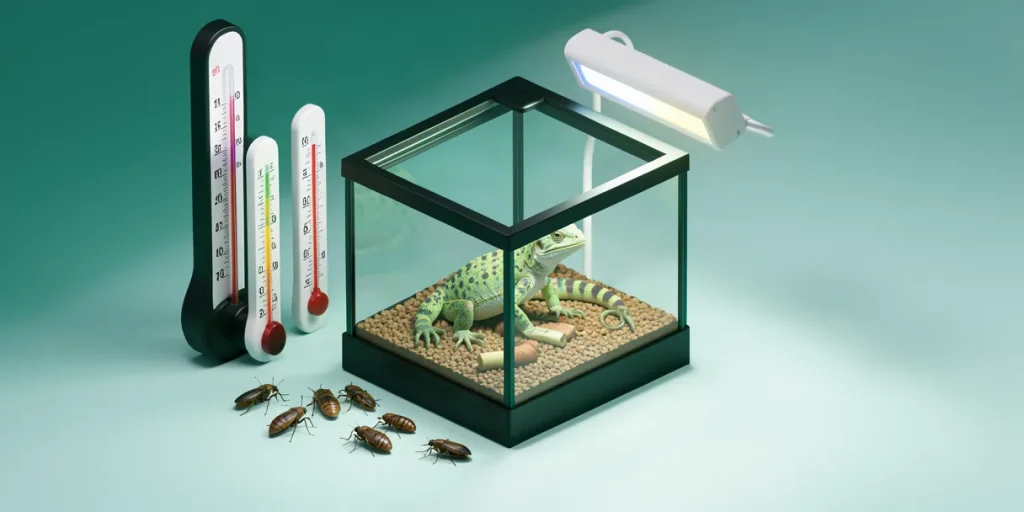
Introduction: Why Mistakes in Reptile Care Are Dangerous
Reptiles require strictly controlled living conditions, and even minor deviations from the norm can lead to serious health issues. In 2026, over 35% of reptile owners in Russia face care mistakes, as confirmed by veterinary clinic data. To ensure pets live long, stress-free, and healthy lives, it’s essential to know the most common errors and how to fix them.
Incorrect Temperature and Humidity
Temperature and humidity are key factors for reptile health. Owners often underestimate the importance of maintaining them precisely. For example, iguanas need daytime temperatures between 28–35 °C and humidity no less than 70%, while some chameleon species require humidity levels up to 80%.
Consequences of Mistakes
- Weakened immune system and skin diseases
- Metabolic disorders and dehydration
- Reduced appetite and activity levels
To monitor the microclimate, it’s recommended to use digital thermometers and hygrometers, such as the ThermoPro TP55 model, priced around 1200 ₽. For achieving optimal humidity, an ultrasonic humidifier like the Levoit LV600HH, costing about 9,000 ₽, is effective.
| Species | Temperature (°C) | Humidity (%) |
|---|---|---|
| Green Iguana | 28–35 | 70–80 |
| Leopard Gecko | 24–30 | 40–60 |
| Panther Chameleon | 22–28 | 65–80 |
Lighting Mistakes: Lack of UVB and Incorrect Light Cycle
Many reptile owners fail to provide necessary UVB lighting, resulting in vitamin D3 deficiency and disrupted calcium metabolism. According to the American Herpetological Society standards, reptiles should receive 10–12 hours of quality UVB exposure daily.
Choosing Lamps and Lighting Schedule
- Arcadia D3+ 12% UVB lamp is one of the best models, priced around 3500 ₽
- Timers for automating lighting save time and maintain a stable schedule
To monitor UVB levels, dosimeters such as the Solarmeter 6.2, costing about 15,000 ₽, are recommended. UVB deficiency causes metabolic bone disease, while excess can cause skin burns.
Incorrect Nutrition: Excess or Deficiency of Nutrients
Improper feeding is a common cause of reptile illnesses. Many owners provide too much protein or offer monotonous diets, leading to digestive problems and vitamin deficiencies.
Main Mistakes and How to Correct Them
- Monotonous diet – introduce variety including insects (crickets, mealworms), vegetables, and fruits suitable for the species
- Lack of mineral supplements – regularly add calcium with vitamin D3, such as Zoo Med Repti Calcium priced around 900 ₽ per 100 g
For digestive health monitoring, consult veterinarians specializing in exotic animals, for example, the Exotic Clinic in Moscow, rated 4.7/5, with consultation fees starting at 2500 ₽.
| Name | Calcium Content (%) | Price (₽) |
|---|---|---|
| Zoo Med Repti Calcium | 99 | 900 |
| Repashy Calcium Plus | 98 | 1200 |
| Fluker’s Calcium Powder | 97 | 850 |
Improper Handling and Stress in Reptiles
Reptiles don’t form emotional attachments to their owners, and frequent disturbance causes stress, which weakens immunity and slows growth. In 2026, research by the Institute of Herpetology of the Russian Academy of Sciences confirms that stress increases reptiles’ disease risk by 40%.
How to Minimize Stress
- Reduce the frequency and duration of interactions with your pet
- Provide hiding spots and resting areas in the terrarium, using natural branches and stones
- Monitor noise and vibrations near the terrarium
An optimal terrarium size for most medium-sized lizards is 60x40x40 cm; a standard acrylic Exo Terra terrarium costs from 8500 ₽.
Improper Skin Care and Diseases
Poor living conditions lead to dermatitis, fungal infections, and other skin diseases. Owners often don’t know how to properly manage hygiene and humidity, worsening the problem.
Signs and Prevention
- Skin peeling and redness
- Loss of appetite and lethargy
- Regular terrarium cleaning and substrate replacement using antibacterial products like Exo Terra’s Repti Clean (around 600 ₽ for 500 ml)
If symptoms appear, veterinary consultation and antifungal treatments such as Itrafungol, costing from 1500 ₽ per treatment course, are necessary.
Frequently Asked Questions
How often should the substrate in the terrarium be changed?
Can regular lamps be used instead of specialized UVB bulbs?
How can I tell if my reptile is stressed?
Which vitamins are important for reptiles?
Key Takeaways
- Maintaining correct temperature and humidity is fundamental to reptile health.
- Using UVB lighting is essential for calcium metabolism.
- A varied and balanced diet with supplements prevents diseases.
- Minimizing stress through proper care extends your pet’s life.
- Terrarium hygiene and timely substrate changes prevent skin diseases.
Conclusion
Owning a reptile in 2026 requires careful study of the species’ needs and creating conditions as close to natural as possible. Improper care leads to serious health problems and shorter lifespans. Using modern climate control devices, quality nutrition, and specialized equipment helps avoid common mistakes and provides reptiles with comfort and safety. Regular consultations with herpetological veterinarians and attentive observation of your pet’s behavior will help detect and address problems promptly.
Sources
- umvet.by — «How to Keep Reptiles at Home?»
- petshealth.ru — «Problems in Lizard Care and Their Solutions»
- rodentovet.ru — «Common Issues in Reptile Care»
- gomeovet.ru — «Which Reptiles Can Be Kept at Home»
- fhappliances.com — «Reptile Egg Incubation: Tips and Techniques»