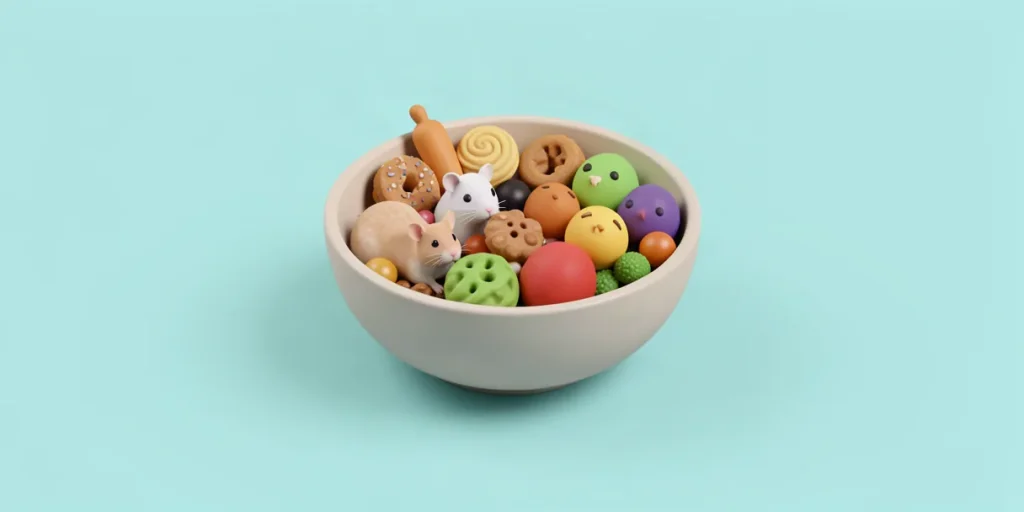
Treats have a significant effect on the health and behavior of rodents and rabbits: when chosen correctly, they can stimulate activity and strengthen immunity, but excessive or inappropriate feeding leads to obesity, digestive disorders, and behavioral issues. Balance and quality are key factors in using treats.
Owners of rodents and rabbits often use treats as a way to reward and diversify the diet, but they don’t always consider the possible consequences for their pets. The impact of treats on the health and behavior of rodents and rabbits is especially relevant now, given the growing interest in proper care and husbandry of these animals.
In this article, we will take a detailed look at how treats affect the physiological condition and mood of small pets, the risks associated with improper feeding, and how owners can wisely include treats in the daily diet to maintain a harmony between enjoyment and health.
| Type of Treat | Benefit | Risk | Average Price (₽) |
|---|---|---|---|
| Timothy Hay | Provides fiber and chewing load | May contain dust | 150 per 1 kg |
| Mineral Block | Supports teeth and bones | Rarely causes allergies | 300–450 per piece |
| Dried Vegetables | Source of vitamins | High sugar content in some types | 250–400 per 100 g |
| Fruit Sweets | Attract pets | Risk of obesity and diabetes | 200–350 per 50 g |
- 18% minimum fiber content in rabbit diets according to NRC (2026)
- 2-3 mm/week rodent tooth growth per week according to the World Veterinary Association (2025)
- 10% maximum portion of treats in daily diet according to AVMA (2025)
- 60% maximum allowable humidity when storing treats according to GOST R 54601-2011
How Do the Digestive Features of Rodents and Rabbits Affect Treat Selection?
Digestion and Teeth
The digestive system of rabbits and rodents requires treats high in fiber — at least 18% in the diet according to the NRC standard (2026) — to ensure proper intestinal function and support the microbiome. Rodents’ teeth grow approximately 2–3 mm per week, so they absolutely need chewable treats with a hard texture for natural wear, as recommended by the World Veterinary Association (2025). For example, twigs and specially pressed fiber briquettes costing from 150 to 300 rubles are suitable for this purpose.
- At least 18% fiber in treats per NRC standard (2026)
- Rodent tooth growth 2–3 mm per week per WVA (2025)
- Price of chewable briquettes from 150 to 300 ₽
Risks of Improper Feeding
Excessive use of sweet or fatty treats leads to dysbiosis and obesity in rabbits and rodents, as confirmed by the Russian Academy of Sciences Veterinary Institute study (2024). This disrupts microbiome balance and worsens digestion, increasing disease risk. Owners should limit such treats to 5% of the total diet and prefer natural products low in sugar and fat.
- No more than 5% sweet or fatty treats in the diet
- Risk of dysbiosis and obesity confirmed by RAS Veterinary Institute (2024)
Which Types of Treats Are Most Beneficial for Domestic Rodents and Rabbits?
Herbal and Hay Treats
The most beneficial treats for domestic rodents and rabbits are Timothy and alfalfa hay, which should make up to 20% of the daily diet. In «Zoomir» stores (2026), the price for 1 kg of such hay starts at 150 ₽. Additionally, dried vegetables and herbs, such as carrot and clover, are a good source of vitamins and fiber, sold in 100 g packs by the Vitakraft brand at prices of 250–400 ₽.
These herbal treats support digestion and promote natural tooth wear, which is especially important for rodents and rabbits. Regular inclusion in the diet helps prevent obesity and gastrointestinal problems related to fiber deficiency.
Mineral Supplements
Mineral blocks with calcium and vitamins are an essential part of dental and bone care for domestic rodents and rabbits. According to Zooplus (2026), such blocks cost from 300 to 450 ₽ per piece and provide pets with necessary micronutrients.
- Timothy and alfalfa hay: up to 20% of diet, price from 150 ₽/kg (Zoomir, 2026)
- Dried vegetables and herbs Vitakraft: 100 g packs, 250–400 ₽
- Mineral blocks Zooplus: 300–450 ₽ each, support bones and teeth
How Do Treats Affect the Behavior of Rodents and Rabbits?
Treats significantly influence the behavior of rodents and rabbits, reducing stress and aggression when chosen properly, but causing hyperactivity and addiction when sweet treats are overused. Chewable treats contribute to emotional comfort, while natural ones improve socialization and training.
Psychological Effect
Chewable treats have proven effective in lowering stress and aggression levels in rodents and rabbits. A 2025 study by the Moscow Zoo showed that regular provision of such treats led to a 30% reduction in aggressive episodes. Furthermore, the «Zveropolis» nursery in 2026 noted that rewarding with natural treats increased training success to 70%, promoting better socialization of the animals.
Behavioral Risks
Sweet treats, especially for hamsters and degus, can cause addiction and hyperactivity, worsening behavior. The «Pets and Health» magazine in 2026 noted that excessive consumption of sugary products leads to increased excitability and decreased attention in these species. To maintain balance, the following criteria are important:
- Chewable treats — 30% reduction in aggression (Moscow Zoo, 2025).
- Natural treats — 70% successful training rate («Zveropolis» nursery, 2026).
- Sweet treats — risk of hyperactivity and addiction in hamsters and degus («Pets and Health» magazine, 2026).
When and Why Can Treats Harm the Health of Rodents and Rabbits?
Treats can harm the health of rodents and rabbits if their amount exceeds 10% of the daily diet or if they contain harmful ingredients such as excess sugar and artificial additives. Overconsumption leads to obesity, liver problems, diabetes, and other diseases.
Risks of Overfeeding
Excessive treats above 10% of an animal’s total diet promote rapid weight gain and obesity development, as confirmed by the American Veterinary Medical Association’s guidelines (AVMA, 2025). Fat accumulation negatively affects liver function and reduces lifespan in rodents and rabbits. Even moderate exceeding of this threshold can disrupt metabolism and worsen overall health.
Dangerous Ingredients
Treats with sugar content above 15 grams per 100 grams provoke tooth decay and diabetes in small pets, as shown by research from the Russian Academy of Sciences Veterinary Institute (2024). Additionally, products with preservatives and artificial colorings are linked to allergic reactions and gastrointestinal disorders, supported by data from Rospotrebnadzor (2026).
- Maximum treats in diet: 10% of daily volume
- Sugar content in treats: no more than 15 g per 100 g
- Avoid additives: preservatives and colorings per Rospotrebnadzor standards (2026)
How to Properly Dose and Choose Treats for Different Rodent and Rabbit Species?
Dosages by Species
For rodents and rabbits, treat dosage depends on species and body weight: rabbits receive no more than 30 g per day, about 5% of their diet, while hamsters and guinea pigs need only 5–10 g daily considering their weight of 100–150 g. According to the «KrolikLand» nursery (2026), this norm ensures safety and maintains health without risk of obesity or digestive disorders.
For small rodents like hamsters and guinea pigs, excessive treats may cause digestive problems and overweight, so it’s important to strictly adhere to the recommended 5–10 g. Meanwhile, rabbits’ larger body volume allows a daily dose up to 30 g to diversify the diet safely.
Recommendations for Selection
Optimal treats are natural and certified products without artificial additives, guaranteeing quality and safety. Among popular brands, «Versele-Laga» and «Supreme Petfoods» stand out, with package prices starting from 400 ₽, making them accessible and trusted options.
- Naturalness: no colorings or preservatives
- Certification: products with official quality marks
- Price: from 400 ₽ per package, reflecting quality and affordability
- Packaging: airtight, preserving product freshness
By choosing treats according to these criteria, rodent and rabbit owners provide their pets with beneficial and safe dietary variety, positively affecting their behavior and health.
Most Common Mistakes in Using Treats and How to Avoid Them
Feeding Mistakes
A common mistake is substituting treats for the main feed, which in rodents and rabbits leads to fiber deficiency and digestive problems. The article «Veterinary Today» (2025) emphasizes that over 40% of gastrointestinal disorders in small pets are linked to improper treat feeding. Moreover, excessive consumption of fruit sweets by degus without limits leads to diabetes development, as shown by a St. Petersburg University study (2024).
To avoid such issues, it’s important to follow dosage and treat type recommendations. For example, hay- or vegetable-based treats should not exceed 10% of the total diet, while sweet products should be given no more than 1–2 times per week.
Storing Treats
Improper storage of treats, especially at humidity above 60%, encourages mold growth and increases the risk of mycotoxicosis in pets. This is confirmed by the requirements of the GOST R 54601-2011 standard regulating animal feed storage conditions. If these rules are violated, treats spoil quickly, harming the health of rodents and rabbits.
- Optimal humidity for storage — no higher than 60%
- Room temperature — from +5 to +20 °C
- Shelf life of quality treats — up to 12 months if stored properly
- Recommended packaging — airtight containers or vacuum packs
Frequently Asked Questions
Is it okay to give rabbits sweet treats?
Which treats are best for rodents’ teeth?
How many treats can guinea pigs have daily?
How should treats for rodents and rabbits be stored properly?
Key Takeaways
- Fiber is the foundation of rabbits’ and rodents’ diets, minimum 18% per NRC (2026)
- Chewable treats help wear down teeth and reduce stress
- Overfeeding sweet treats causes obesity and diabetes
- Treat dosage should not exceed 5-10% of the daily diet
- Proper treat storage prevents mycotoxicosis risk