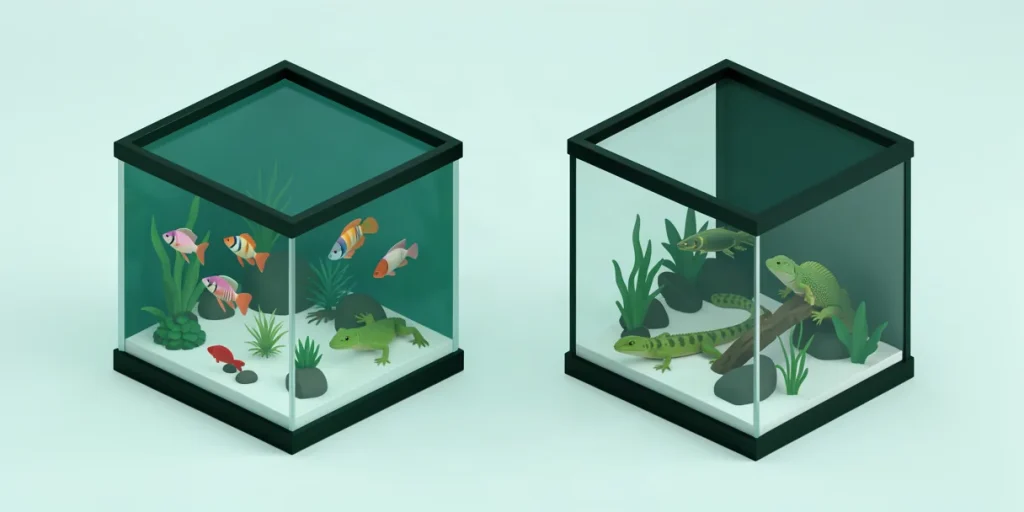
Exotic animals are becoming increasingly popular among pet lovers. However, caring for these creatures requires special attention and knowledge. Unlike familiar dogs and cats, exotic pets may have specific care needs that must be considered for their health and well-being. In this article, we will explore the key aspects of caring for exotic animals so that every owner can provide their pet with a comfortable living environment.
Understanding the basics of caring for exotic animals will help avoid common mistakes that can lead to serious health problems. We will cover key points such as proper feeding, creating a suitable habitat, and the behavioral traits of various species. Whether you have decided to become an exotic pet owner or are simply interested in the topic, our guide will serve as a useful resource in the world of exotic pets.
Understanding Natural Habitat
Understanding the natural habitat of exotic animals is a key aspect of successful care. Each exotic animal has its unique requirements based on its natural living conditions. For example, reptiles, amphibians, and some bird species require specific climate conditions, such as certain temperatures and humidity levels. Studying these parameters will help owners create a comfortable and safe environment for their pets.
Creating conditions that resemble the natural habitat involves not only maintaining the correct temperature but also providing appropriate levels of lighting and humidity. Many exotic animals require special heaters, UV lamps, and humidifiers. Pay attention to ensuring that your pet’s terrarium or enclosure contains elements that meet its natural needs: shelters, climbing spaces, and suitable substrates. This will not only allow the animal to feel comfortable but also help avoid stress and diseases related to improper conditions.
Climatic features such as temperature and humidity play an important role in the health of exotic animals. For example, some lizard species require temperatures in the range of 28-35 degrees Celsius, and humidity levels can vary from 40% to 80% depending on their natural habitat. It is important to monitor these indicators with thermometers and hygrometers to adjust conditions promptly if they do not meet the animal’s requirements. Regular checks can help prevent the development of diseases associated with an improper microclimate.
Exotic animal owners should remember that creating an appropriate habitat is not a one-time task but an ongoing process. Over time, changes may arise that require adjustments to the living conditions. Understanding your pet’s needs and being ready to accommodate them is key to its health and well-being.
Proper Feeding of Exotic Animals
Proper feeding of exotic animals is a crucial aspect of their health and well-being. Each species has its unique nutritional needs, and owners must carefully study the diet that suits their pet. Start by researching your animal’s natural diet: find out what foods it prefers in the wild. This will help you create a diet that closely resembles its natural conditions, positively impacting your pet’s health.
When feeding exotic animals, it is important to use fresh and high-quality products. The diet should be varied and balanced to meet all of the body’s needs. For example, some reptiles require not only plant-based food but also insects or even small mammals. Be sure to avoid foods with preservatives and chemical additives, as they can negatively affect your pet’s health. Use only trusted food sources and, whenever possible, fresh products to ensure maximum benefit.
Variety in the diet is another important factor. Regularly changing food sources not only improves appetite but also helps in obtaining all the necessary vitamins and minerals. This can include various fruits, vegetables, live food, or specialized pellets, depending on your exotic pet’s species.
Also, pay attention to the feeding schedule. It should be noted that some exotic animals eat more frequently, while others eat less often. Establish a clear schedule that meets your pet’s needs. This will help avoid overeating or, conversely, underfeeding, which can lead to serious health issues.
Feeding exotic animals is not just a process; it is an important part of their life that affects overall health and longevity. Pay attention to every aspect of nutrition, and your pet will respond with health and activity.
Creating Comfortable Living Conditions
Creating comfortable living conditions for exotic animals requires careful attention and thorough preparation. The first step is choosing the right terrarium or aquarium. Each group of animals has its requirements. For example, lizards and snakes need terrariums with good ventilation and the ability to maintain the necessary temperature, while fish require the correct volume of the aquarium and filtration. When choosing a setup, consider not only the size but also the animal’s natural habitat features, such as the presence of shelters and humidity levels.
The next important element is controlling the temperature and humidity in the room. It is recommended to use thermometers and hygrometers, which will help monitor changes and prevent unfavorable conditions. For example, many tropical species require high humidity, and in such cases, humidifiers or special substrates may be necessary. Regular measurement of these parameters allows you to prevent stress and diseases in your pet, creating a comfortable environment for its life.
Organizing shelters and resting places also plays a key role in keeping exotic animals. In nature, many of them seek shelter for protection from predators and to create a comfortable resting environment. Therefore, the terrarium or aquarium should include various decorative elements, such as driftwood, rocks, plants, or special hiding spots. This not only ensures the animal’s safety but also creates conditions for its natural behavior. By considering all these aspects, exotic animal owners can provide their pets with comfort and health, which will ultimately lead to a long and happy life together.
Regular Veterinary Check-ups
Regular veterinary check-ups for exotic animals are an important aspect of their care and health maintenance. Owners should remember that exotic pets have unique requirements and characteristics that may differ from those of familiar domestic animals. Scheduling regular check-ups with a veterinarian who specializes in exotic animals will not only help identify potential problems at early stages but also provide advice on the care and maintenance of the pet. It is important to choose a specialist who has experience and knowledge in exotic species to ensure quality medical care.
Vaccinations and disease prevention also play a key role in the health of exotic animals. Many of them are susceptible to specific infections that can be prevented through vaccination. Owners should discuss with their veterinarian the vaccination schedule and procedures necessary to protect their pets from common diseases. Regular preventive measures will help avoid serious problems that may arise from a lack of attention to the animal’s health.
Additionally, knowing the signs of illness in exotic animals can be a crucial factor in their health. Unfortunately, exotic pets do not always show their discomfort as clearly as familiar cats and dogs. Owners should pay attention to changes in behavior, appetite, activity levels, and the appearance of their pets. For example, if a reptile becomes less active or refuses to eat, this may signal a problem. Being aware of these signs will help owners seek veterinary assistance in a timely manner and provide necessary medical care.
Moreover, it is important to remember the creation of comfortable living conditions for exotic animals, which also affects their health. Maintaining optimal levels of humidity and temperature as well as proper lighting are all crucial for the well-being of the pet. Regular check-ups and preventive care, combined with attention to the living conditions, will help ensure a long and healthy life for your exotic friend.
Specific Care Requirements
Caring for exotic animals requires special attention and understanding of their specific needs. One of the most important aspects is the care of skin and fur, if applicable to your pet. For example, reptiles like lizards and snakes require regular bathing and humidity maintenance in their terrarium. This will help prevent skin problems such as shedding issues or infections. For mammals such as guinea pigs or rabbits, it is important to monitor the condition of their fur, regularly brushing and bathing them as needed with special products.
Proper lighting is another important aspect of caring for exotic animals. Many reptiles need ultraviolet (UV) light for the synthesis of vitamin D3, which is necessary for calcium absorption and overall health. Installing UV lamps in the terrarium will help create conditions similar to the natural environment, which is extremely important for your pet’s well-being. It is crucial to ensure that the lamps are replaced on schedule, as their effectiveness decreases over time.
Maintaining cleanliness in the terrarium or aquarium also plays a key role in caring for exotic animals. Regular cleaning will help avoid the accumulation of bacteria and parasites, which can negatively affect the pet’s health. For terrariums, it is recommended to use specialized cleaning products that will not harm the ecosystem of your pet. In aquariums, it is essential to monitor water quality, change it periodically, and clean the filters.
Thus, caring for exotic animals involves a comprehensive approach that takes into account the features of each species. It is important not only to create comfortable living conditions but also to adhere to hygiene and health rules to ensure that your pet feels happy and comfortable.
Communication and Socialization
Communication and socialization of exotic animals require a special approach and understanding of their natural behavior. Each species has its unique habits and ways of interacting with the surrounding world. It is important for owners to familiarize themselves with the characteristic traits of their pet in advance to create comfortable conditions for communication. For example, some reptiles may be more reclusive and not show much activity in interaction, while guinea pigs or parrots require more attention and interaction.
Methods of communicating with exotic animals can vary significantly depending on their species. For reptiles, such as lizards or snakes, it is important to remain calm and avoid sudden movements to prevent stress. In contrast, for birds and mammals, more active methods such as play and affection are necessary. Building a trusting relationship begins with regular and calm interactions, which help the pet get used to its owner. Gradually, new communication elements can be introduced, such as training tricks or using toys.
For successful socialization of an exotic pet, it is important to consider its needs and temperament. For example, some species require frequent interaction and stimulation, while others prefer solitude. It is also crucial to create a safe space for the animal where it can feel comfortable and secure. Pay attention to observing your pet’s behavior to better understand its mood and desires.
In conclusion, socializing exotic animals requires patience and knowledge. Owners should be prepared for the process to take time, but the results are worth it. Establishing a strong bond with the pet will not only enrich the owner’s life but also make the animal’s existence more fulfilling and happy.
Potential Problems and Solutions
Exotic animals, such as reptiles, parrots, or small mammals, require a special approach to care and attention from their owners. However, despite all efforts, pets sometimes develop health problems. The most common diseases in exotic animals include infections, parasitic infestations, and digestive disorders. These ailments can be caused by improper living conditions, inadequate nutrition, or a lack of veterinary monitoring. Therefore, it is important to familiarize yourself with the potential diseases of your pet and their symptoms to respond quickly to changes in its condition.
Disease prevention plays a key role in maintaining the health of exotic animals. Regular veterinary check-ups will help identify potential problems at early stages. Owners should ensure their pets have appropriate living conditions, such as the necessary temperature, humidity, and lighting. Additionally, it is important to select a suitable diet, taking into account the dietary specifics of each species. Remember that exotic animals may be more susceptible to stress, so creating a comfortable and calm environment at home also contributes to their well-being.
In emergencies, such as injuries or acute illnesses, owners need to act quickly and confidently. The first step should be to consult a veterinarian who specializes in exotic animals. It is important to know in advance where the nearest veterinary clinic is located and to have the contact details of the veterinarian on hand. It is also advisable to have a basic first-aid kit that may include antiseptics, bandages, and other necessary materials. If you notice unusual behavior or physical changes in your pet, do not delay visiting a specialist, as timely help can save your beloved pet’s life.
Thus, caring for the health of exotic animals requires attention, knowledge, and readiness for quick responses in various situations from their owners.
Legislative Aspects of Keeping Exotic Animals
Keeping exotic animals requires the owner to have a deep understanding of the legislative aspects related to their care. It is important to understand that each species of exotic pet has its own characteristics and requirements that are regulated by various norms and regulations. In 2026, to legally keep exotic animals in Russia, it is necessary to familiarize oneself with the Federal Law “On the Animal World,” which outlines the rights and responsibilities of owners. Additionally, some regions may have additional local laws regarding animal protection and their living conditions.
Exotic animal owners often need to obtain special documents and licenses. For example, holders of rare or potentially dangerous species may require permits from government bodies, such as the veterinary service or relevant environmental agencies. This is necessary to ensure the safety of both the animals and people, as well as to protect the environment. It is important to consult veterinary specialists and lawyers in advance to avoid legal issues.
The owner’s responsibility for keeping an exotic animal is also a key aspect. Every owner should be prepared not only for the financial costs of feeding and veterinary services but also for the moral responsibility for their pet’s health and well-being. Failure to meet the requirements for keeping exotic animals can lead to legal consequences, including fines and even the loss of the right to keep such pets. Owners must be ready to create suitable living conditions for their exotic animals, considering their needs for temperature, humidity, and lighting.
Furthermore, it is important to regularly undergo veterinary check-ups and monitor the pet’s health. This is not only a guarantee of a long and healthy life for the animal but also a requirement mandated by law. In 2026, exotic animal owners should be particularly careful to comply with all rules and regulations to avoid unpleasant situations and ensure comfortable living conditions for their pets.
Frequently Asked Questions
What exotic animals can be kept as pets?
How often should I take my exotic pet to the veterinarian?
What should I do if my pet is not eating?
How can I create suitable conditions for reptiles?
Can I keep exotic animals together with domestic pets?
Key Takeaways
- The basics of caring for exotic animals include understanding their natural habitat.
- Proper feeding and regular veterinary check-ups are key to a pet’s health.
- Creating comfortable living conditions is essential for successful care.
Sources
VetMed, webexovet.ru, VetCenter, vetgirlontherun.com, “Mospitomec”