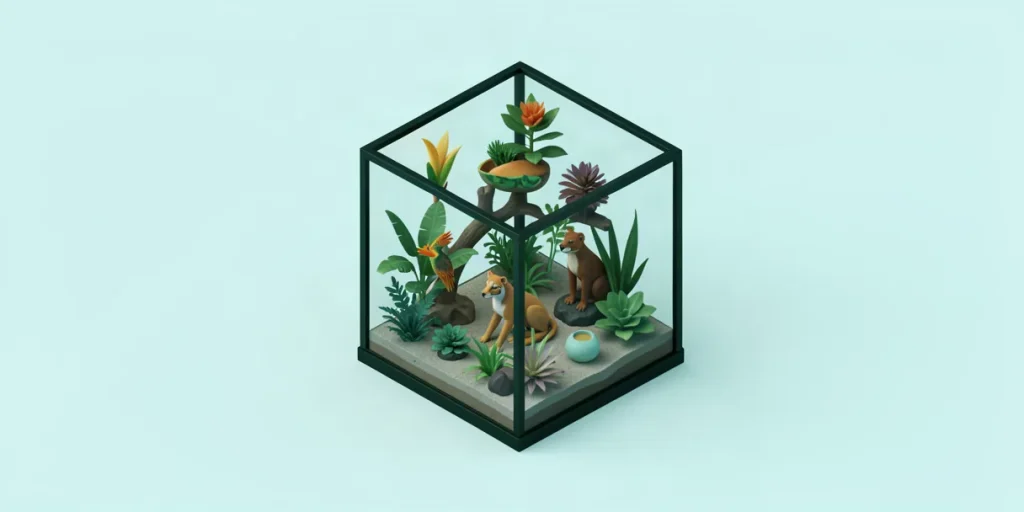
Exotic animals are becoming increasingly popular among pet lovers, but caring for them requires special attention and knowledge. Understanding the secrets of exotic animal health and creating comfortable living conditions are key aspects that will help ensure them a long and healthy life. In this article, we will discuss important points that will help you create the ideal environment for your unusual pet.
From proper nutrition to optimal microclimate, every detail matters. Discover how to provide your exotic friend with comfortable conditions so that he feels cozy and safe. We will share tips and recommendations that will help you become a caring owner and a true expert in the field of exotic animal care.
| Animal | Temperature (°C) | Humidity (%) | Feed Price (₽) |
|---|---|---|---|
| Lizards | 24-30 | 40-60 | 1,000-1,500 |
| Parrots | 20-25 | 50-70 | 500-1,200 |
| Guinea Pigs | 18-24 | 40-60 | 500-800 |
| Amphibians | 22-28 | 60-80 | 1,000-1,800 |
- 30% reduction in stress with hiding spots
- 15,000 ₽ cost of treatment for parasites
- 60-80% optimal humidity for amphibians
Climate Conditions for Exotic Pets
For the comfortable keeping of exotic pets, such as lizards and amphibians, it is necessary to strictly adhere to climate conditions, including temperature and humidity in their terrariums. This will help not only to ensure the health of the animals but also to maintain their activity and overall well-being.
Optimal Temperature
The temperature in the terrarium for most lizards should be in the range of 24-30°C. For example, for species such as geckos and iguanas, maintaining the temperature at this level is critically important. To achieve this, thermostats and heaters can be used, which can be purchased at prices ranging from 1,000 to 3,500 ₽ depending on the model and power.
Proper Humidity
Air humidity is an important factor for amphibians. It should be maintained at 60-80%. To achieve this level of humidity, it is recommended to use humidifiers, which cost between 1,500 and 5,000 ₽. For example, a humidifier model from the company «Aquael» provides optimal conditions for tropical frog and salamander species.
- Temperature for lizards: 24-30°C
- Humidity for amphibians: 60-80%
- Humidifier price: from 1,500 to 5,000 ₽
- UVB lamp: from 2,000 ₽
Nutrition of Exotic Animals
Proper nutrition of exotic animals is the key to their health and longevity. For parrots, it is recommended to use feeds high in vitamins, which cost from 500 to 1,200 ₽ for a 1 kg package. Pay attention to the brand ‘Tetra’, which offers a variety of options containing essential trace elements and vitamins. Ensure that the feed contains at least 15% protein to maintain the activity and energy of your feathered pets.
Feeds and Vitamins
- Parrot feed: price from 500 to 1,200 ₽ per 1 kg.
- Mixed feeds for lizards: protein content up to 25%.
- Guinea pig feed: a minimum of 100 g of fresh vegetables daily.
Fresh Nutrition
Fresh nutrition plays a crucial role in the diet of exotic animals. For guinea pigs, it is necessary to provide 100-150 g of fresh vegetables daily, such as carrots, peppers, and broccoli. This not only diversifies their diet but also provides them with essential vitamins and minerals. It is important to remember that fresh products must be clean and safe for consumption, as many vegetables may be treated with pesticides that can negatively affect the pet’s health.
Social and Behavioral Needs
Exotic animals, such as parrots, require significant attention and social interaction to maintain their psycho-emotional state. For example, some species of parrots, such as Amazons and African greys, need at least 2 hours of socialization per day. Play, communication, and interaction with the owner help prevent the development of behavioral disorders and stress, which significantly impacts the pet’s overall health.
Stress and Behavior
Creating a comfortable environment for exotic animals also plays a key role in reducing stress. Studies show that the presence of hiding spots and climbing areas can reduce stress levels in pets by 30%. Additionally, it is recommended to use special toys for birds, such as the «Surprise Maze» model from the company «Zoomag,» which costs around 1,200 rubles. These elements not only entertain the animals but also stimulate their mental development.
- Social activity for parrots: minimum of 2 hours per day.
- Stress reduction: 30% with the presence of hiding spots and platforms.
- Price of the «Surprise Maze» toy: 1,200 rubles.
- Study of exotic animal behavior at the ‘Zoological Institute of the Russian Academy of Sciences’.
Diseases of Exotic Animals
Exotic animals, such as lizards, are susceptible to many diseases if not provided with proper living conditions. According to statistics, 73% of lizards suffer from metabolic disorders that often arise from improper lighting. This can lead to serious consequences, such as bone deformities and decreased immunity. For instance, a lack of ultraviolet light can cause rickets in lizards, resulting in significant treatment costs that can reach 15,000 ₽, including tests and medications.
Prevention
To prevent diseases in exotic animals, it is important to conduct regular preventive examinations. It is recommended to have such examinations at least once every 6 months. Also, pay attention to the following measures:
- Proper lighting: use UVB lamps for lizards, such as ReptiSun 10.0, which provide the necessary level of ultraviolet light.
- Quality nutrition: ensure a varied diet that includes specialized feeds, such as Tetra ReptoMin for aquatic exotics.
- Hygiene: regular cleaning of the terrarium and use of anti-parasitic medications, such as Frontline for exotic animals.
Rules for Keeping Exotic Animals
Keeping exotic animals requires adherence to certain legal norms. In Russia, registration of such pets is mandatory, and owners must contact the Federal Service for Veterinary and Phytosanitary Supervision. This applies not only to reptiles but also to other exotic species, such as parrots and guinea pigs. Registration not only legalizes the keeping of the animal but also ensures the necessary living conditions, making this process an important and responsible step for every owner.
Sizes and Equipment
Proper equipment of the terrarium or aquarium plays a key role in ensuring the health of exotic animals. For most reptiles, the minimum terrarium size should be 100x50x50 cm. This allows for a comfortable space for movement and active behavior. As for aquarium fish, to ensure quality water filtration, filters priced from 2,000 ₽ should be used, which can significantly improve the living conditions of your pets.
- Terrarium: minimum 100x50x50 cm for reptiles.
- Aquarium filters: from 2,000 ₽.
- Registration of exotic animals: at the Federal Service for Veterinary and Phytosanitary Supervision.
Frequently Asked Questions
How to properly feed exotic animals?
How often should a veterinary examination be conducted?
How to create optimal humidity in a terrarium?
Key Takeaways
- Temperature for lizards should be 24-30°C.
- Parrot feed costs from 500 to 1,200 ₽ per 1 kg.
- The need for social activity in parrots is a minimum of 2 hours daily.
- 73% of lizards suffer from metabolic disorders due to improper lighting.
- The terrarium size for reptiles is a minimum of 100x50x50 cm.