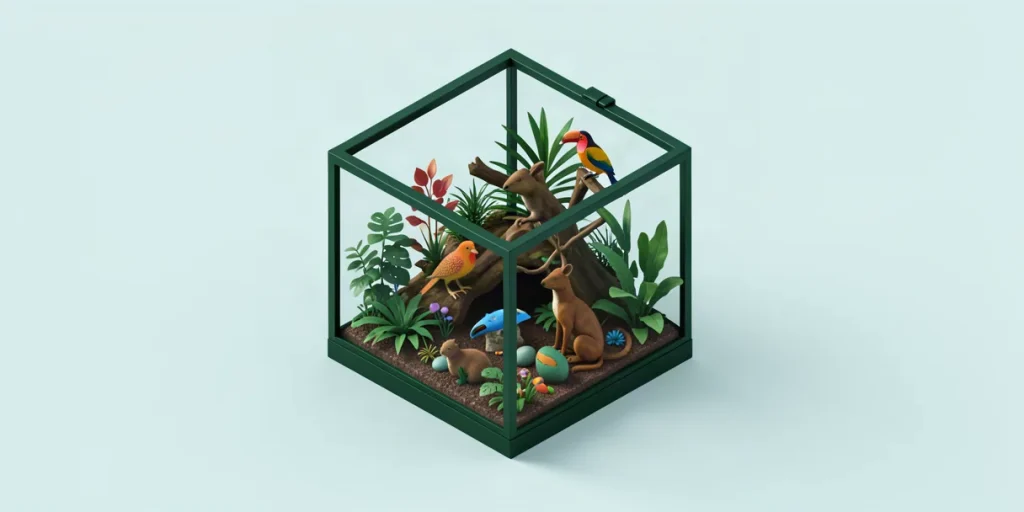
Exotic animals are becoming increasingly popular among pet lovers. However, caring for such pets requires not only knowledge but also creating a suitable habitat that promotes their health and well-being. Choosing the ideal environment for an exotic animal is an important step that can impact its life and adaptation to a new home.
In this article, we will discuss the key aspects to consider when selecting a habitat for exotic animals. From temperature and humidity to suitable materials and decor—every detail matters. Learn how to create comfortable conditions for your unusual pet and ensure its happiness and health in your home.
| Type of Terrarium | Dimensions (cm) | Price (₽) |
|---|---|---|
| Glass | 75×30 | 4,000 |
| Acrylic | 100×50 | 6,500 |
| Plastic | 60×30 | 3,000 |
- 70% Humidity level for amphibians
- 2,000 ₽ Cost of UVB lamp
- 30% Reduction in disease risk with controlled conditions
Temperature and Humidity
Creating a comfortable habitat for exotic animals requires careful monitoring of temperature and humidity. For most reptiles, such as red-eared sliders, the optimal temperature in the terrarium should be between 25-30°C. This ensures the necessary level of activity and health. For example, the Exo Terra thermometer, which can be purchased for 1,500-3,500 ₽, will help maintain the required temperature by providing accurate readings.
Measuring Conditions
No less important is the humidity level, especially for amphibians such as latex frogs, which require a minimum of 70% humidity in the terrarium. To monitor this parameter, it is advisable to use hygrometers, also from Exo Terra, priced between 1,200 and 3,000 ₽. Maintaining the correct humidity is critical for their health and well-being.
- Temperature for reptiles: 25-30°C
- Humidity for amphibians: at least 70%
- Price of Exo Terra thermometer: 1,500-3,500 ₽
- Price of Exo Terra hygrometer: 1,200-3,000 ₽
Lighting and Ultraviolet Light
When choosing lighting for exotic animals, such as lizards, it is crucial to consider their UV light needs. Lizards, including agamas, require UVB lamps with a rating of 5.0-10.0 for proper calcium metabolism and to prevent diseases related to vitamin D3 deficiency. One popular option is the Zoo Med lamp, which costs around 2,000 ₽. These lamps should be placed 30-40 cm away from the animal to ensure safety and effectiveness of the ultraviolet radiation.
Types of Lighting
- UVB lamps: Necessary for lizards, recommended range 5.0-10.0.
- Daylight: Duration should be 10-12 hours to stimulate circadian rhythms.
- Safety Standards: Distance between the lamp and the animal should be 30-40 cm to prevent burns.
- Prices for lamps: Average cost of UVB lamps is about 2,000 ₽.
Proper lighting will help create a comfortable habitat for your pet, which in turn will enhance its health and activity. Therefore, it is important to carefully select both the type of lamp and its placement in the terrarium.
Feeding and Supplements
Nutrition and Supplements
When choosing food for exotic animals, it is important to consider their specific needs. For example, for geckos, it is recommended to use specialized food from Repashy, which costs from 1,200 ₽ per package. This food contains all the necessary nutrients that contribute to the health and active development of these lizards.
Additionally, adding calcium and vitamins to their diet is essential. It is recommended to use Zoo Med calcium for reptiles, which should be added 1-2 times a week. This will help prevent diseases related to deficiencies in these vital elements in the body.
Adhering to a feeding schedule is also critically important. Adult lizards typically only need to be fed 2-3 times a week, while young individuals require daily feeding. This will help ensure optimal growth and development of your exotic pets.
- Gecko food Repashy: from 1,200 ₽ per package.
- Zoo Med Calcium: add 1-2 times a week.
- Feeding schedule: adults 2-3 times a week, young daily.
Cages and Terrariums
Choosing a Terrarium
When selecting a terrarium for exotic animals, such as red-eared sliders and lizards, it is important to consider minimum sizes and materials. For red-eared sliders, a terrarium with a minimum size of 75×30 cm is recommended, starting at 4,000 ₽. This will provide enough space for swimming and active behavior. For lizards, a terrarium of size 100×50 cm is suitable, creating a comfortable environment for movement and hiding.
- Material: acrylic or glass—these materials provide better visibility and thermal insulation.
- Price: acrylic terrariums start from 5,500 ₽, while glass options may start from 4,000 ₽.
- Volume: the minimum volume of a terrarium for lizards is 250 liters, allowing for stable microclimate maintenance.
The right choice of terrarium not only improves the living conditions for exotic pets but also helps owners observe their behavior, making the care process more engaging and enjoyable. Pay attention to the presence of ventilation holes and the possibility of installing heating to achieve optimal temperature conditions.
Safety and Health
Exotic animals require special attention to their health and safety. Regular check-ups with veterinarians specializing in reptiles are mandatory. The cost of such a visit ranges from 1,500 to 3,000 ₽, depending on the region and level of the clinic. This will help identify potential diseases at early stages and avoid serious health consequences for the pet.
Health Care
Adhering to the care standards established by veterinary services plays a key role in disease prevention. For example, installing thermometers and sensors to monitor temperature and humidity in the terrarium can reduce the risk of diseases by 30%. Maintaining optimal humidity levels between 50-70% and temperatures appropriate for the species (e.g., 25-30°C for most lizards) helps create comfortable conditions for exotics.
- Regular check-ups with a veterinarian: from 1,500 to 3,000 ₽ per visit.
- Temperature control: optimal range 25-30°C for lizards.
- Humidity: maintain between 50-70% for most exotic species.
- Using thermometers and hygrometers: reducing disease risk by 30%.
Frequently Asked Questions
How to choose the right terrarium?
What foods are best for exotic animals?
Is it necessary to test conditions in the terrarium?
Key Takeaways
- The optimal temperature for reptiles is 25-30°C.
- Lizards require UVB lighting with a rating of 5.0-10.0.
- The minimum size for terrariums for turtles is 75×30 cm.