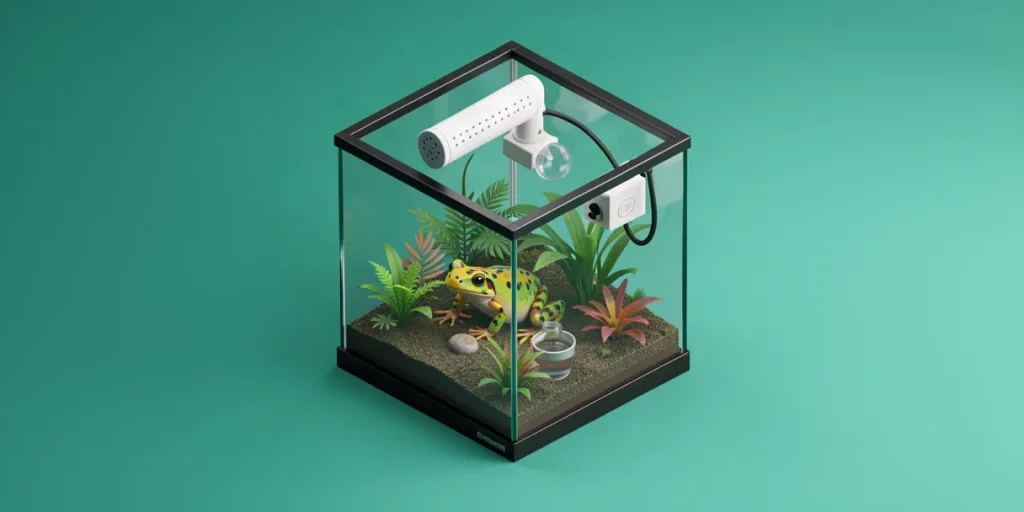
Common mistakes in caring for exotic amphibians, such as improper microclimate, unbalanced nutrition, and poor hygiene, often result in serious illnesses and shortened lifespans. Recognizing these errors allows you to provide amphibians with comfortable conditions and maintain their health for many years.
Exotic amphibians require a special approach to care since their natural needs differ significantly from those of typical pets. Improper care can cause stress, weakened immunity, and infections, making knowledge about common mistakes and their consequences especially important for owners. In this article, we will thoroughly examine the main errors in caring for exotic amphibians and explain why they are so dangerous.
Understanding the specific requirements of amphibians will help not only to avoid mistakes but also to create optimal conditions for their growth and reproduction. This is particularly relevant in 2026, as interest in exotic pets continues to grow and owners increasingly face new challenges in their care. Learning about common errors is the first step toward responsible and knowledgeable husbandry.
| Equipment | Price (₽) | Function | Recommended Service Life |
|---|---|---|---|
| Tetra Reptiland Thermoregulator | from 3500 | Maintains temperature ±0.5°C | up to 5 years |
| MistKing Humidifier | about 15,000 | Maintains humidity at 70–90% | up to 7 years |
| TFA Dostmann Hygrometer | from 1000 | Monitors humidity and temperature | up to 3 years |
| AquaEl Filter | 2500–4000 | Removes chlorine and metals from water | up to 4 years |
- 22–26°C Optimal temperature for keeping amphibians of the genus Dendrobates
- 70–90% Recommended humidity level in the terrarium
- 30 days Minimum quarantine period for new amphibians
- 0.05% Chlorhexidine solution concentration for disinfection
- 3–4 times per week Feeding frequency for adult amphibians
What Terrarium Setup Mistakes Are Most Dangerous for Exotic Amphibians?
Temperature and Humidity
For exotic amphibians of the genus Dendrobates, it is critical to maintain the environmental temperature within 22–26°C since exceeding this by just 3°C causes stress and weakens their immune system. Air humidity should be kept between 70–90%, monitored with a TFA Dostmann hygrometer costing about 1500 ₽, without which maintaining optimal conditions is difficult.
Deviations from these parameters lead to declining health, reduced activity, and skin diseases, which often cause the death of the pets. An improper microclimate also affects metabolism and stress resistance, so regularly measuring and adjusting temperature and humidity is essential for successful care.
Lighting and Substrate
Lack of UV-B lighting, such as ReptiSun 5.0 lamps (priced 1200–1500 ₽), leads to vitamin D3 deficiency and rickets in amphibians. Insufficient ultraviolet light disrupts calcium metabolism, weakening bones and the immune system.
Using unsuitable substrates, like regular soil containing pesticide residues, causes toxic poisoning and skin infections. Safe care requires specialized substrates free from chemicals that do not harm the sensitive skin of amphibians.
- Temperature: 22–26°C, exceeding by 3°C causes stress
- Humidity: 70–90%, monitored by TFA Dostmann hygrometer (~1500 ₽)
- Lighting: UV-B lamps ReptiSun 5.0, price 1200–1500 ₽
- Substrate: free from pesticides and toxins
Why Does Improper Nutrition Cause Diseases in Amphibians and How to Avoid It?
Improper nutrition in amphibians leads to diseases due to a deficiency of vital vitamins and minerals, as well as an unbalanced feeding schedule that disrupts metabolism and weakens immunity. Lack of calcium and absence of vitamin supplements increase the risk of metabolic disorders and parasitic infections.
Vitamins and Minerals
A common mistake is neglecting vitamin and mineral supplementation. To maintain amphibian health, vitamin supplements from Repashy, costing about 1200 ₽ per 100 g, are recommended. They should be given twice a week to prevent calcium and micronutrient deficiencies. Calcium deficiency is particularly dangerous: the calcium content in the diet should be at least 1% of the food weight; otherwise, metabolic diseases develop.
Quality and Feeding Frequency
Feeding only insects from the market that have not been quarantined increases the risk of parasitic infections in amphibians. For adult frogs of the genus Dendrobates, 3–4 feedings per week are recommended — overfeeding leads to obesity and metabolic issues. Following these guidelines helps maintain health and prevent disease.
- Repashy vitamin supplements — 1200 ₽ per 100 g, twice weekly;
- Calcium in diet — minimum 1% of food weight;
- Feeding frequency for Dendrobates — 3–4 times per week;
- Avoid insects without quarantine to reduce parasite risks.
How to Prevent Common Infections and Diseases in Exotic Amphibians?
Quarantine and Hygiene
Common infections in exotic amphibians can be prevented by mandatory quarantine of new pets for at least 30 days in a separate terrarium with daily health inspections. Regular disinfection of the terrarium and equipment using 0.05% chlorhexidine solution helps reduce risks of fungal and bacterial infections, which are the leading causes of mortality during the first 6 months of care.
Only use verified products for surface treatment — it is important to choose agents safe for amphibians that do not irritate their skin. For example, chlorhexidine solution from the company “Medisept” costs about 500 ₽ for 500 ml, affordable for regular use. Mixing the terrarium with other animals during quarantine is unacceptable to prevent cross-contamination.
Water Quality
A key factor in preventing skin diseases in amphibians is the use of filtered and settled water, as tap water containing chlorine and heavy metals causes burns and stress. Reverse osmosis filters, such as the “Aquaphor RO-101” model priced around 10,000 ₽, are recommended, or at minimum, water should be left to stand for 24 hours before use.
- Chlorhexidine concentration for disinfection — 0.05%
- Minimum quarantine period — 30 days
- Water settling time — at least 24 hours
- Average cost of reverse osmosis filter — 10,000 ₽
When Does Improper Care Become Irreversible and Lead to Amphibian Death?
Improper care of exotic amphibians becomes irreversible and fatal when exposed to high temperatures above 28°C for more than 10–14 days, chronic dehydration, or infections such as chlamydia or fungal diseases without timely treatment. In such cases, recovery is impossible, and mortality occurs in the overwhelming majority of cases.
Terminal Conditions
Prolonged exposure of amphibians to temperatures above 28°C causes irreversible metabolic disruptions within 10–14 days, leading to systemic organ dystrophy. Chronic dehydration at humidity below 70% damages the skin and respiratory system, with recovery taking at least two months. Untreated chlamydia or fungal infections have mortality rates up to 90%, making these infections extremely dangerous for amphibians.
Urgency of Treatment
Lack of qualified veterinary care within the first 7 days after symptoms appear drastically reduces the pet’s chances of recovery. For diagnosis and treatment, it is recommended to consult specialists using modern methods, including microscopy and specific medications. For example, a course of treatment for chlamydia may cost from 3000 ₽ to 7000 ₽ depending on the clinic and severity. Prompt attention and proper care are key factors in saving amphibians from death.
What Technical Tools and Equipment Help Properly Care for Exotic Amphibians?
Climate Control
Proper care of exotic amphibians requires precise equipment to maintain temperature and humidity, avoiding stress and disease. Tetra Reptiland thermostats provide stable temperature control with ±0.5°C accuracy, important for species needing narrow temperature ranges, with prices starting at 3500 ₽. Automated MistKing humidifiers maintain humidity between 70–90%, critical for health in humid biotopes, costing around 15,000 ₽. TFA Dostmann hygrometers and thermometers allow regular microclimate monitoring and timely adjustments, starting at 1000 ₽.
- Tetra Reptiland — ±0.5°C accuracy, from 3500 ₽;
- MistKing — humidity 70–90%, approx. 15,000 ₽;
- TFA Dostmann — humidity control, from 1000 ₽.
Water and Filtration
High-quality water is essential for amphibian health, so using AquaEl water filters helps eliminate harmful chlorine and heavy metals. These filters ensure water cleanliness and safety, reducing infection and skin disease risks, with prices ranging from 2500 to 4000 ₽. Such filtration systems are especially important for species living in aquatic environments or requiring high aquarium hygiene. Regular replacement of filter elements and water quality monitoring are mandatory to maintain optimal conditions.
Frequently Asked Questions
How often should the water in an exotic amphibian terrarium be changed?
Can regular store-bought soil be used in a terrarium with amphibians?
How to tell if an amphibian is sick and needs veterinary care?
Which vitamins are most important for amphibians in home care?
Key Takeaways
- Maintaining temperature at 22–26°C and humidity at 70–90% is crucial for amphibian health
- Regular use of vitamin supplements and quality food prevents metabolic diseases
- Quarantining new pets for 30 days reduces infection risks
- Using specialized equipment ensures a stable microclimate
- Timely veterinary care increases chances of recovery