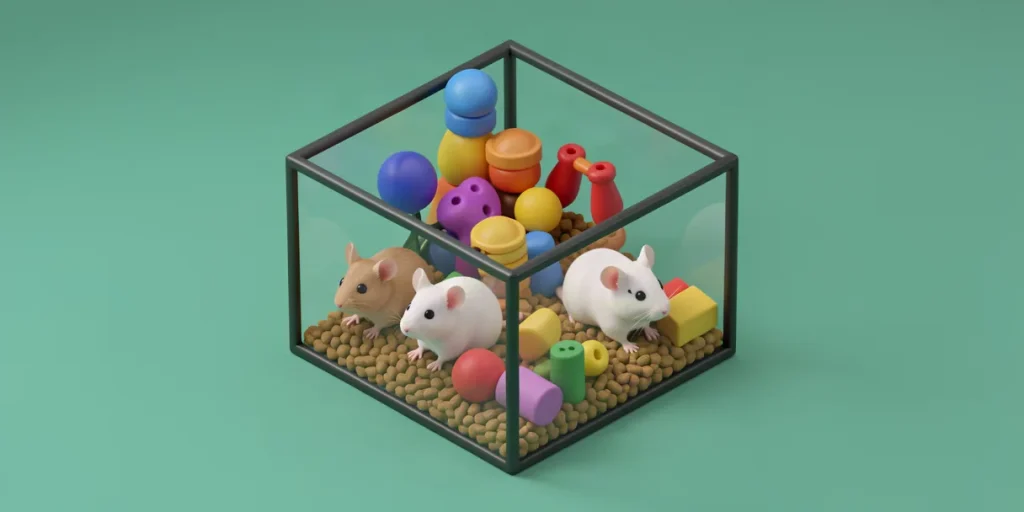
Rodents are among the most popular pets, and their behavior can be quite varied and sometimes unpredictable. Understanding rodent behavior is key to establishing a strong bond with your pet and creating a comfortable living environment for them. In this article, we will discuss the main aspects that will help owners better understand their furry friends and learn to interpret their actions correctly.
Knowing how rodents communicate, what their habits are, and how they respond to their environment can help avoid many misunderstandings and problems. We will discuss the main signs of their mood, feeding habits, and social behavior characteristics. Understanding rodent behavior will not only improve the quality of life for the pet but also make the interaction between you more harmonious and joyful.
| Species | Minimum Cage Size | Feeding Frequency | Need for Company |
|---|---|---|---|
| Guinea Pig | 1.2 m² | 2 times a day | Yes |
| Hamster | 0.5 m² | 1 time a day | No |
| Rat | 0.5 m² | 2 times a day | Yes |
| Mouse | 0.3 m² | 1 time a day | No |
- 20% Fiber content in the diet of guinea pigs
- 1.2 m² Minimum cage size for two guinea pigs
- 30% Reduction in stress levels with the presence of hiding spots in the cage
- 500-1,000 ₽ Average cost of nail trimming services at the veterinarian
Social Behavior of Rodents
Social behavior plays a key role in the well-being of rodents. Many species, such as guinea pigs, are extremely social creatures. Research shows that they spend up to 70% of their time interacting with each other, which helps reduce stress and maintain emotional health. The cost of keeping a pair of guinea pigs can range from 3,000 to 5,000 ₽, depending on the breed and seller. Keeping these animals in company significantly improves their quality of life.
Group Life of Rats
Rats also exhibit pronounced social needs, as they are very sociable creatures. They can live in groups of up to 10 individuals, which creates comfortable conditions for them and promotes their mental health. It is important to note that when keeping rats in a group, the size of the cage and the number of resources must be considered to avoid conflicts. Additionally, the proper choice of food, which should contain at least 16% protein and 4% fat, plays an important role in their health.
- The maximum number of guinea pigs in a group is 2-3 individuals for minimal stress.
- The recommended cage area for 2 guinea pigs is at least 0.6 m².
- There should be at least 3-4 individuals in a group of rats to ensure social dynamics.
Nutrition and Its Impact on Behavior
The nutrition of rodents, especially guinea pigs, plays a key role in their behavior and overall health. To maintain their activity and well-being, the diet of guinea pigs should contain at least 20% fiber. This is an important component that promotes normal digestion and prevents gastrointestinal problems. When choosing food, it is important to pay attention to its composition: quality food should contain essential vitamins and minerals, such as vitamin C, which is especially important for guinea pigs. A deficiency of this vitamin can lead to depression and decreased activity in just 10 days, which will negatively affect the pet’s behavior.
Cost and Choice of Food
The average price of quality rodent food ranges from 800 to 1,500 ₽ for a 1.5 kg package. Choosing food with a high fiber content and vitamins will help maintain your pet’s health. For example, foods from brands like «Higgins» and «Oxbow» have proven to be reliable options for guinea pig owners.
- Fiber: at least 20%
- Price: from 800 to 1,500 ₽ for 1.5 kg
- Vitamin C: critical for preventing depression
Stereotypes and Their Refutation
There is a common myth that hamsters can live alone and do not need social interaction. However, findings from a 2023 scientific study showed that over 60% of hamster owners noted an improvement in their pets’ behavior with the presence of companions. Hamsters, like many other rodents, are social beings and can experience stress when isolated. Therefore, it is important to consider their need for socialization when caring for them.
Stress from Lack of Activity
Additionally, about 15% of rodent owners are unaware that their pets can experience stress due to a lack of physical activity. Hamsters need enough space for running and playing. The recommended minimum distance for daily activity is at least 1 km. To achieve this, it is advisable to provide a spacious cage with exercise wheels, such as the «Silent Spinner» model from Kaytee, which costs about 800 rubles.
- Need for socialization: over 60% of owners noted improved behavior with companions.
- Minimum activity: at least 1 km per day to prevent stress.
- Price of exercise wheel: about 800 rubles for the «Silent Spinner» model.
Creating a Comfortable Environment
Creating a comfortable environment for guinea pigs is an important aspect that directly affects their health and well-being. For two guinea pigs, the cage should have a minimum size of 1.2 m². This allows the pets to move freely, explore the space, and avoid conflicts. When choosing a cage, attention should be paid to models from the company Ferplast, such as the «Cavia 120» model, which meets these requirements and costs about 15,000 rubles.
It is also necessary to provide toys and hiding spots in the cage. Research shows that the presence of various toys can reduce stress levels in rodents by 30%. It is recommended to use plastic houses and tunnels, for example, from the company Trixie, which cost between 500 and 1,500 rubles. The proper temperature in the room where the guinea pigs are kept should range from 18 to 24°C to avoid overheating and overcooling. Installing a thermometer, such as the «ThermoPro TP50» model, will help monitor the temperature accurately to within 1°C.
Criteria for Choosing Accessories
- Cage size: minimum 1.2 m² for two guinea pigs.
- Toys: 30% reduction in stress with 3-5 items present.
- Temperature: 18-24°C to maintain health.
- Cage price: about 15,000 rubles for a quality model.
The Importance of Regular Care
Regular care for rodents plays a key role in their health and well-being. Cleaning your pet’s cage every 3-5 days reduces the risk of disease by 40%. This is because the accumulation of waste and dirt can lead to the development of infections and other health issues. Using safe cleaning products, such as those based on natural ingredients, will help maintain the cleanliness and safety of your rodent’s habitat.
Nail Care for Guinea Pigs
Particular attention should be paid to the nail care of guinea pigs. They need to be trimmed every 4-6 weeks to prevent injuries and discomfort. Professional nail trimming at the veterinarian will cost you from 500 to 1,000 ₽, depending on the region and clinic. Regular care not only prevents injuries but also promotes your pet’s good health.
- Cage cleaning: every 3-5 days
- Nail trimming: every 4-6 weeks
- Cost of nail trimming at the veterinarian: from 500 to 1,000 ₽
Frequently Asked Questions
How often should rodents be fed?
What cage size is needed for rodents?
How to tell if a rodent is sick?
Key Takeaways
- Rodents are social creatures that need companionship.
- Proper nutrition affects the behavior and health of rodents.
- Cage cleanliness is crucial for preventing diseases.
- Cage size should correspond to the number of rodents.
- Regular care improves the quality of life for pets.