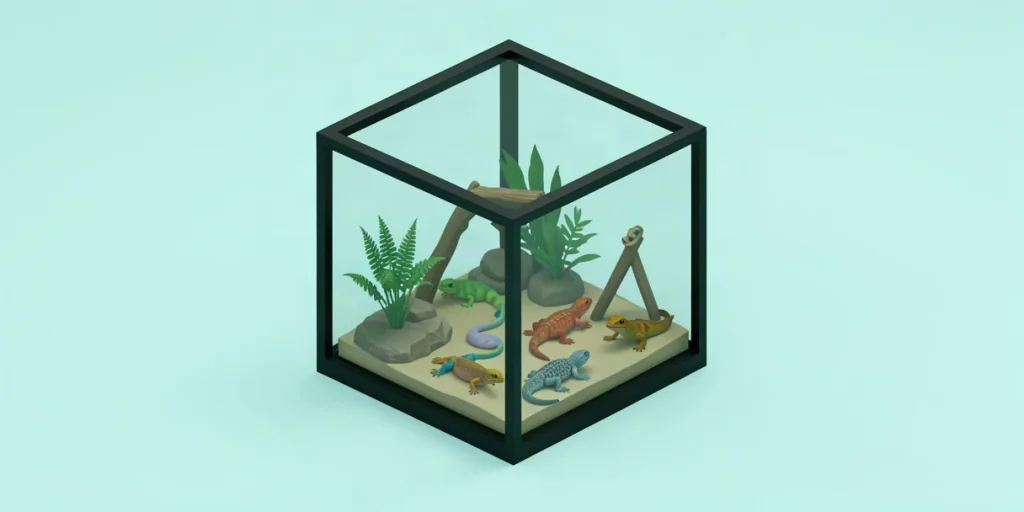
Reptiles are becoming increasingly popular as pets, attracting attention with their exotic appearances and unique behaviors. However, caring for reptiles requires specific knowledge and skills, as these animals have their own characteristics that differ from those of typical dogs and cats. In our practical guide, we will discuss the key aspects of reptile care so you can create a comfortable living environment for your pet.
Proper care involves not only providing the right climate and diet but also paying attention to your reptile’s health and behavior. We will discuss how to create ideal conditions in the terrarium, which foods to choose, and how to recognize signs of illness. By following our recommendations, you can become a true expert in reptile care and give your pet a long and happy life.
| Name | Type | Price (₽) | Volume |
|---|---|---|---|
| T-Rex | Dry food | 800 | 1.5 kg |
| Repashy | Gel food | 1,200 | 500 g |
| Fluker's | Insects | 1,000 | 1 kg |
- 150 l Minimum terrarium size for a turtle
- 60-80% Required humidity for tropical lizards
- 1,500 ₽ Cost of vaccination for reptiles
Temperature Regulation
The correct temperature regime is a key factor for the health of reptiles. Different species require different temperature conditions, so it’s essential to provide optimal conditions for each pet. For lizards, for example, a heating zone temperature of 30 to 35°C is necessary. This is achieved with specialized heaters.
Optimal Temperatures
The night temperature for snakes should be between 22-25°C. This allows reptiles to rest and recover in a calm environment. Maintaining these temperatures is crucial for the normal metabolism and overall health of your pets.
Equipment
- Zoo Med 10W Heating Pad — costs around 1,200 ₽. Effectively heats the area where the lizard resides.
- Digital Thermometer — price ranges from 500 to 1,000 ₽. Allows precise temperature monitoring in the terrarium.
- Exo Terra Reptile Lamp — costs around 2,000 ₽. Provides necessary levels of UVA/UVB radiation and helps maintain the required temperature.
Humidity and Climate
Humidity Levels
To successfully keep tropical lizards, it’s necessary to maintain a humidity level of 60-80%. This value is critical for their health, as a lack of moisture can lead to skin and respiratory issues. For instance, if humidity drops below 60%, it can cause stress in the animal, while levels above 80% may trigger fungal infections. Therefore, it’s important to monitor these parameters in the terrarium.
Control Tools
For accurate humidity measurement in the terrarium, it’s recommended to use a hygrometer. The Exo Terra model, for example, is available at a price range of 1,500 to 3,000 ₽ and allows precise monitoring of conditions in your pet enclosure. To maintain the necessary humidity level, you can use the MistKing humidifier, which costs between 7,000 and 10,000 ₽. This device effectively mists water, providing stable air moisture.
- Humidity level: 60-80%
- Exo Terra Hygrometer: 1,500 — 3,000 ₽
- MistKing Humidifier: 7,000 — 10,000 ₽
Nutrition and Diet
Proper nutrition plays a key role in the health of reptiles, especially iguanas. Adult iguanas need to be provided with a balanced diet consisting of 75% plant-based food and 25% protein. This helps maintain their health and activity. The plant portion of the diet can include fresh vegetables (spinach, cabbage, carrots) and fruits (mango, papaya). The protein portion may include insects or specialized reptile feeds.
Feed Products
There are many commercial feeds for reptiles on the market, one of the popular ones is T-Rex feed, which costs around 800 ₽ for 1.5 kg. This product is designed with the needs of different reptile species in mind and can be a good addition to the iguana’s diet. It’s important to remember that adult individuals should be fed every 2-3 days to avoid digestive issues and obesity.
- Plant-based food: 75% of the diet for adult iguanas.
- Protein food: 25% of the diet, including insects.
- T-Rex feed: costs 800 ₽ for 1.5 kg.
- Feeding frequency: every 2-3 days for adults.
Terrarium and Setup
For keeping a Brazilian turtle, the minimum terrarium size should be at least 150 liters. This will provide comfortable conditions for the animal, allowing it to swim and move freely. Ideally, the terrarium volume should be even larger if you plan to keep several turtles or want to create a more natural habitat. For instance, a terrarium with a volume of 200-300 liters would be ideal for a pair of Brazilian turtles.
Setup Elements
When setting up the terrarium, several key elements should be considered. First of all, the bedding. Coconut fiber is an excellent choice, costing between 300 and 500 ₽ per package. This eco-friendly material retains moisture well and creates comfortable conditions for the turtle. It’s also advisable to provide hides, driftwood, and plants to create a natural environment. Hides can be made of ceramic or wood, and driftwood helps keep the turtle active.
- Terrarium size: minimum 150 liters
- Bedding: coconut fiber 300-500 ₽
- Hides: ceramic or wooden
- Driftwood: natural, at least 30 cm long
- Plants: aquarium plants, non-toxic to turtles
Health and Prevention
Preventive Measures
Proper care for reptiles begins with preventive measures that help maintain the pet’s health. One of the most important components is regular observation of your animal’s behavior. If your reptile begins to show signs of loss of appetite or reduced activity, this may indicate underlying health problems. Note that a normal appetite for most reptiles ranges from 70% to 100% of their usual diet.
Additionally, it’s important to provide reptiles with appropriate living conditions, including proper lighting, temperature, and humidity levels. For example, for many species of lizards, the optimal temperature in the terrarium should be between 26-32°C.
Veterinary Services
Regular visits to the veterinarian play a crucial role in maintaining the health of reptiles. It is recommended to conduct such check-ups at least once a year. Veterinarians specializing in reptiles can offer vaccines against calicivirus and chlamydia, which cost around 1,500 ₽.
When choosing a veterinary clinic, consider the following criteria:
- Specialization: presence of veterinarians experienced with reptiles.
- Certification: checking the clinic’s and its staff’s license.
- Reviews: studying reviews from other reptile owners about the quality of services.
Take care of your pet and pay attention to its health to prevent serious diseases.
Frequently Asked Questions
How to choose a terrarium for reptiles?
How often should I clean the terrarium?
What to do if the reptile won’t eat?
Key Takeaways
- The temperature for lizards is 30-35°C in the heating zone.
- Humidity for tropical species is 60-80%.
- The main diet consists of 75% plant-based food for iguanas.