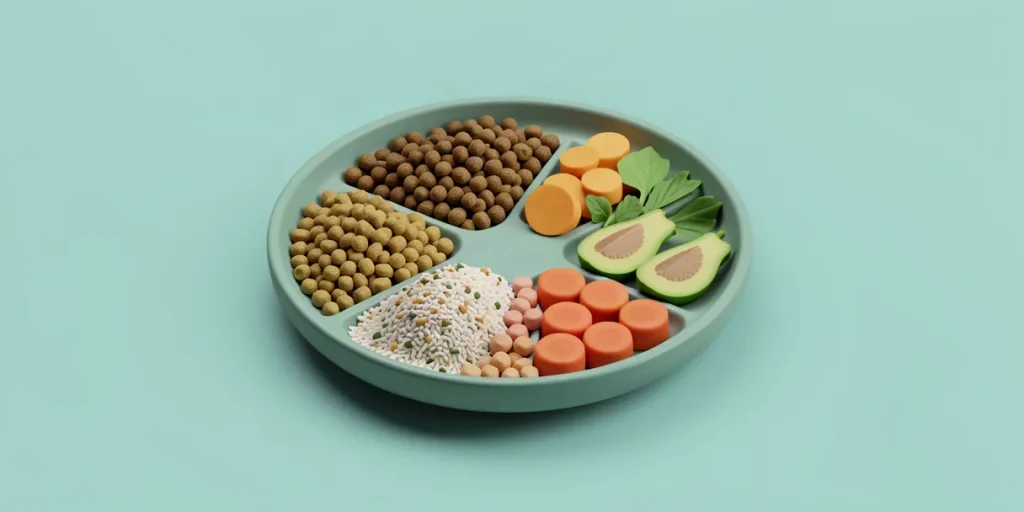
Choosing between kibble, mixes, and natural products for feeding pets depends on the individual needs of the animal, the owner’s convenience, and the quality of ingredients. Each type of food has its own advantages and disadvantages that affect the pet’s health and behavior.
In today’s world, pet owners face a vast range of food options, which can sometimes make decision-making difficult. Comparing pet foods — kibble, mixes, and natural products — helps understand the features of each option and make an informed choice, considering the pet’s health status, age, and taste preferences.
In this article, we will thoroughly examine the key characteristics of each type of food, their impact on pets’ bodies, as well as practical recommendations for care and nutrition. This analysis will help select the optimal diet to provide complete nutrition and support your pet’s activity.
| Criterion | Kibble | Mixes | Natural Products |
|---|---|---|---|
| Digestibility | about 80% | 75–85% | 90–95% |
| Average price per 1 kg | from 850 ₽ | about 1066 ₽ | from 400 ₽ (per day) |
| Shelf life | up to 12 months | 6–9 months | up to 3 days refrigerated |
| Allergy risk | 10–15% | lower but possible | minimal when properly prepared |
| Moisture level | about 10% | 15–30% | 70–80% |
- 80% digestibility of dry food
- 10–15% incidence of food allergy from dry food
- 12 months shelf life of dry food
- 90–95% digestibility of natural diet
- 400–600 ₽/day cost of natural diet for a cat
How Does Kibble Affect Pets’ Health and Digestibility?
Digestibility and Composition
Kibble in dry food provides nutrient digestibility around 80%, as confirmed by studies from veterinary clinics in Moscow (2024). For example, Royal Canin Medium Adult, priced at 1700–2200 ₽ for 2 kg, contains a balanced complex of vitamins and minerals that help maintain pets’ health and activity. The granulation technology preserves key nutrients and improves their availability for digestion, but controlling raw material quality and processing temperature is critically important.
Risks and Safety
High levels of preservatives and artificial additives in kibble often cause food allergies in 10–15% of dogs, requiring careful food selection and monitoring of the animal’s condition. The shelf life of dry food usually does not exceed 12 months when stored properly—in a cool, dry place with airtight packaging. Improper storage can reduce nutritional value and increase microbial contamination risk, negatively affecting pet health.
- Digestibility of dry kibble — about 80%
- Price of Royal Canin Medium Adult — 1700–2200 ₽ for 2 kg
- Allergies in 10–15% of dogs due to preservatives and additives
- Optimal shelf life — up to 12 months
How Do Pet Food Mixes Differ in Quality and Price from Kibble?
Composition and Digestibility
Pet food mixes differ from kibble by including components of varied textures, such as kibble pieces, chunks, dried vegetables, and meat, which can influence digestibility and dietary variety. For example, Brit Care Grain Free contains such a complex, with digestibility ranging from 75% to 85% depending on the composition. Unlike uniform kibble, mixes often contain fewer artificial preservatives, reducing the risk of food intolerance in pets and promoting a more natural diet.
Price Range and Safety
The average price of mixes varies; for example, Brit Care Grain Free costs about 1600 ₽ for 1.5 kg, making them competitively priced against premium kibbles. Furthermore, mixes’ more diverse composition can enhance nutrient absorption and lower allergy risks. Key factors when choosing between mixes and kibble include:
- Digestibility — 75–85% for mixes;
- Price — from 1000 to 2000 ₽ per 1.5 kg;
- Preservative content — less in mixes;
- Texture — variety in mixes versus uniform kibble.
Thus, mixes represent a more complex and often safer feeding option compared to traditional kibble.
What Are the Advantages and Disadvantages of Natural Products in Pet Nutrition?
Digestibility and Benefits
Natural products in pet diets provide high digestibility—90 to 95% when properly prepared. Such a diet includes fresh meat, vegetables, and grains, closely resembling the animals’ natural food. In Moscow, the cost of a daily natural diet for cats in 2026 is about 400–600 ₽, significantly higher than the average price of commercial foods. Choosing quality ingredients and following proper preparation techniques is important to maintain a balanced supply of vitamins and trace elements.
Risks and Regulations
Using natural products carries risks of bacterial contamination and vitamin deficiencies if storage and preparation are improper. For example, prolonged storage of fresh meat without temperature control can lead to pathogen growth. In Russia, product safety and quality for animal foods are regulated by standard GOST R 55514-2013, which sets requirements for raw materials and processing to prevent such risks. Pet owners must strictly follow storage rules and prepare natural food according to these standards.
- Digestibility of natural food: 90–95% with proper preparation
- Cost of cat diet in Moscow: 400–600 ₽ per day (2026)
- Risk of bacterial contamination if temperature storage rules are violated
- GOST R 55514-2013 regulates safety and quality of pet foods
When Is Feeding Only Kibble or Only Natural Products Not Suitable for a Pet?
Age and Physiological Features
Feeding exclusively kibble or only natural products is unsuitable for puppies and kittens due to their increased energy and micronutrient needs, which are difficult to meet with one type of food alone. For example, a 10 kg Labrador puppy requires about 850 kcal daily, and balancing this solely with natural food without risking vitamin and mineral deficiencies is challenging.
Combined feeding, including dry kibble and natural products, helps cover needs for calcium, phosphorus, taurine, and B vitamins. According to the Veterinary Medical Association’s 2026 recommendations, combining commercial foods with natural products for puppies and kittens is optimal to avoid hypo- or hypervitaminosis and ensure proper growth.
Health Issues
For chronic kidney diseases, allergies, or urinary stone disease, the diet should be adjusted by a veterinarian, often requiring mixed feeding. Dry kibble contains less than 10% moisture, while pets with urinary problems require drinking regimes with moisture intake not less than 50 ml per kilogram of body weight per day.
Natural products require careful monitoring of micronutrients and vitamins balance, which is difficult without regular blood tests and consultations. For example, in cases of allergies to chicken or beef, specialized hypoallergenic foods with clear composition should be used, costing from 1200 ₽ per kilogram in 2026.
- Energy requirement of puppies — about 850 kcal per day;
- Moisture in dry foods — less than 10%, optimal moisture for sick pets — at least 50 ml water per kg body weight;
- Cost of hypoallergenic foods — from 1200 ₽ per kg;
- Veterinary Medical Association 2026 recommendations on combined feeding for puppies and kittens;
- Need for regular micronutrient monitoring with natural diets.
How Much Does It Cost to Keep a Pet on Different Types of Food Annually?
Financial Comparison
Annual pet care costs vary greatly depending on the chosen food type: dry food for a medium-sized dog costs about 18,000 ₽, mixes are intermediate at around 15,000 ₽, and a natural diet for an average-weight cat may cost about 180,000 ₽ per year.
For example, choosing premium dry food like Royal Canin, owners spend about 1,500 ₽ monthly, totaling 18,000 ₽ per year. Mixes, such as combined grain and meat-based products from the company “Bars,” cost less—about 1,250 ₽ monthly. Natural diets require purchasing fresh ingredients including meat, vegetables, and supplements, resulting in significantly higher expenses—up to 15,000 ₽ per month.
Additional Expenses
Incorrect food choice can add veterinary costs, potentially increasing total expenses by up to 25%. This is linked to the risk of food allergies, vitamin deficiencies, and other health problems.
- Additional veterinary visits — from 3,000 to 10,000 ₽ per year;
- Medications and vitamin complexes — 2,000–5,000 ₽;
- Services of animal dietitians or nutritionists — from 4,000 ₽ per consultation.
These costs are especially relevant when feeding natural products, where unbalanced nutrition can cause deficiencies and illnesses requiring treatment. Thus, saving on food may lead to significant extra expenses for the pet’s health.
Frequently Asked Questions
What is better to choose for a puppy: kibble or natural products?
Can a cat be fed only natural food without vitamins?
How to tell if a pet has an allergy to dry food?
How important is moisture content in food for pets with kidney disease?
Key Takeaways
- Kibble offers convenience but may cause allergies in 10–15% of pets.
- Mixes balance digestibility and safety with prices starting at 1600 ₽ for 1.5 kg.
- Natural products provide better digestibility (up to 95%) but require careful control and cost up to 600 ₽ per day.
- Combined feeding suits puppies and animals with chronic illnesses.
- Annual food costs vary widely: from 15,000 ₽ for mixes to 180,000 ₽ for natural diets.