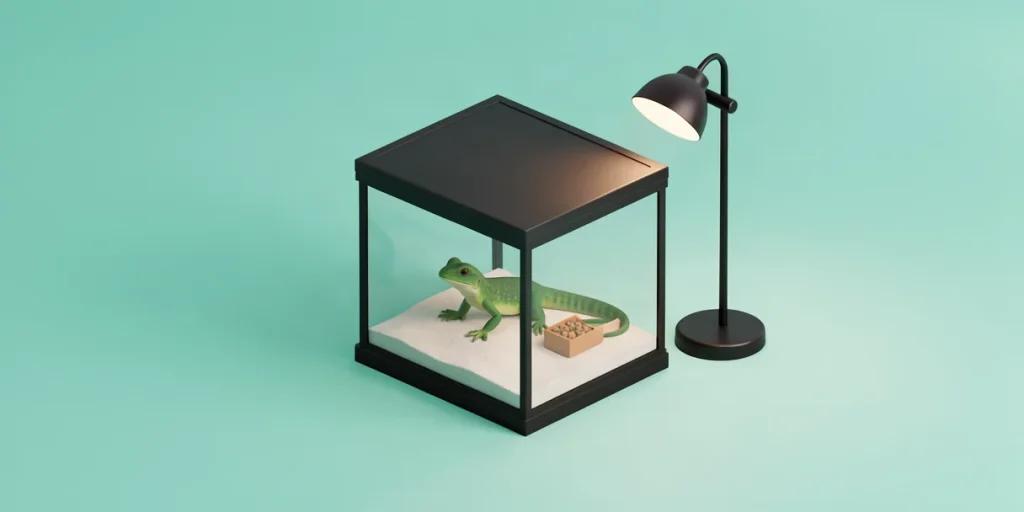
Reptile care involves maintaining the right temperature, providing balanced nutrition, and regularly monitoring health, which are crucial for a long and fulfilling life of your pet. Without these conditions, reptiles are prone to stress, illness, and shortened lifespan.
Reptiles are a unique group of pets requiring a specific approach to care. Their physiology and behavior differ significantly from typical mammals, so understanding the nuances of housing, feeding, and disease prevention is essential. In this article, we will thoroughly explore key aspects of reptile health and nutrition to help owners provide optimal conditions for their pets.
If you want to dive deeper into the world of these fascinating creatures, we recommend checking out our comprehensive review «A Complete Overview of the Animal World Through the Prism of Reptiles: Features, Care, and Important Aspects,» which covers basic knowledge and husbandry advice. Here, you will find practical recommendations to extend your pet’s life and improve its quality of living.
| Food Type | Protein Content | Price per 100 g (₽) | Example Products |
|---|---|---|---|
| Live Food | 50–60 % | from 200 ₽ | mice, crickets, cockroaches |
| Dry Food | 25–35 % | 150–300 ₽ | Rep-Cal, Zoo Med |
| Vegetables and Fruits | 2–5 % | seasonal | cabbage, carrot, apple |
| Vitamin Supplements | concentrate | from 300 ₽ | Rep-Cal Calcium, Zoo Med ReptiVite |
- 6 months recommended replacement period for UVB lamps
- 50–70 % optimal humidity level for most reptiles
- 2–5 % approximate daily food volume as a percentage of body weight
- 30 days quarantine period for new reptiles
How to Ensure Optimal Temperature and Humidity Conditions for Reptiles?
Temperature
The optimal temperature range for reptiles includes a gradient from 25 to 35 °C, with a basking spot up to 40 °C, for example for iguanas. This range helps maintain activity levels and proper metabolism. Infrared lamps or special heating mats are used to create a heat zone, allowing precise temperature control.
It is recommended to use UVB 5.0 ultraviolet lamps from Zoo Med, which promote vitamin D3 synthesis and support bone health. Their replacement interval is about 6 months, which is important to maintain effective UV radiation.
Humidity
For most tropical and subtropical reptiles, air humidity should be kept between 50 and 70%. This supports normal breathing and prevents skin problems. Automatic humidifiers, such as the Exo Terra Mist Maker costing around 3000 ₽, are recommended for even terrarium humidity.
- 50–70 % humidity is the optimal range for most species.
- Exo Terra Mist Maker — automatic humidifier priced about 3000 ₽.
- Maintaining a 12–14 hour daily lighting schedule supports natural biorhythms.
What Dietary Features Affect Reptile Health?
Reptile diet directly impacts their health, especially the balance of proteins, vitamins, and minerals. Carnivorous species require 30–40 % protein in their diet with mandatory use of live food, while herbivores need high fiber content and supplements of calcium and vitamin D3. Daily food volume varies from 2 to 5 % of body weight depending on species and age.
Proteins and Live Food
Carnivorous reptiles like pythons and monitors rely heavily on protein, which makes up about 30–40 % of their total food mass. Live food, such as mice and insects, provides necessary animal protein and stimulates natural behavior. Daily feeding volume for these species usually ranges from 2 to 3 % of body weight, supporting optimal metabolism and health.
Vitamins and Minerals
- Vitamin D3 and calcium are added to food mixes to prevent metabolic diseases. For example, Rep-Cal Calcium powder is used at 0.5 g per 100 g of feed.
- For herbivorous reptiles, such as turtles, including vegetables high in fiber—up to 25 % of daily intake—is important for proper digestion.
- Daily doses of calcium and vitamin D3 should be adapted to species, age, and husbandry conditions to avoid deficiencies or excesses.
How Often and How Should Veterinary Exams and Disease Prevention Be Conducted?
Regular Checkups
It is recommended to have veterinary exams for reptiles at least once a year to detect health issues early and prevent disease development. Exotic animal specialists, such as veterinarians from clinics «ExoVet» or «Reptilia-Med,» perform comprehensive examinations and prescribe necessary tests starting at 2500 ₽ per visit. Special attention is given to respiratory and skin symptoms, as vaccination is not yet widely used in reptile care.
Parasites and Treatment
- Checking for skin mites and other parasites is mandatory, performed via microscopy and specialized diagnostic tests.
- Parasite treatment and prevention use ivermectin-based drugs, such as «Ivermectin Vet,» dosed strictly according to manufacturer instructions.
- Newly acquired reptiles should be quarantined for at least 30 days to prevent infection spread within the collection.
What Common Care Mistakes Lead to Poor Reptile Health?
Temperature and Diseases
Incorrect temperature is a primary cause of metabolic bone disease (MBD) in iguanas and turtles because low temperatures slow calcium and vitamin D3 metabolism. For iguanas, the optimal temperature gradient should be 28–35 °C with a basking spot around 38 °C; for red-eared sliders, 26–32 °C with local heating up to 34 °C. Temperatures below these levels significantly increase MBD risk, as confirmed by veterinary observations.
Using temperature sensors and regulators from Zoo Med or Exo Terra costs about 1500 to 3000 ₽ and is justified by preventing serious diseases and costly treatments.
Nutrition and Toxins
Vitamin D3 overdose causes hypercalcemia, dangerous to reptile kidneys and heart, often due to improper supplement use. Recommended D3 doses for most species should not exceed 1000 IU per week. Insufficient UVB exposure leads to poor calcium absorption and weakened immunity.
- Using UVB lamps with indices 5.0–10.0 from Arcadia or Zoo Med provides necessary radiation, costing from 1200 ₽ for 26 cm length.
- Unsuitable substrates, like wood shavings for snakes, can cause stomach blockages; better options are paper towels or specialized mats starting at 500 ₽.
What Accessories and Equipment Are Needed for Full Reptile Care?
Housing
A terrarium of at least 60 liters is required for proper reptile care, such as models from Exo Terra, priced from 7000 ₽, suitable for medium-sized species. Proper housing provides comfortable space and allows creating the necessary microclimate, which is vital for reptile health.
Specialized feeders and waterers, like the Hydor Theo automatic systems costing 4500 ₽, help maintain hygiene and feeding convenience, reducing infection risks and easing care. These accessories are especially important when housing multiple reptiles or in high-humidity environments.
Climate Control
Digital thermometers and hygrometers are essential for monitoring terrarium microclimate continuously and maintaining optimal conditions. Automatic humidification and temperature regulation systems, such as Hydor Theo, ensure stable conditions without constant owner intervention.
- Temperature ranges vary by species but generally stay between 24–32 °C.
- Humidity levels should match natural habitats, often between 50–80%.
When Does Proper Care and Nutrition Fail to Ensure Reptile Health?
Genetics
Proper care and diet cannot always guarantee reptile health if genetic disorders are present, such as congenital vitamin deficiencies or developmental anomalies. For example, some turtle species suffer from congenital vitamin D3 deficiency leading to disturbed calcium metabolism and metabolic osteodystrophy despite correct husbandry. Genetic defects sometimes require specialized veterinary support and medications costing between 3000 and 8000 ₽ per treatment course.
Stress
High stress levels in reptiles caused by loud noises, frequent relocations, or unsuitable housing conditions significantly reduce immunity and nutrient absorption, negatively affecting health. For instance, noise above 70 decibels and moving the enclosure more than twice a month can lead to appetite loss and illness. In such cases, a quiet, stable environment and adaptogens, such as echinacea-based products costing about 1200 ₽ per month, are necessary.
- Genetics: congenital vitamin D3 deficiency, skeletal development anomalies
- Stress: noise over 70 dB, frequent moves more than twice monthly
- Treatment: specialized drugs from 3000 to 8000 ₽, adaptogens from 1200 ₽
Frequently Asked Questions
How often should UV lamps for reptiles be replaced?
Can a reptile be fed solely on live food?
How to tell if a reptile has nutritional problems?
What are common mistakes beginners make in reptile care?
Key Takeaways
- Maintain temperature between 25–35 °C with UVB lamps replaced every 6 months
- Diet should include 30–40 % protein and supplements of calcium and vitamin D3
- Veterinary checkups at least once a year for prevention
- Avoid wood shavings as substrate for snakes
- Stress and unsuitable species choice harm pet health