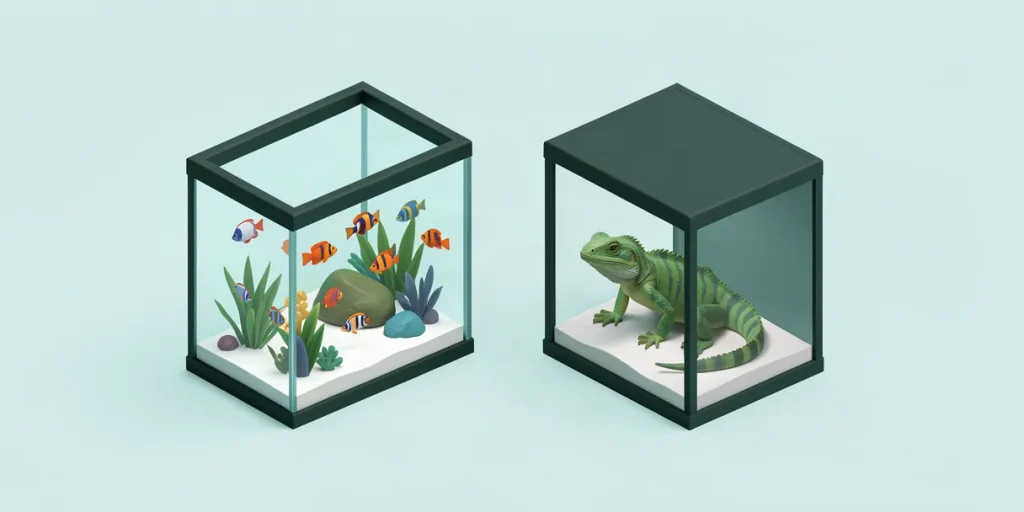
Proper care for exotic pets requires understanding their specific biological and behavioral traits, creating suitable living conditions, balanced nutrition, and regular health monitoring. Only a comprehensive approach ensures comfort and a long life for these unusual pets.
Caring for exotic pets is quite different from caring for common dogs or cats. These animals often need a special environment—temperature control, lighting, humidity—as well as a specialized diet that meets their unique needs. Improper care can lead to stress, illness, and reduced lifespan. Therefore, understanding «how to properly care for animals» in the case of exotics is not just general advice but precise knowledge about each specific breed or species.
For those who want to delve deeper into the basics of animal care and understanding, we recommend checking out our full review «Complete Guide to Animal Care and Understanding: Key Aspects for Owners.» In this article, we will detail the key rules and tips for keeping exotic pets to help owners ensure their unusual companions remain healthy and comfortable. More on this can be found in our analysis «How to Properly Care for Animals: Tips for Exotic Pets.»
| Equipment | Price (₽) | Main Function | Recommended Lifespan |
|---|---|---|---|
| Exo Terra Heating Mat | 2200 | Creating a temperature gradient | up to 5 years |
| AquaEl Fan 2 Plus Filter | 3500 | Filtering aquariums up to 60 L | about 2 years |
| Arcadia D3+ 14% UVB Lamp | 5000 | Providing UVB lighting | 6 months |
| F10SC Disinfectant | 1500 | Terrarium disinfection | up to 1 year in closed container |
- 3-5 insects per day daily feeding amount for chameleons
- 60-80% optimal air humidity for iguanas
- 6 months lifespan of Arcadia D3+ 14% UVB lamp
How to Ensure Proper Nutrition for Exotic Pets?
Feeding Reptiles and Amphibians
For proper nutrition of chameleons, it is important to maintain a daily feeding portion of 3-5 insects. For example, Gryllus assimilis crickets, commonly available in Moscow pet stores at about 150 ₽ for 20 pieces, are an optimal food source providing necessary protein and nutrients.
The water temperature for exotic aquarium fish should be maintained between 24–28 °C to support metabolism and health. Specialized food like TetraMin, costing around 400 ₽ per 250 ml, is used, containing a balanced complex of vitamins and minerals.
Diet for Rodents and Fish
Rodents such as degus require a diet with at least 20% fiber content, which supports proper digestive function. Specialized feeds from Versele-Laga, priced around 500 ₽ per 1 kg, provide the necessary fiber and nutrients.
- Chameleons: 3-5 Gryllus assimilis crickets daily, 150 ₽ per 20 pcs
- Aquarium fish: water temperature 24–28 °C, TetraMin food at 400 ₽/250 ml
- Rodents (degus): at least 20% fiber, Versele-Laga feed at 500 ₽/kg
What Hygiene Rules Are Necessary for Exotic Pets?
Disinfection and Cleaning of Terrariums
To maintain the health of exotic reptiles, terrariums must be disinfected at least once every two weeks using specialized products such as F10SC, costing about 1500 ₽ per 500 ml. This product effectively destroys pathogenic microorganisms without harming the animals when used properly. In addition to disinfection, it is important to regularly remove food residues and feces to prevent bacterial and mold growth.
For rodents, bedding must be changed at least every three days. Aspen shavings are recommended, as they have good absorbency and do not cause allergies in animals. The average price for such bedding is around 200 ₽ for 5 kg, making it an affordable and practical option for daily care.
Aquarium Care
Aquarium cleaning should involve partial water changes of about 30% weekly to maintain biological balance and avoid stressful conditions for fish. For filtration and water quality maintenance, the AquaEl Fan 2 Plus filter, costing around 3500 ₽, is recommended. This equipment ensures effective removal of contaminants and supports quality water exchange in the aquarium.
What Environmental Parameters Ensure Comfort for Exotic Animals?
Humidity and Temperature
Strictly controlled humidity and temperature parameters are vital for the comfortable keeping of exotic animals. For example, iguanas require air humidity in the terrarium at 60–80%, which is achieved using humidifiers like the Boneco U714, priced around 7000 ₽. Temperature should be zoned: for snakes, the cool zone is maintained at 24 °C, the warm zone at 32 °C, provided by the Exo Terra heating mat costing roughly 2200 ₽. Such temperature gradients allow animals to regulate their heat exchange independently and avoid stress.
Lighting and UV Rays
For most reptiles, UVB lighting is essential as it aids in vitamin D3 synthesis and proper calcium metabolism. Specialized lamps like the Arcadia D3+ 14% UVB lamp, costing about 5000 ₽, are recommended. These lamps need to be replaced every 6 months to maintain effective radiation. Without proper UVB lighting, exotic pets are prone to metabolic diseases and overall health deterioration.
What Common Mistakes Do Owners of Exotic Pets Make and How to Avoid Them?
Feeding Issues
A common mistake among exotic pet owners is overfeeding insects, especially for chameleons, which leads to obesity and metabolic disorders. The optimal feeding frequency is 3-4 times per week, with careful control of portion size and diet variety.
For reptile feeding, crickets from trusted producers like Fluker’s are often used, with prices starting at 400 ₽ for 50 pieces. It is also important to regularly add vitamin and mineral supplements to prevent calcium and vitamin D3 deficiencies, especially if the pet does not receive sufficient ultraviolet exposure.
Microclimate Violations
Insufficient humidity is a common cause of respiratory diseases in reptiles, particularly iguanas. Air humidity should not drop below 50%, as the risk of infections significantly increases. Household humidifiers like the Boneco U7146, costing about 7000 ₽, are used to maintain the microclimate.
Ignoring the importance of UVB lamps leads to vitamin D3 deficiency and metabolic bone diseases. Specialized lamps such as Zoo Med’s ReptiSun 10.0 provide the necessary ultraviolet spectrum. Lamp replacement should occur every 6–12 months to maintain effectiveness.
How to Choose Equipment for Exotic Animal Care Based on Price-Quality Ratio?
Main Equipment for Terrariums
Choosing terrarium equipment with an optimal price-quality ratio depends on reliable microclimate control and cost. Exo Terra heating mats priced at 2200 ₽ are a popular choice for terrariums up to 80×45 cm, providing stable heating without overheating. They suit most reptile species requiring temperature maintenance.
For lighting and maintaining the ultraviolet spectrum, pay attention to Arcadia D3+ 14% UVB lamps. At around 5000 ₽ and a lifespan of 6 months, they are considered an optimal option for reptiles, providing sufficient UVB radiation necessary for vitamin D3 synthesis and animal health.
Aquarium Equipment
High-quality water filtration is a key factor in keeping exotic aquatic animals. AquaEl Fan 2 Plus filters cost approximately 3500 ₽ and are suitable for aquariums up to 60 liters, providing effective mechanical and biological water purification. This equipment combines affordable price and reliability in aquatic environment care.
- Exo Terra Heating Mat — 2200 ₽, terrarium up to 80×45 cm.
- Arcadia D3+ 14% UVB Lamp — 5000 ₽, lifespan 6 months.
- AquaEl Fan 2 Plus Filter — 3500 ₽, aquarium up to 60 L.
Frequently Asked Questions
How often should bedding be changed for rodents?
What is the optimal temperature for keeping chameleons?
How much does a UVB lamp for reptiles cost and how often should it be replaced?
Key Takeaways
- Proper nutrition is the foundation of exotic pets’ health
- Regular hygiene prevents diseases
- A comfortable environment requires temperature and humidity control
- Avoid overfeeding and lack of UVB lighting
- Choose quality equipment considering price