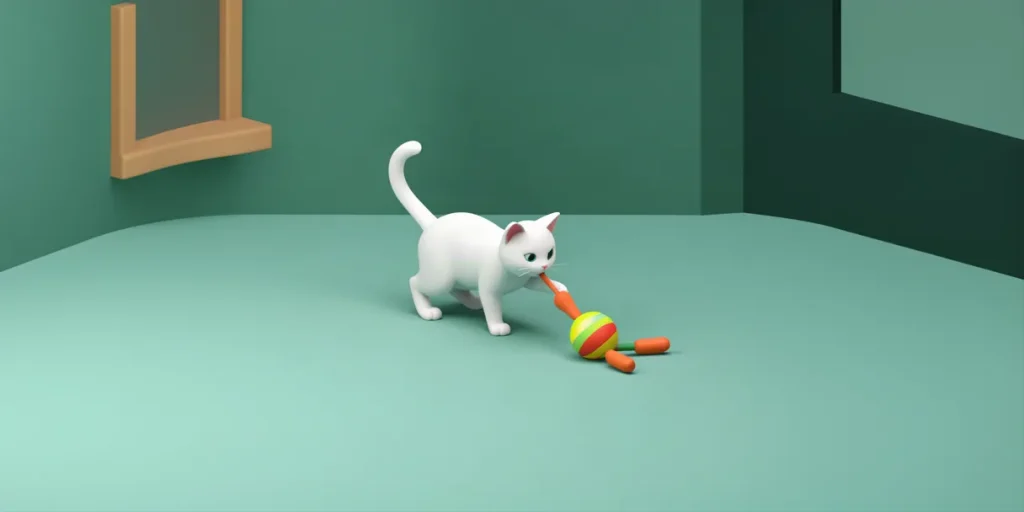
Socializing domestic cats is an important aspect of their upbringing that is often underestimated by owners. Proper interaction with the surrounding world helps pets become confident and calm, which in turn makes life with them more harmonious. But what methods and approaches really work? In this article, we will share useful tips on socializing domestic cats that will help you create a comfortable atmosphere for your furry friend.
Understanding the needs and behavior of cats is key to successful socialization. Each kitten is unique, and its reaction to new experiences can vary. We will explore what is important to know about the socialization process to help your pet adapt to new conditions and become more open to communication with people and other animals. By following our recommendations, you will not only improve your cat’s quality of life but also strengthen mutual understanding in your home.
The Importance of Socialization for Cats
Socializing domestic cats plays a key role in their comfort and emotional well-being. From an early age, when kittens discover the world, it is important to help them build trust in people and their environment. Petting a kitten on the head and back, as well as spending time with it to create positive associations, fosters confidence. This approach helps avoid stress and anxiety that may arise in the future when interacting with people or other animals.
Behavioral problems, such as aggression, fearfulness, or insecurity, often develop during the socialization period. If a kitten does not receive adequate attention and is not taught the proper behavior in society, it may become withdrawn or, conversely, display aggression. Gradually getting used to various sounds, smells, and people helps avoid undesirable habits. It is important to understand that socialization is not a one-time event but a continuous process that requires patience and sensitivity.
Improving a cat’s quality of life is another important aspect of socialization. A socially adapted cat feels more comfortable and relaxed at home. It copes better with changes in the environment, such as moving or the arrival of new family members. Furthermore, well-socialized cats are more likely to exhibit playfulness and curiosity, which positively impacts their health. Tactile contact and active play with their owners not only strengthen the bond between pet and person but also promote physical activity, which is an essential element of maintaining health.
By following simple socialization tips, you can ensure your pet a happy and harmonious life. Remember that every cat is unique, and the approach to socialization should be individualized, taking into account its character and needs.
Early Start to Socialization
Starting socialization early is a key stage in a kitten’s life and plays an important role in forming its confidence and calmness. The optimal age to begin this process is before 12 weeks. During this period, kittens are most receptive to new experiences and adapt more easily to changes in their environment. The earlier you start introducing your pet to various external stimuli, the less likely it is that it will grow up fearful or aggressive.
The first step in socialization involves gradually introducing the kitten to new people and other animals. This can be done by inviting friends and acquaintances to your home to meet your pet. It is important to observe the kitten’s reaction and not pressure it, allowing it to approach and sniff new acquaintances on its own. You should also pay attention to how family members interact with the kitten; for example, teach children to pet it gently, starting from the head and back, and avoiding sensitive areas such as the belly and tail.
Creating a safe and comfortable environment is another important aspect of socialization. Ensure that the space where the kitten is located is free from potentially hazardous items and places where it could get stuck. This will help it feel secure and confident. Comfortable hiding spots and toys will also help the kitten better adapt to new conditions. Remember that every new acquaintance should be a positive experience, so don’t forget to praise the kitten and reward it for its courage.
Keep in mind that socialization is a long-term process that requires patience and sensitivity. Regular interaction with the environment and people will help your kitten grow into a socially adapted and confident pet.
Tactile Contact and Interaction
Tactile contact and interaction play a key role in socializing domestic cats. Regular petting and play help strengthen the bond between the pet and its owner. When touching the cat, it is important to do this gently and respect its personal space. To start, it is best to pet the cat on the head and back, avoiding sudden movements and touching the belly and tail, which may cause discomfort or fear.
Children who interact with cats should be taught how to properly pet their new furry friends. For example, they should learn to start petting from the head and then smoothly move to the back. It is also important that children do not touch the cat while it is eating, as this can cause stress and lead to negative behavior.
Gradual touching of different parts of the cat’s body helps it get used to human contact. This is especially important for kittens, which may be less confident. Make sure to observe the cat’s reaction during interactions: if it is tense or trying to leave, it is better to step back and try again later. Tactile contact should be pleasant and comfortable for your pet, so it begins to trust people and feel safe.
Additionally, avoid loud noises and sudden movements that may frighten the cat. Constant attention to its reactions and moods will allow you to create a trusting atmosphere. Over time, through regular and positive interactions, your cat will become more socialized, confident, and friendly.
Socialization Through Play
Socializing domestic cats through play is an important aspect that contributes to the formation of trusting relationships between the pet and its owner. Interactive toys play a key role in this process. They help create positive associations by allowing the cat to link play with enjoyment and interaction. Using toys such as balls, laser pointers, or feather toys activates natural hunting instincts while simultaneously strengthening the bond with the owner. In this way, while playing, the cat not only entertains itself but also learns to interact with humans, which is an important part of its socialization.
To ensure that your cat feels comfortable and relaxed during play, it is important to pay attention to the gaming process. The play should be both physical and emotional. Provide your pet the opportunity to explore the toys, not just chase them. This helps build confidence and fosters trusting relationships. The cat should understand that its play involves more than just catching objects; it includes interacting with you, which in turn creates an atmosphere of safety and comfort.
Regular play sessions are another key element of socialization. Continuous interaction through play strengthens the bond between the cat and its owner, significantly reducing the pet’s stress levels. The more time you spend together, the faster the cat becomes accustomed to your presence and is more open to communication. It is important to remember that each session should be short but frequent, to avoid tiring the cat or causing it to lose interest in playing.
Thus, socialization through play is not only a way to entertain your pet but also an important process that helps shape its confidence, trust, and comfort in communicating with people. Remember that each play session is an opportunity to strengthen your bond and create harmonious relationships with your four-legged friend.
Training and Upbringing
Training and upbringing of domestic cats are important aspects that help create harmonious relationships between the pet and its owners. One of the key methods that have proven effective in the training process is positive reinforcement. This means that for every correct behavior of the cat, it should be rewarded, whether it is a treat, affection, or play. For example, if the cat responds to the command “come here” or performs another simple command, praise and a treat will help it associate these actions with positive emotions. Gradually, through this method, you can teach the cat basic commands, which will make communication with it easier.
It is also important to teach children the proper way to interact with cats. Children need to understand how to pet and interact with the pet to avoid causing it discomfort. For example, explain to them that they should pet the cat on the head and back while avoiding sensitive areas like the belly and tail. Additionally, it is necessary to teach children to respect the cat’s personal space and not disturb it during meals or rest. This will help avoid stress for the animal and instill correct handling skills in children.
Establishing routines also plays a significant role in the socialization of cats. Cats are creatures that value predictability and order. Regular feeding times, play, and interaction will help the pet feel confident and calm. For example, if you play with the cat or groom it at the same time every day, it will begin to associate that time with positive emotions, which in turn will facilitate its socialization and adaptation within the family.
Thus, through positive reinforcement, teaching children, and establishing a predictable routine, you can significantly improve the socialization process of domestic cats, ultimately leading to a more harmonious life with your pet.
Socialization in Multi-Pet Households
Socializing domestic cats in multi-pet households requires a special approach and attentiveness. When introducing new pets into an existing family, it is important to do so gradually to minimize stress for both the newcomer and the existing animals. Initial meetings should be organized in a neutral area where neither animal will feel territorial. These meetings should be monitored, allowing each pet to adapt to the new environment at its own pace.
Observing the reactions of existing animals plays a key role in the socialization process. Each animal has its own behavior patterns, and it is important to understand how they react to the new family member. If older pets show aggression or fear, they need time to adjust. Gradual exposure to the new animal, such as through scent exchanges or short visual contacts, can help reduce tension. If a cat or dog shows interest in the newcomer, encourage this behavior by rewarding them with treats or attention.
Creating safe zones for each animal is also an important aspect of socialization. Each animal should have its own space where it can retreat and feel safe. This could be a separate room or a secluded corner with favorite toys and a resting place. Such zones will help avoid conflicts and reduce stress levels. In addition, having their own spots will help pets feel more comfortable and confident, which in turn promotes more harmonious coexistence.
In conclusion, socializing domestic cats in multi-pet households requires patience and understanding. It is important to remember that each animal is unique, and its reaction to changes may vary. By caring for the well-being of all pets, you will create a cozy and harmonious atmosphere in your home where everyone can feel happy and secure.
Problems Arising from Insufficient Socialization
Insufficient socialization can lead to serious problems in cats that negatively affect their behavior and emotional state. The first and most noticeable issue is fear and aggression towards people and other animals. Cats that have not had sufficient contact with the outside world in early age may perceive people and other animals as threats. This can manifest as aggressive behavior, where the cat begins to hiss, growl, or even attack in situations that are completely safe for other animals. Such stress may also lead the cat to avoid social interaction, hide, and behave extremely cautiously.
In addition, increased anxiety and stress are another serious problem arising from insufficient socialization. Cats that are not accustomed to various sounds, smells, and situations may experience constant worry. This can manifest as excessive restlessness, scratching furniture, attempts to escape, or even in undesirable habits such as excessive grooming or self-biting. These signs may not only be a result of stress but can also lead to physical problems such as dermatitis or other skin diseases.
Development of undesirable habits is also often associated with a lack of socialization. Cats that are not used to regular interaction with people and other pets may begin to behave aggressively towards their surroundings, scratching or biting. Additionally, they may develop habits that can be problematic for their owners, such as nighttime activity or destructive behavior. This can lead to conflicts in the home and decrease the quality of life for both the cat and its owners.
Thus, socializing domestic cats is an important aspect of their upbringing and health. Owners should pay attention to this process from an early age to avoid the formation of negative habits and ensure their pets a comfortable existence in society.
Tips for Socializing Adult Cats
Socializing adult cats can be a more challenging task than working with kittens; however, it is no less important of a process. Gradually getting used to new conditions and people will help your cat feel more comfortable and confident in the surrounding world. Start by creating a safe space where your cat can explore the new environment at its own pace. Ensure that all new items and people do not cause it stress. Allow it to approach new objects and people on its own without forcing it.
Using treats and positive associations is an excellent way to make the socialization process more enjoyable. Every time your cat shows interest in a new person or object, reward it with a treat. This will help it associate new experiences with positive emotions. Toys can also be used to attract attention and create associations with play and fun, improving mood and social confidence.
It is important to be patient and understanding of your cat’s individual characteristics. Each animal is unique and has its own preferences and boundaries. If your cat is not ready to accept new conditions or people, give it time to adapt. Remember that too rapid or aggressive intervention may only exacerbate its fears and stresses. Respect its space, allowing it to approach you when it is ready.
Socialization is not a one-time process; it is ongoing work that requires attention and sensitivity. Observe your cat’s behavior to better understand its needs and preferences. Spending time together, playing, and communicating in a calm environment will help build trust and strengthen your bond. Remember that success in socialization depends on your patience and your willingness to adapt to your pet’s needs.
Frequently Asked Questions
When should I start socializing my kitten?
How should I pet a cat correctly?
What should I do if my cat is afraid of people?
Key Takeaways
- Socialization is critically important for a cat’s confidence.
- Starting socialization early leads to better behavior.
- Tactile contact and play strengthen the bond between cat and human.
Sources
purina.ru, cat-vet.ru, arletta-british.ru, kusochekschastya.ru, royalcanin.com